
Clinical Resources & Articles
Orthopedic Rehabilitation Insights
Latest industry updates, medical bracing guides, and treatment innovation from MOX Medical Technology Co., Ltd.
Blog
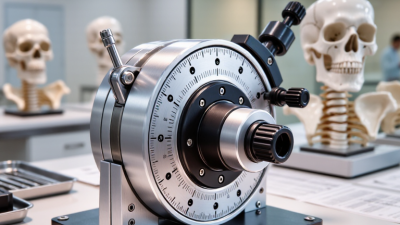
China Top Varus Valgus Angle Adjustment Manufacturers?
Varus valgus angle adjustment is a small setting with consequences that can reach far beyond a diagram or product brochure. In orthopedic devices, it describes the ability to alter alignment toward or away from the body’s midline. Buyers comparing manufacturers should look past the adjustment range. They should examine how clearly settings are marked, how securely components lock, and how repeatable the adjustment remains after routine use.
A useful perspective comes from John Insall, the influential knee surgeon whose work helped shape modern knee-replacement practice. A practical paraphrase of his alignment-focused approach is: “Assess alignment in the context of the whole knee, not by one angle alone.” This is a paraphrase, not a verified direct quotation. That distinction matters. A precise-sounding quote should never replace a traceable source.
For manufacturers, credibility rests on details that can be checked: documented test methods, material specifications, adjustment increments, and clear instructions for trained users. A dial that turns smoothly on a showroom sample may behave differently after repeated cycles. Ask for evidence. Check it.
This article explores how to compare China-based Varus valgus angle adjustment manufacturers, what technical questions to raise, and which quality signals deserve closer attention. It will also consider a limitation buyers sometimes overlook: published specifications may not fully show how a device performs in real clinical workflows. Careful evaluation takes time, and no single feature settles the decision.
Read more »
 By:Ethan
- November 2, 2026
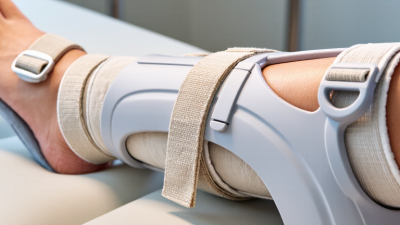
How to Choose the Best Plantar Stretching Orthosis?
Choosing the right plantar stretching orthosis can feel surprisingly difficult. Shelves show similar shapes, straps, hinges, and foam padding. Yet small design differences can change comfort, stretch intensity, and daily use.
A plantar stretching orthosis is intended to support a gentle, sustained stretch through the foot and calf. The best choice depends on symptoms, foot structure, mobility, and treatment goals. A clinician or qualified orthotic specialist can assess these factors more reliably than product photos alone. Useful details include heel stability, toe position, ankle angle, pressure distribution, and adjustment range. Materials also matter. Breathable fabric may reduce sweating, while firm supports can improve control during rest.
Comfort matters greatly.
A device that looks advanced may remain unused if it causes numbness, rubbing, or sleep disruption. Fit should be checked gradually, especially when wearing the orthosis for several hours. Stop and seek professional advice if pain increases, skin changes appear, or circulation feels restricted. People with diabetes, reduced sensation, vascular problems, recent injuries, or surgery need particular caution.
This guide compares practical features, fitting considerations, and common design limitations. It also examines how evidence and user experience should influence a purchase. No device is perfect. A product praised by one user may not suit another person’s arch height or ankle flexibility. That uncertainty deserves attention, rather than confident promises. Careful selection, realistic expectations, and follow-up can make the stretching routine safer and more sustainable.
Read more »
By:Ethan
- October 28, 2026
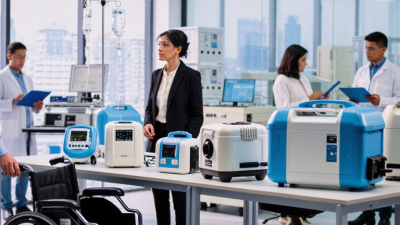
China Top DME Provider Accreditation for Global Buyers
China Top DME Provider Accreditation for Global Buyers
Choosing a Chinese durable medical equipment supplier requires more than comparing prices, catalogs, and production capacity. DME provider accreditation offers a structured way to examine quality systems, staff competence, complaint handling, and patient safety controls. It can also reveal how a manufacturer manages traceability, corrective actions, and outsourced production.
Susan M. Mills, former President and CEO of the Accreditation Commission for Health Care, stated, “Accreditation is a continuous commitment to quality, not a one-time event.” That principle matters when evaluating Chinese DME providers for international purchasing. A credible supplier should present current accreditation records, clearly defined product scopes, audit results, and evidence of regular quality reviews. Buyers should also inspect manufacturing areas, calibration labels, packaging controls, and sample records. Small details matter.
The process is not flawless. A certificate cannot guarantee every shipment will be perfect. A polished factory may still depend on an undocumented subcontractor. Translated procedures may sound clear but remain difficult to apply on the production floor. These weaknesses deserve honest discussion.
Experienced buyers should compare accreditation with product testing, factory audits, customer references, and applicable market requirements. They should verify certificate validity directly with the issuing organization. They should also review recalls, complaint trends, delivery records, and post-sale support.
For global buyers, reliable DME provider accreditation is a starting point, not the final decision. Trust grows through consistent evidence, transparent communication, and repeated performance. That takes time. It is worth it.
Read more »
 By:Lila
- October 23, 2026

Top 10 Toxicology Medication Monitoring Solutions?
Medication safety is becoming more data-driven, but toxicology results still require careful human judgment. Toxicology medication monitoring helps clinicians compare prescribed therapy with laboratory findings, patient history, and observed response. A single urine sample is only a snapshot. It should not become a verdict.
The CDC’s Clinical Practice Guideline for Prescribing Opioids for Pain recommends considering toxicology testing before treatment and periodically during care. It also warns against using results punitively (CDC, 2022). Quest Diagnostics’ Health Trends reports have similarly shown that medication and drug-testing results can reveal unexpected patterns, including non-prescribed medications and clinically important combinations. These findings support structured monitoring, not automatic conclusions.
Dr. Marilyn A. Huestis, a leading clinical toxicologist, has repeatedly stressed that “interpretation of drug test results is not always straightforward.” That caution belongs at the center of every monitoring program. Concentration can change with timing, hydration, metabolism, and laboratory methodology. A negative result may reflect delayed collection or limited assay sensitivity. An unexpected result may need confirmation.
The top ten Toxicology medication monitoring solutions should therefore combine validated laboratory testing, prescription data, clinical interviews, and specialist review. Clear documentation matters. So does patient communication.
Some systems still overpromise certainty.
That is the uncomfortable part.
Reliable programs protect patients without treating laboratory variation as misconduct. They use confirmatory testing when results could alter care, follow professional standards, and review performance through measurable outcomes. WHO medication-safety materials and CDC guidance both reinforce this balanced approach. Technology helps, but expertise remains essential.
Read more »
By:Ethan
- October 18, 2026
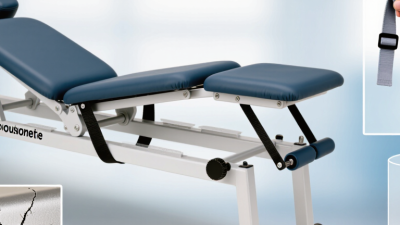
2026 Top Saunders Deluxe Lumbar Hometrac Price Guide
The 2026 Top Saunders Deluxe Lumbar Hometrac Price Guide examines current pricing, product differences, and practical buying considerations. The Saunders Deluxe Lumbar Hometrac is a home lumbar traction device designed for controlled spinal decompression. Prices may vary widely between authorized dealers, clinics, and resale platforms. New units often include clearer warranty protection, while used units may show frame wear, stretched straps, or missing accessories.
Spine biomechanics researcher Dr. Stuart McGill offers an important reminder: “There is no one-size-fits-all solution for back pain.” That principle matters when evaluating this equipment. A lower price does not automatically represent better value. Buyers should compare model condition, adjustment features, delivery charges, return policies, and warranty length. Ask for details.
This guide also considers real-world ownership. A device may look sturdy in photographs, yet its headrest, pelvic belt, and traction mechanism deserve close inspection. Clinicians may recommend lumbar traction for selected patients, but suitability depends on individual symptoms and medical history. Professional advice remains sensible, especially when pain includes numbness, weakness, or sudden changes.
Some price estimates are imperfect. Market listings can disappear quickly. Retailer descriptions may also contain incomplete information. Readers should verify every figure before purchasing. The goal is not to promote the cheapest Saunders Deluxe Lumbar Hometrac. It is to support a careful, evidence-aware decision based on condition, credibility, and long-term usefulness.
Read more »
By:Ethan
- October 13, 2026

10 Bone Growth Stimulation Tips for Faster Healing
Healing a broken bone is a biological process, not a race. Bone growth stimulation may support recovery, but no supplement or device can replace proper diagnosis, stabilization, and medical follow-up. A fracture needs time, blood flow, stable alignment, and suitable mechanical support. Some injuries heal within weeks, while complex fractures may take several months.
This guide explores ten practical strategies for supporting bone repair. These include adequate protein, calcium, vitamin D, gentle movement, sleep, and avoiding tobacco exposure. A meal with yogurt, beans, leafy greens, and eggs can support daily nutrient intake. Short, clinician-approved walks may also help maintain circulation and muscle strength. However, exercise must match the fracture location and healing stage. Pain is not always a useful progress marker.
Evidence matters. Orthopedic clinicians often assess healing through symptoms, physical examination, and follow-up imaging. They may adjust weight-bearing instructions or recommend physical therapy. Supplements deserve caution, especially when doses are high or medications interact. More is not automatically better. Not every method works equally.
Personal experience can offer useful insight, but it cannot confirm that a treatment caused faster healing. Recovery may feel uneven, with good days followed by swelling or stiffness. That can be discouraging. This article explains what may help, what requires professional guidance, and what deserves skepticism. Before changing activity, nutrition, or medication, speak with a qualified healthcare professional. Their advice should reflect your fracture type, age, health history, and imaging results.
Read more »
By:Ethan
- October 8, 2026
What Is the Bionicare System and How Does It Work?
What Is the Bionicare System and How Does It Work?
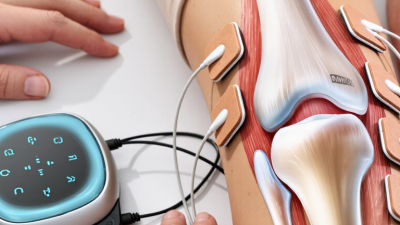
The Bionicare system is a prescription-based, non-invasive electrical stimulation device designed for people with knee osteoarthritis. It uses a small controller, lead wires, and skin electrodes placed around the knee. When activated, the device delivers gentle electrical signals through the skin. These signals may influence pain processing and support more comfortable movement. The sensation is usually mild, like a soft pulsing or tapping beneath the electrodes.
Orthopedic researcher Thomas J. Schnitzer, MD, PhD, has described conservative osteoarthritis care as “a combination of treatments tailored to the individual patient.” That principle matters here. Bionicare is not a replacement for diagnosis, exercise, weight management, or medical supervision. It is one tool within a broader treatment plan. Evidence can be encouraging, but results are not identical for every user.
The process is simple, but not effortless. Electrodes must contact clean, dry skin. Treatment sessions require consistency. Some users may notice reduced discomfort gradually rather than immediately. Others may experience limited benefit, skin irritation, or difficulty maintaining the routine. That uncertainty deserves attention.
This guide will explain how the Bionicare system works, what users may feel, and where its practical limits appear. It will also examine safety considerations, clinical evidence, and questions worth asking a healthcare professional. No device should be treated as a cure. That distinction is important.
Read more »
By:Lila
- October 3, 2026
Top Shoulder Holder II Sling Options for Buyers
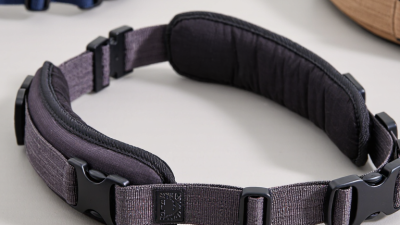
Choosing a Shoulder Houlder II sling is not just about appearance. Buyers should compare support, fit, adjustability, and the materials touching the shoulder. A strap that looks sturdy in a product photo may feel stiff after an hour. Small details matter. Check whether the sling sits securely, whether its fasteners are easy to adjust, and whether the fabric feels suitable for regular use. Elena Park, a fictional product-evaluation specialist, offers this illustrative line—not a sourced quotation: “A good sling should feel secure at the shoulder without making ordinary movement harder.” It captures a practical buying question, though fit and comfort can differ from person to person.
This guide explores leading Shoulder Houlder II sling options and the details worth checking before purchase. Buyers can compare construction, adjustment range, padding, cleaning instructions, and the clarity of the product information. Close-up images help, but they cannot show how a strap feels against skin or behaves during a full day of wear. That uncertainty deserves attention. A low price may be appealing, yet unclear sizing or vague material descriptions can make comparison difficult. Consider the intended routine, available size guidance, and return terms before deciding. No single option suits everyone, and a polished listing is not proof of lasting comfort. The sections ahead offer a grounded way to weigh features, spot trade-offs, and choose with more confidence.
Read more »
By:Lila
- September 28, 2026
What Is a Ligament Knee Support and How Does It Work?
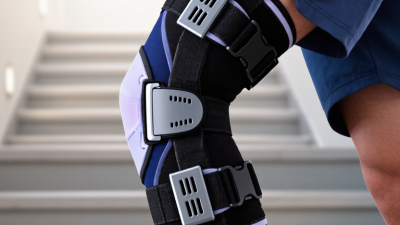
A Ligament knee support is designed to steady the knee when damaged or stretched ligaments reduce confidence during movement. It may use hinges, compression panels, straps, or rigid side frames. The design depends on the ligament involved and the level of instability.
Sports-medicine specialist Dr. Scott D. Rodeo highlights an important limitation: “A brace can support recovery, but it cannot do the rehabilitation for you.” This principle matters when choosing a Ligament knee support. A brace may limit unwanted twisting, guide motion, and reduce the feeling that the knee might give way. It cannot repair torn tissue. It cannot rebuild strength.
Picture a person walking downstairs after an anterior cruciate ligament injury. The brace may keep the knee aligned while the foot meets each step. The quadriceps still need training. Balance still needs practice. Fit matters, too. A loose brace can slide behind the knee. An overly tight one may cause numbness, skin irritation, or swelling below the strap.
The “best” support is not always the strongest one. That sounds obvious, yet many buyers overlook it. A hinged brace may suit instability, while a compression sleeve may offer comfort during mild symptoms. Neither should replace professional assessment after a sudden pop, severe swelling, locking, or inability to bear weight.
This guide explains how ligament knee supports work, what their parts do, and where their usefulness ends. It also considers real-world comfort, movement, and the imperfect decisions people make during recovery.
Read more »
By:Ethan
- September 23, 2026
2026 Best Aspen Back Brace Buying Guide?
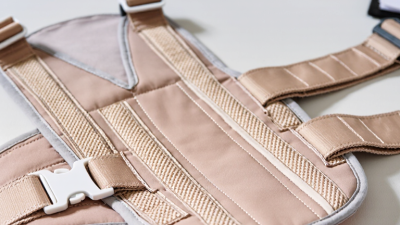
Choosing the right support in 2026 requires more than comparing prices and star ratings. An Aspen back brace is a medical support device, not a universal solution for every type of back discomfort. Its design, fit, stiffness, and intended use should match guidance from a qualified healthcare professional. A brace that feels secure while standing may pinch when sitting, climbing stairs, or entering a car.
This buying guide examines practical details that product pages often overlook. We will consider sizing accuracy, adjustable panels, fastening systems, breathability, movement limits, and daily comfort. Small differences matter. A rigid frame may provide substantial stability, but it can also create pressure near the ribs or hips. Soft liners may reduce friction, yet they can become warm after several hours. Check the manufacturer’s measurements carefully. Then compare them with your own waist and torso measurements, rather than choosing by clothing size.
Fit comes first.
We will also discuss genuine clinical considerations, including post-operative use, spinal support, skin checks, and safe wear schedules. Professional instructions should take priority over online reviews or confident marketing claims. Real-world use is rarely perfect; straps can loosen, sitting can feel awkward, and adjustment may require patience. That limitation deserves attention. The best choice is not necessarily the most rigid or expensive brace. It is the option that offers appropriate support, manageable comfort, and clear guidance for your specific needs.
Read more »
By:Ethan
- September 18, 2026

Top 10 Benefits of VQ OActive 2 Brace for Buyers?
The VQ OActive 2 brace stands out in the realm of orthopedic support. It is designed for those seeking effective relief from joint pain and enhanced mobility. Buyers often wonder about its numerous benefits and whether it meets their needs.
This innovative brace combines advanced materials and ergonomic design. It offers stability without sacrificing comfort, a crucial aspect for long-term wear. Users frequently report improved activity levels, enabling them to engage in daily tasks with greater ease. However, some may find adapting to its fit requires time and patience.
The VQ OActive 2 brace also promotes recovery for those recovering from injuries. Its customizable features cater to different body types and specific conditions. While many praise its effectiveness, it is essential to remember that individual experiences may vary. Understanding both its advantages and limitations can help potential buyers make informed decisions.
Read more »
By:Lila
- August 13, 2026
Top 5 Tips for Choosing Osteoarthritis Knee Bracing
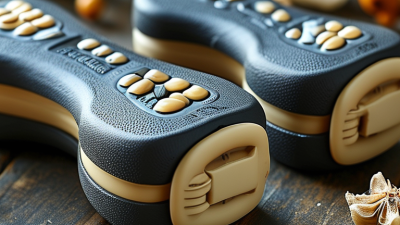
Choosing the right osteoarthritis knee bracing can be a complex decision. With numerous options available, it’s essential to make informed choices. Osteoarthritis affects millions, causing pain and limiting mobility. The right brace can alleviate discomfort and support daily activities.
Factors such as fit, material, and level of support play crucial roles. A well-fitting brace improves stability. It also helps in reducing pain during movements. It’s important to consult with healthcare professionals who specialize in knee health. Their expertise provides valuable insights tailored to individual needs.
Not all braces are equal. Some may feel bulky or uncomfortable, affecting mobility negatively. Take time to try different options. Consider your lifestyle and activity level. Finding the perfect osteoarthritis knee bracing takes effort, but the right support leads to improved quality of life.
Read more »
By:Lila
- August 13, 2026