
Executive Summary & Procurement Briefing
Osteoarthritis (OA) affects over 300 million adults globally, imposing a massive burden on clinical health networks. The Bionicare System represents a fundamental departure from superficial symptom masking (such as TENS or pain medications) by delivering low-level, continuous bioelectric signals engineered to stimulate chondrocyte proliferation and proteoglycan synthesis.
- Distinct Mechanism of Action: Operates at sub-sensory thresholds (low voltage pulsed electrical fields) to mimic the body's physiological endogenous electrical potential across damaged joint tissue.
- Clinical Efficacy: Multiple randomized controlled trials demonstrate significant pain reduction, morning stiffness mitigation, and measurable functional improvement, delaying total knee arthroplasty (TKA).
- Dual-Action Biomechanical Synergy: Integrating the Bionicare System with biomechanical unloader braces (e.g., VQ OActive 2) yields superior patient outcomes by simultaneously relieving mechanical joint compression and stimulating biological cellular repair.
- Enterprise Operational Support: MOX Medical Technology Co., Ltd. backs clinical deployment with a 20+ year patient-centered business model, featuring 24/7 telephone support, in-home fitting by certified technicians, payor credentialing, and integrated DME toxicology programs.
1. The Biological Paradigm Shift: Bioelectric Signal Modulation vs. Conventional Electrotherapy
For decades, orthopedic non-invasive electrotherapy was dominated by Transcutaneous Electrical Nerve Stimulation (TENS) and Neuromuscular Electrical Stimulation (NMES). While TENS provides transient pain relief via high-frequency gate-control theory and NMES induces macro-muscle contractions, neither modality addresses the underlying degenerative extracellular matrix breakdown of osteoarthritic cartilage.
The Bionicare System shifts the paradigm from neuro-sensory stimulation to cellular bioelectric signal modulation. Articular cartilage in a healthy human joint maintains a specific endogenous electrical streaming potential during weight-bearing activities. When joint wear occurs, this physiological micro-voltage collapses, leading to chondrocyte senescence and accelerated breakdown of type II collagen and proteoglycans.
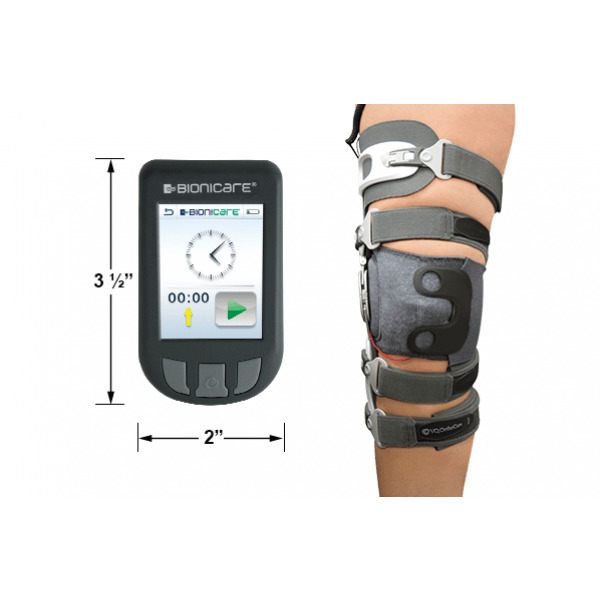
By delivering a precise, continuous sub-sensory monophasic wave signal through specialized conductive knee wraps, the Bionicare System re-establishes the homeostatic electrical potential within the joint space. Scientific studies demonstrate that this continuous signal:
- Upregulates Transforming Growth Factor-Beta (TGF-β1): Stimulates chondrocytes to synthesize extracellular matrix components, including proteoglycans and aggrecan.
- Opens Voltage-Gated Calcium Channels (VGCC): Facilitates intracellular signaling cascades that inhibit pro-inflammatory cytokines such as Interleukin-1 beta (IL-1β) and Matrix Metalloproteinases (MMPs).
- Restores Hyaline Cartilage Micro-Environment: Enhances fluid retention and viscoelastic properties of the synovial space over multi-week therapeutic protocols.
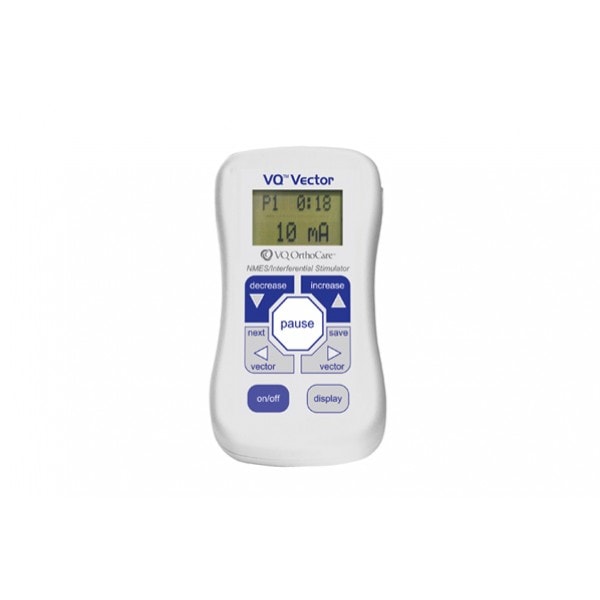
2. Dual-Action Protocol: Combining Bioelectric Signals with Biomechanical Joint Unloading
Clinical consensus in orthopedic sports medicine and physical physical medicine & rehabilitation (PM&R) highlights that structural degeneration is dual-faceted: mechanical overload combined with biological tissue breakdown. Treating one without the other frequently leads to treatment failure or early surgical intervention.
MOX Medical Technology Co., Ltd. advocates a comprehensive Dual-Action Rehabilitation Protocol. By pairing the bioelectric repair mechanism of the Bionicare System with precision biomechanical unloader knee bracing (such as the VQ OActive 2 or Catalyst Elite series), clinicians achieve a compound therapeutic response.
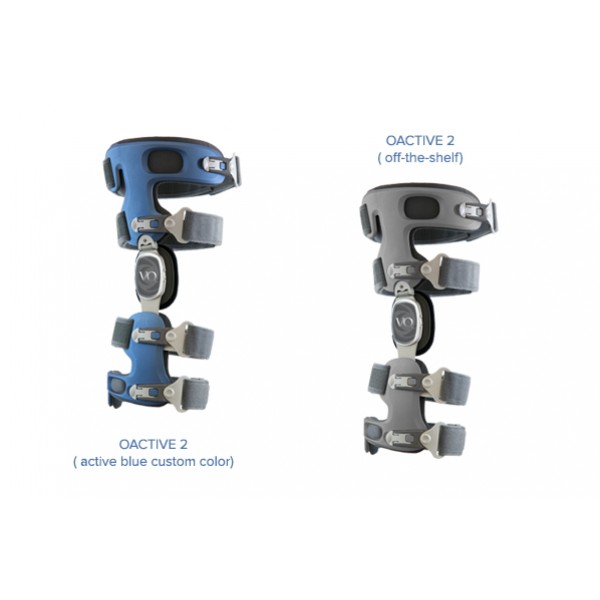
When a patient presents with unicompartmental osteoarthritic degradation (varus or valgus deformity), the VQ OActive 2 applies a gentle, adjustable dynamic load reduction across the damaged joint space. Simultaneously, the Bionicare System delivers deep-tissue bioelectric current. Key clinical benefits of this integrated approach include:
- Immediate Mechanical Decompression: Reduces contact stress on vulnerable articular surfaces during stance phase, eliminating immediate mechanical pain.
- Enhanced Signal Penetration: Decompressing the joint space reduces tissue density, allowing uniform distribution of the Bionicare electrical field across cartilage margins.
- Accelerated Functional Recovery: Patients report significantly higher compliance rates when pain relief is immediate (via bracing) and long-term joint function is sustained (via bioelectric signal therapy).
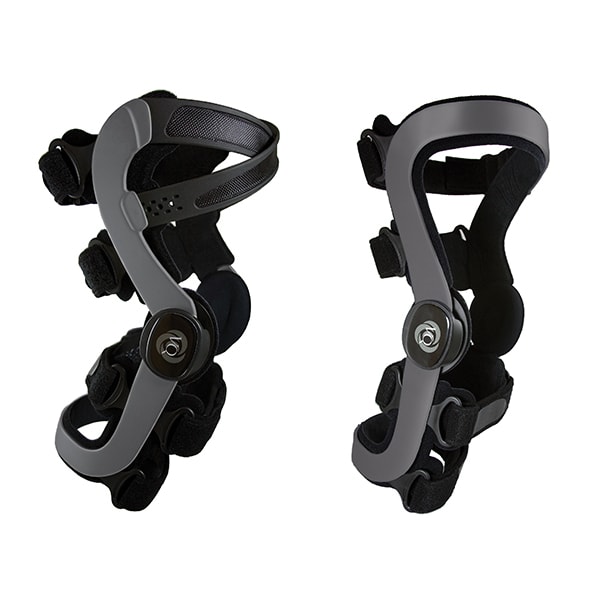
3. Comparative Technology & Clinical Efficacy Matrix
To assist clinical buyers, healthcare procurement managers, and DME directors in evaluating non-invasive knee interventions, the following matrix compares the core scientific, operational, and clinical parameters of available technologies.
| Therapeutic Modality | Primary Biological Mechanism | Cartilage Matrix Impact | Therapeutic Threshold | Long-Term Outcome | DME Billing & Reimbursement |
|---|---|---|---|---|---|
| Bionicare System | Sub-sensory bioelectric field signal re-establishing endogenous joint micro-potential | Direct Proliferation (Stimulates chondrocyte TGF-β1 & proteoglycans) | Sub-sensory (No muscular twitch or skin tingling) | Delay/Avoidance of Total Knee Arthroplasty (TKA); sustained joint function | Covered under specific DME bioelectric stimulation codes |
| Conventional TENS | High-frequency sensory nerve stimulation (Gate Control Theory) | None (Superficial sensory pain masking only) | Sensory (Paresthesia / tingling sensation required) | Temporary relief; symptoms return immediately upon signal cessation | Standard TENS DME categories |
| NMES (Muscle Stim) | Motor nerve depolarization inducing muscle contractions | Indirect (Quadriceps strengthening support) | Motor (Visible, forceful muscular contractions) | Atrophy prevention post-surgery | Rehabilitation NMES coverage |
| Unloader Bracing (VQ OActive 2) | 3-point mechanical leverage shifting compartment load | Protective (Prevents further mechanical attrition) | Biomechanical physical load displacement | Immediate pain-free ambulation; structural preservation | Established OA Knee Brace HCPCS codes |
| Hyaluronic Acid (HA) Injections | Exogenous viscoelastic lubrication of synovial fluid | Symptomatic (Temporary joint shock absorption) | Invasive intra-articular injection procedure | Transient 3–6 month relief; repeated clinical visits required | Pharmaceutical / Specialty Care medical benefit |
4. Broadening the Non-Invasive Orthopedic Continuum
Osteoarthritis rarely occurs in complete isolation. Clinical patient populations presenting with lower extremity degenerative joint disease frequently experience secondary spinal alignment compensation, muscle imbalances, or micro-fractures of the subchondral bone.
MOX Medical Technology Co., Ltd. maintains a holistic orthopedic rehabilitation portfolio, enabling hospital networks, orthopedic surgical groups, and physical therapy practices to source fully integrated care pathways from a single, trusted manufacturer and distributor.
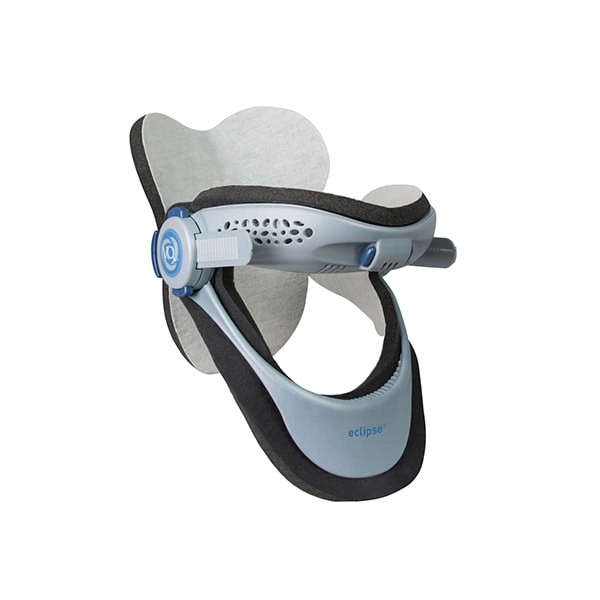
Holistic Rehabilitation Ecosystem: Spinal & Bone Healing Synergy
Combining lower extremity joint bioelectric therapy with lumbar support stabilization reduces pelvic tilt compensations, improving gait kinematics and long-term treatment compliance for severe OA patients.
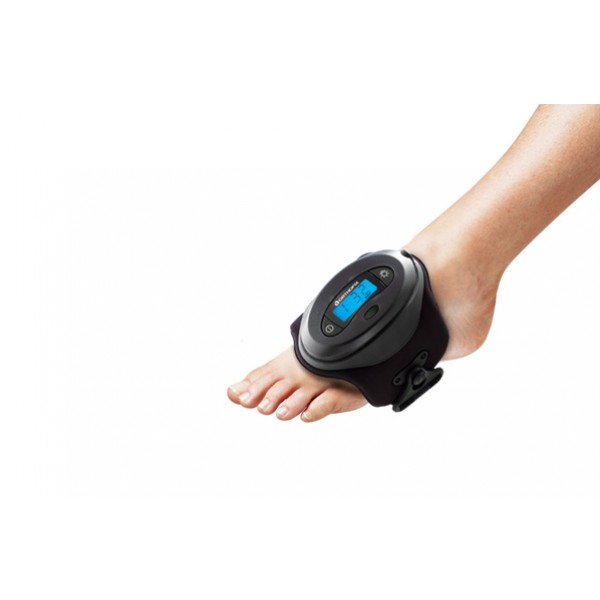
Furthermore, when degenerative joint disease leads to non-union bone conditions or osteonecrosis of subchondral surfaces, electrical stimulation therapies expand into dedicated osteogenesis devices. The Physiostim Bone Growth Stimulator utilizes pulsed electromagnetic field (PEMF) technology to trigger osteoblast synthesis in non-union fractures, complementing the cartilage-focused bioelectric signals of the Bionicare System.
5. Corporate Advantages & The MOX Medical Patient-Centered Model
Deploying advanced medical devices into clinical practice requires far more than physical product delivery. Seamless integration hinges on clinical training, patient compliance tracking, payor navigation, and accredited administrative oversight.
With over 20 years of ancillary healthcare expertise, MOX Medical Technology Co., Ltd. has pioneered a patient-centered service model engineered to maximize clinical outcomes while reducing operational burdens for healthcare providers.

Core Pillars of the MOX Medical Support Ecosystem:
- 24/7 Telephone Support: Patients utilizing the Bionicare System or custom orthopedic bracing have continuous round-the-clock telephone access to experienced clinical support specialists, ensuring proper device operation and troubleshooting.
- In-Home Fitting & Clinical Instruction: Certified orthopedic technicians deliver products directly to the patient’s home or clinical site, providing personalized fitting, varus/valgus alignment adjustment, and comprehensive instructional literature.
- Payor Relations & DME Credentialing Assistance: Navigating insurance authorization is complex. MOX Medical assists medical practices in credentialing with Medicare, PPOs, and private payor networks, opening turn-key DME revenue programs.
- Exceptional Patient Satisfaction Metrics: Continuous clinical surveys demonstrate that MOX Medical maintains one of the highest patient satisfaction ratings in the DME and orthopedic device industry.

Toxicology Services: State-of-the-art LC-MS/MS laboratory testing supporting prescription safety and compliance programs.

Provider Accreditation: Complete guidance for clinical practices securing Medicare, DME, and managed care contracts.
6. Enterprise Procurement, OEM/ODM Solutions & Global ROI Strategy
For international medical device distributors, hospital purchasing organizations, and orthopedic clinic networks, procuring bioelectric technology requires transparent supply chains, robust quality systems, and clear financial ROI.
MOX Medical Technology Co., Ltd. provides end-to-end supply chain integration. Whether sourcing finished Bionicare Systems, custom unloader bracing, or OEM manufacturing contracts, enterprise partners benefit from:
- Strict Quality Assurance (ISO 13485 & CE/FDA Standards): Every device undergoes rigorous multi-stage quality testing, batch traceability, and biological safety evaluations.
- Turn-Key Ancillary Revenue Models: By introducing non-invasive bioelectric therapy and in-office DME dispensing programs, medical practices capture legitimate ancillary revenue while lowering overall patient surgical risks.
- Reduced Total Cost of Care: By delaying or preventing expensive total joint replacement procedures, healthcare systems and accountable care organizations (ACOs) save thousands of dollars per patient episode.