
Orthopedic Rehabilitation Insights
Latest industry updates, medical bracing guides, and treatment innovation from MOX Medical Technology Co., Ltd.
How to Choose the Best Plantar Stretching Orthosis?
Table of Contents
- Understanding Plantar Stretching Orthoses and Their Purpose
- Identifying the Right Orthosis for Your Foot Condition
- Comparing Key Design Features, Materials, and Support Levels
- Checking Fit, Comfort, Adjustability, and Ease of Use
- Using and Maintaining a Plantar Stretching Orthosis Safely
- FAQS
- Conclusion
- Related Posts
Choosing the right plantar stretching orthosis can feel surprisingly difficult. Shelves show similar shapes, straps, hinges, and foam padding. Yet small design differences can change comfort, stretch intensity, and daily use.
A plantar stretching orthosis is intended to support a gentle, sustained stretch through the foot and calf. The best choice depends on symptoms, foot structure, mobility, and treatment goals. A clinician or qualified orthotic specialist can assess these factors more reliably than product photos alone. Useful details include heel stability, toe position, ankle angle, pressure distribution, and adjustment range. Materials also matter. Breathable fabric may reduce sweating, while firm supports can improve control during rest.
Comfort matters greatly.
A device that looks advanced may remain unused if it causes numbness, rubbing, or sleep disruption. Fit should be checked gradually, especially when wearing the orthosis for several hours. Stop and seek professional advice if pain increases, skin changes appear, or circulation feels restricted. People with diabetes, reduced sensation, vascular problems, recent injuries, or surgery need particular caution.
This guide compares practical features, fitting considerations, and common design limitations. It also examines how evidence and user experience should influence a purchase. No device is perfect. A product praised by one user may not suit another person’s arch height or ankle flexibility. That uncertainty deserves attention, rather than confident promises. Careful selection, realistic expectations, and follow-up can make the stretching routine safer and more sustainable.
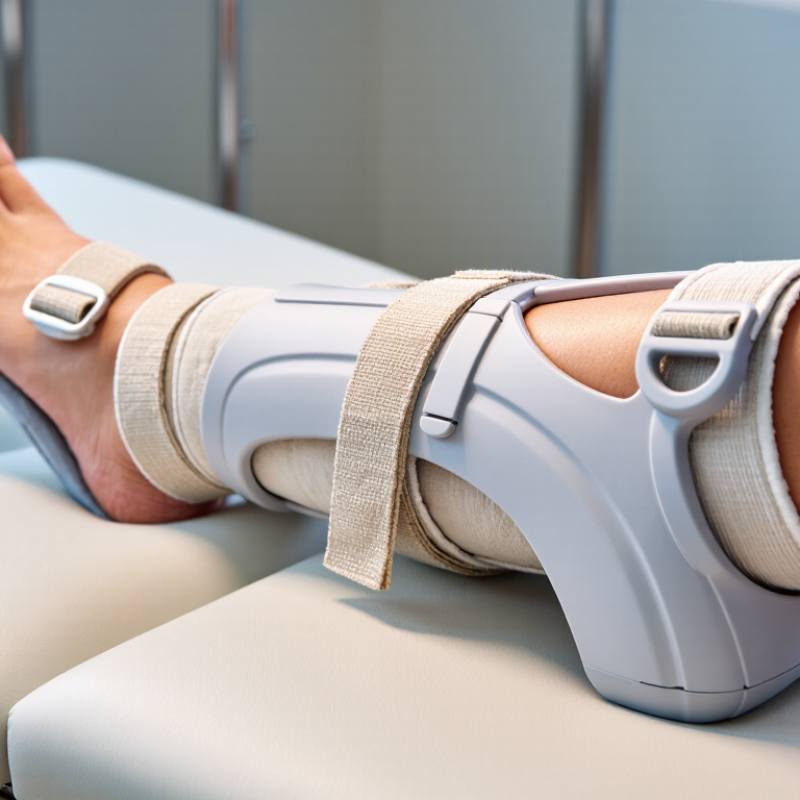
Understanding Plantar Stretching Orthoses and Their Purpose
How to Choose the Best Plantar Stretching Orthosis?
Understanding Plantar Stretching Orthoses and Their Purpose
A plantar stretching orthosis gently positions the foot and toes during rest. This position may reduce tension across the plantar fascia and calf muscles. It is often considered for morning heel pain, tight calves, or discomfort after prolonged standing. The purpose is not to force a deep stretch. A useful orthosis should provide steady support without causing numbness, sharp pain, or pressure points.
Fit matters more than appearance. The device should hold the ankle comfortably and leave enough room for circulation. Soft padding can protect the heel, while adjustable straps help control the stretch. A podiatrist or physical therapist can assess walking habits, foot shape, skin health, and the likely source of pain. Pain does not always come from the plantar fascia. My first assumption would not be enough.
Tips: Wear the orthosis for a short period at first. Check your skin after removing it. Stop if you notice tingling, swelling, or lasting soreness. Keep the ankle relaxed rather than pulling aggressively. Clean the material regularly, especially after warm nights. Follow professional guidance if you have diabetes, reduced sensation, recent injury, or circulation problems. A simple record can help: note wearing time, morning pain, and next-day tenderness. Improvement may be gradual, and some discomfort can reflect poor adjustment rather than useful stretching.
Identifying the Right Orthosis for Your Foot Condition
How to Choose the Best Plantar Stretching Orthosis?
Identifying the Right Orthosis for Your Foot Condition
The right orthosis depends on your foot condition, not its appearance. Plantar fasciitis often causes sharp pain during the first morning steps. A night orthosis may gently hold the ankle and toes in a stretched position. This can reduce tightness, but comfort still matters. Excessive tension may increase soreness.
Flat feet, high arches, heel pain, and recovery after injury need different support strategies. A podiatrist or physical therapist can assess your walking pattern, ankle movement, skin condition, and pain location. They may check whether your symptoms come from the plantar fascia, calf muscles, nerves, or another structure. This assessment helps prevent a poor match.
Look for adjustable tension, soft contact areas, breathable materials, and secure straps. The device should fit without numbness, rubbing, or color changes in the toes. Start with short periods. Your body needs time. Inspect the skin after removal, especially if you have diabetes or reduced sensation. Stop using it if swelling, sharp pain, or persistent tingling develops.
A common mistake is choosing the strongest stretch available. More tension does not always mean better results. I would also question any promise of rapid healing. Progress can be uneven, and some orthoses may need adjustment after several nights. A professional review is wise when pain continues, changes location, or interferes with normal walking.
Comparing Key Design Features, Materials, and Support Levels
How to Choose the Best Plantar Stretching Orthosis?
A plantar stretching orthosis should match your symptoms, mobility, and daily routine. Clinical reviews estimate that plantar fasciitis affects about 10% of people during their lifetime. The Journal of Foot and Ankle Research reports that stretching can improve pain and function, especially when used consistently. However, an orthosis is not automatically effective because it looks rigid or technical.
Compare support levels carefully. A firm dorsiflexion angle may provide a stronger calf stretch, but excessive tension can disturb sleep or increase morning soreness. Adjustable straps are useful when swelling changes throughout the day. A padded heel cup can reduce pressure on hard floors. Check whether the footbed supports the arch without creating a sharp ridge. Small details matter.
Materials also change the experience. Breathable mesh reduces heat during overnight use, while molded thermoplastic offers more stable positioning. Softer foam feels comfortable, but it may compress sooner. Professional podiatry guidance generally favors gradual use and reassessment when pain worsens. I would not choose the stiffest model first. My practical preference is moderate support, smooth edges, and simple adjustment. Still, comfort can mislead you. A device may feel gentle while holding the ankle poorly. Take photos of the strap position, record morning pain, and review the fit after several days.
How to Choose the Best Plantar Stretching Orthosis?
This comparison uses a 1–5 design rating: higher scores indicate greater adjustability, stretching control, structural support, daytime mobility, or comfort potential. Posterior night splints generally provide stronger sustained dorsiflexion, while adjustable socks prioritize mobility and lower bulk. Fit, tolerance, and clinical guidance should determine the final choice.
Checking Fit, Comfort, Adjustability, and Ease of Use
Choosing a plantar stretching orthosis requires more than selecting the strongest stretch. Fit, comfort, adjustability, and daily usability often determine whether the device supports consistent care. The heel should sit securely in the cup, without pressure on the Achilles tendon or ankle bones. Straps should hold the foot steady but should not leave deep marks after removal. Check both feet, because small differences in arch height can affect alignment.
Comfort matters during rest and gentle movement. Look for soft contact surfaces and stable support around the midfoot. A useful orthosis should allow small adjustments in tension, angle, and strap position. Begin with mild tension, especially after an injury or long period of inactivity. More stretch is not always better. It may increase soreness and reduce wearing time.
Ease of use is easy to underestimate. Can you put it on while seated? Can you adjust it without assistance? The instructions should explain cleaning, wear duration, and warning signs clearly. A healthcare professional can check the fit and suggest changes based on pain location, skin sensitivity, and walking habits. A common mistake is judging the device after one brief trial. Try it gradually, record discomfort, and reassess the fit. Even careful advice may need refinement.
How to Choose the Best Plantar Stretching Orthosis? - Checking Fit, Comfort, Adjustability, and Ease of Use
| Orthosis Type | Typical Fit Method | Stretch Control | Comfort Factors | Adjustability | Ease of Use | Best Use Situation |
|---|---|---|---|---|---|---|
| Night splint with rigid foot-and-calf frame | Usually secured with calf and foot straps; the heel should remain fully seated and the ankle should stay near a neutral position. | Maintains the ankle near 90 degrees or in mild dorsiflexion during rest. | Firm support and broad padding can reduce pressure, but the device may feel bulky in bed. | Moderate; strap tension and padding position are commonly adjustable, while the frame angle may be fixed. | Moderate; requires careful strap placement and a short adaptation period. | Overnight plantar fascia and calf stretching when stable positioning is preferred. |
| Dorsal night splint | Fits over the top of the foot and lower leg; the heel is often less enclosed than in a rigid boot-style design. | Uses an anterior strap or tension system to encourage gentle dorsiflexion. | Generally lighter and less restrictive than a full boot; top-of-foot pressure should be checked carefully. | Usually moderate to high; tension can often be increased gradually as tolerance improves. | Good; fewer components make it relatively quick to put on and remove. | Users who want a lighter night device and do not need rigid ankle containment. |
| Sock-style plantar stretching brace | Stretch fabric surrounds the foot and lower leg; the heel and toes must align with the designated openings or panels. | Flexible straps provide low-to-moderate dorsiflexion without a rigid frame. | Soft, lightweight construction is usually easier to tolerate, although fabric seams may create localized pressure. | Moderate; strap tension is adjustable, but the amount of structural support is limited. | Very good; it is typically simple to put on, remove, wash, and store. | Mild stretching needs, travel, or users who find rigid night splints uncomfortable. |
| Adjustable boot-style orthosis | Foot and calf are enclosed in a shaped shell or semi-rigid structure with multiple straps. | Allows gradual positioning from neutral toward mild dorsiflexion, depending on the hinge or strap design. | Provides strong alignment and heel control, but may retain heat and feel heavier during sleep. | High; multiple straps, liners, or hinge settings can accommodate swelling and changing tolerance. | Fair; more adjustment steps are required, especially during initial fitting. | Users needing maximum positioning control or more consistent ankle stabilization. |
| Manual foot-stretching device | The foot is placed in a cradle, loop, or platform while the user controls the stretch while seated. | Provides active, user-controlled dorsiflexion rather than maintaining a position throughout the night. | Usually comfortable because pressure and duration can be stopped immediately; it is not designed for overnight wear. | High; the user controls the angle, force, repetition, and session duration. | Good; requires a seated exercise routine rather than passive use. | Daytime stretching when the user can monitor discomfort and control the intensity. |
Fit and safety checklist
- The heel should remain seated without sliding, and the toes should not be compressed or forced downward.
- Start with gentle tension and increase it gradually; stretching should not cause sharp pain, numbness, tingling, or skin discoloration.
- Check the skin after the first few uses, particularly around the heel, ankle bones, top of the foot, and calf straps.
- Choose a design that matches the intended use: passive overnight positioning or active daytime stretching.
- If symptoms are severe, persistent, or associated with numbness, circulation problems, diabetes, or recent injury, seek advice from a qualified healthcare professional before use.
Note: Product construction and adjustment ranges vary by design. The comparison describes common orthosis characteristics and should not be interpreted as a clinical ranking or a substitute for professional fitting.
Using and Maintaining a Plantar Stretching Orthosis Safely
Choosing the best plantar stretching orthosis begins with fit, purpose, and professional advice. A podiatrist or physiotherapist can assess your foot shape, flexibility, pain pattern, and walking habits. The device should create a gentle stretch, not sharp pain or numbness. Your heel should remain supported, while the toes and arch stay comfortably aligned.
Use the orthosis exactly as instructed, especially during the first few nights. Start with a short period, then increase wear time gradually. Keep the strap secure but never tight enough to leave deep marks. Check your skin after removal. Redness that fades quickly may be harmless, but blisters, swelling, or lasting tenderness require a break and clinical guidance. Stop using it if pain spreads or your foot feels unusually cold.
Maintenance is simple but important. Wipe the orthosis with mild soap and lukewarm water, then let it air-dry completely. Avoid boiling water, harsh chemicals, and direct heat, which may weaken or deform its structure. Inspect the padding, hinges, and fasteners each week. Small cracks can become uncomfortable quickly. Do not share a fitted device. I have found that many users adjust straps too often, hoping for faster progress; that habit can reduce comfort and make results harder to judge. A slow, consistent routine is usually easier to monitor.
FAQS
Choose it according to your condition, pain location, foot shape, and ankle flexibility. Appearance alone is not enough. Professional assessment can prevent a poor match.
Sharp pain during the first morning steps may occur with plantar fascia irritation. A night orthosis can gently stretch the ankle and toes. Comfort still matters.
No. It should create gentle tension without sharp pain, numbness, or cold toes. Stronger tension is not always better. More is not always better.
Start with short periods, especially during the first few nights. Increase wear time gradually if your foot responds well. Slow progress is acceptable.
Stop if you notice blisters, swelling, sharp pain, lasting tenderness, or persistent tingling. Remove it and check your skin. Seek clinical guidance when symptoms continue.
Your heel should remain supported, with your toes and arch comfortably aligned. Straps should feel secure without deep marks. Toes should keep normal color.
Wipe it with mild soap and lukewarm water. Let it air-dry completely. Avoid boiling water, harsh chemicals, and direct heat. Inspect padding, hinges, and fasteners weekly.
Frequent adjustments may make results harder to judge. Change the tension carefully and follow professional instructions. I may underestimate personal differences, so monitor comfort closely.
Conclusion
Choosing the right Plantar stretching orthosis begins with understanding how it works and what problem it is intended to address. By gently positioning the foot and toes, it may help maintain a plantar fascia stretch, reduce tension, and support comfortable movement during rest or recovery. The best option depends on your specific foot condition, symptoms, activity level, and professional guidance. Consider design features such as the degree of support, flexibility, cushioning, breathability, and the materials used. A suitable orthosis should fit securely without creating pressure points, numbness, or restricted circulation.
Comfort and adjustability are equally important, especially if the device will be worn for extended periods. Look for simple straps, easy fitting, and a design that works with your daily routine. Begin use gradually and follow recommended wearing instructions rather than forcing a stronger stretch. Keep the orthosis clean, dry, and regularly inspect it for wear or damage. If discomfort, swelling, or worsening symptoms occurs, stop using it and seek advice from a qualified healthcare professional.

Blog Tags: