
1. The Strategic Imperative of DME Provider Accreditation in Enterprise Healthcare
In an increasingly complex global healthcare ecosystem, securing and maintaining DME provider accreditation (Durable Medical Equipment, Prosthetics, Orthotics, and Supplies) is no longer a mere administrative requirement—it is a critical operational framework that protects patient safety, shields practice revenue, and unlocks enterprise supply chain viability. Mandated by the Centers for Medicare & Medicaid Services (CMS) under Section 302 of the Medicare Modernization Act (MMA) of 2003, accreditation guarantees that suppliers adhere to strict quality standards across administrative structure, clinical setup, beneficiary education, and postoperative monitoring.
For hospital networks, orthopedic surgery centers, private physician practices, and international procurement entities, securing DME provider accreditation represents the threshold between operating a compliant, high-margin ancillary service and risking severe regulatory sanctions. Non-compliance or failure to achieve accreditation results in immediate revocation of Medicare billing privileges through the National Supplier Clearinghouse (NSC) and Provider Enrollment, Chain, and Ownership System (PECOS), effectively barring providers from billing Medicare, Medicaid, and commercial PPO carriers.
At MOX Medical Technology Co., Ltd., bringing over 20 years of ancillary healthcare expertise, we recognize that establishing a fully compliant DME program requires more than submitting paperwork. It demands a systemic commitment to patient-centered care, technical excellence, and seamless payor relations. With our historical patient satisfaction surveys consistently reflecting one of the highest approval ratings in the medical industry, our experience demonstrates that rigorous accreditation alignment leads directly to improved therapeutic adherence and quantifiable patient outcomes.

Accreditation & Credentialing Solutions
MOX Medical Technology Co., Ltd. guides medical practices through the end-to-end DMEPOS accreditation lifecycle, ensuring full compliance with CMS regulations, Medicare supplier enrollment, and private payor credentialing.
Consult Our Specialists2. Deconstructing the CMS DMEPOS Quality Standards & The 30 Mandatory Supplier Standards
To successfully navigate the accreditation landscape, healthcare executives and procurement managers must possess an in-depth understanding of the CMS DMEPOS Quality Standards codified in 42 CFR § 424.57. These standards are broadly divided into two primary domains: Administration & Management and Clinical & Operational Performance.
Domain A: Administrative & Governance Mandates
The administrative pillars focus on legal solvency, physical facility integrity, and risk management compliance. Suppliers must maintain complete documentation and satisfy mandatory financial security protocols:
- Physical Business Location (Standard 1 & 7): The supplier must maintain an accessible, physical facility staffed during posted business hours, equipped with a permanent sign, functional telephone systems, and secure medical record storage compliant with HIPAA rules.
- Comprehensive Liability Insurance (Standard 10): Providers must maintain a minimum of $300,000 in comprehensive general liability insurance per location, specifically covering product liability and commercial premises claims.
- Surety Bond Enforcement (Standard 26): Suppliers must post a minimum $50,000 surety bond issued by an Treasury-approved surety firm for each National Provider Identifier (NPI) associated with a DMEPOS billing number, escalating in high-risk categories.
- Licensure Compliance (Standard 1): Complete adherence to state regulatory boards governing orthotics, prosthetics, and medical device distribution across all operational jurisdictions.
Domain B: Operational & Patient Care Standards
CMS quality guidelines mandate that DME providers cannot function as passive drop-shippers. Accreditation requires active clinical engagement throughout the beneficiary's episode of care:
- Beneficiary Instruction & Setup (Standard 12): Suppliers must deliver customized, clear instructions on the safe operation, maintenance, and clinical rationale of prescribed equipment, accompanied by written educational booklets.
- 24/7 Technical Support & Maintenance (Standard 13): Providers must maintain continuous, round-the-clock telephone and emergency support, ensuring immediate technical remediation if a device malfunctions.
- Complaint Documentation & Resolution (Standard 19): Maintenance of a formal, audit-ready complaint log tracking patient inquiries, investigations, resolution timelines, and root-cause preventative actions.
- In-Home Delivery and Fitting (Standard 8): Ensuring qualified orthopedic technicians or clinicians conduct precise device fitting, patient positioning, and postoperative follow-up assessments.
Regulatory Fact: CMS Medicare Supplier Standard 21
CMS strictly prohibits DME suppliers from engaging in unsolicited telemarketing or direct contact with Medicare beneficiaries without prior written permission or an existing physician-patient relationship. Fully accredited providers like MOX Medical Technology Co., Ltd. maintain strict compliance protocols that protect physician practices from solicitation violations.
3. Evaluating Deemed Accreditation Organizations: A Strategic Matrix
CMS grants "deemed status" to independent accrediting bodies responsible for evaluating medical equipment suppliers through rigorous desk audits and unannounced on-site inspections. Selecting the appropriate accrediting body depends on your organization's scope, specialty focus (e.g., complex rehabilitation, spinal bracing, or electrotherapy), and operational footprint.
Below is a comparative breakdown of the leading CMS-approved deeming organizations for orthopedic and DME suppliers:
| Accreditation Organization | Primary Clinical Focus | Audit Complexity | Renewal Cycle | Best Suited For |
|---|---|---|---|---|
| ACHC (Accreditation Commission for Health Care) | DMEPOS, Complex Rehab, Orthotics | High (Clinical Focus) | 3 Years | Physician Practices & Specialty Orthopedic Clinics |
| HQAA (Healthcare Quality Association on Accreditation) | DMEPOS, Medical Equipment Supplies | Moderate (Digital Workflow) | 3 Years | Small-to-Midsize Medical Distributors & Clinics |
| BOC (Board of Certification/Accreditation) | Orthotics, Prosthetics, DME | High (Technical/Fit) | 3 Years | Orthotic Specialists & Fitting Centers |
| TJC (The Joint Commission) | Hospitals, Health Systems, DMEPOS | Extremely High | 3 Years | Integrated Delivery Networks & Hospital Systems |
| ABC (American Board for Certification) | O&P, Pedorthics, DMEPOS | High (Specialized O&P) | 3 Years | Custom Orthotic & Prosthetic Facility Operations |
4. The Step-by-Step Accreditation Roadmap for Physician Practices & Health Networks
Achieving DME provider accreditation is a structured process requiring meticulous document curation, clinical protocol standardization, and physical facility readiness. MOX Medical Technology Co., Ltd. recommends executing accreditation across five distinct phases:
-
Phase 1: Gap Analysis & Policy Manual Drafting
Conduct an exhaustive review of current practice operations against CMS Quality Standards. Develop a comprehensive Standard Operating Procedure (SOP) manual covering administrative, financial, clinical, and emergency response workflows. -
Phase 2: Staff Credentialing & Clinical Education
Ensure all personnel responsible for ordering, dispensing, or fitting medical braces possess documented qualifications. Orthopedic technicians, medical assistants, and physicians must undergo mandatory HIPAA, infection control, and product-specific fitting certifications. -
Phase 3: Financial Security & PECOS Form CMS-855S Submission
Secure the required $50,000 surety bond, obtain comprehensive liability insurance verification, and submit the Medicare enrollment application (CMS-855S) via PECOS or paper format along with non-refundable application fees. -
Phase 4: Unannounced On-Site Survey Execution
A trained surveyor from your chosen deeming organization (e.g., ACHC or HQAA) will conduct an unannounced physical audit. The surveyor inspects facility safety, reviews randomized patient charts, interviews staff, and verifies physical inventory security. -
Phase 5: Plan of Correction (POC) & Re-Certification Management
Address any identified deficiencies through a formal Plan of Correction within 30 days. Maintain continuous compliance through annual internal quality audits during the 3-year accreditation cycle.
5. Integrating High-Performance Orthopedic Solutions into an Accredited DME Program
Attaining accreditation is only the baseline; commercial success and elevated patient care depend on selecting clinically validated, HCPCS-coded orthopedic rehabilitation devices. MOX Medical Technology Co., Ltd. offers a robust portfolio of premium non-invasive devices, empowering accredited providers to optimize clinical outcomes across multiple therapeutic categories.
A. Osteoarthritis (OA) & Ligamentous Knee Bracing
For patients suffering from unicompartmental knee osteoarthritis or post-surgical ligamentous instability, precision bracing provides immediate offloading and structural realignment. Our product offerings include state-of-the-art designs such as the VQ OActive 2 Brace, engineered with customizable varus/valgus angle adjustments and micro-adjustable dynamic tensioning.
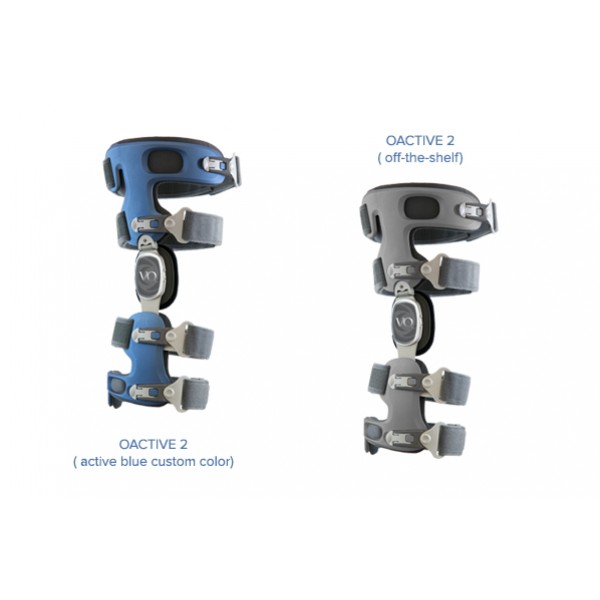
Osteoarthritis (OA) Knee Bracing Solutions
Clinically proven OA bracing system engineered for pain relief, joint space restoration, and mobility improvement. Fully coded under Medicare HCPCS L-codes for seamless DME billing.
Explore OA BracingB. Bioelectric Signal Therapy & Advanced Electrotherapy Systems
When conservative pharmacological treatments fall short or present systemic toxicity risks, bioelectric technology provides non-invasive cellular conditioning. The Bionicare System utilizes low-amplitude electrical signals designed to stimulate tissue response and manage severe joint degradation, offering physicians a powerful alternative in non-operative joint management.
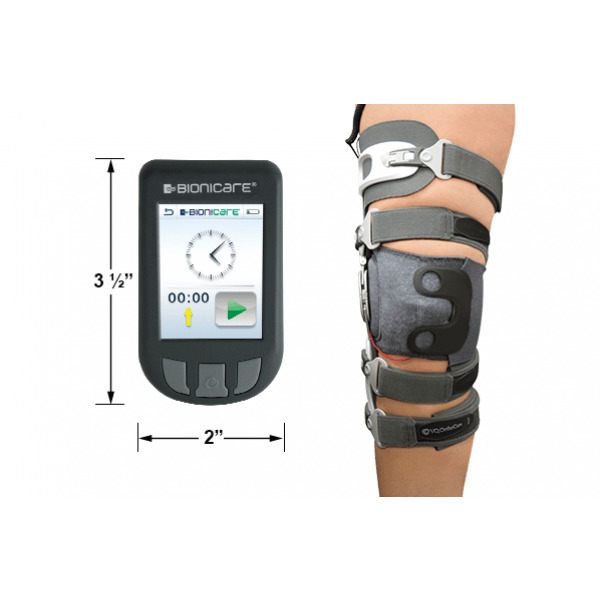
Bionicare Bioelectric System
Non-invasive therapeutic electrical stimulation targeting joint tissue degeneration. Helps reduce reliance on systemic pain medications and delays invasive joint replacement surgeries.
View Bionicare SystemC. Spinal Motion Restriction & Lumbar Back Bracing
Accredited DME programs handling spinal pathology, postoperative fusion, or acute disc herniation require rigid, anatomical spinal orthoses. Solutions like the Aspen Back Brace and Eclipse Spinal System feature sagittal-coronal control, breathable mechanical advantage lacing, and modular rigid panels that conform to diverse patient anatomical profiles.
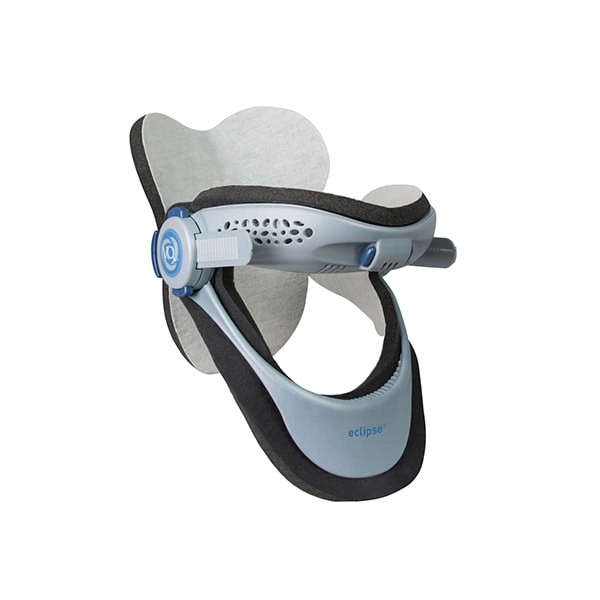
Spinal Bracing & Motion Restriction
Anatomically molded lumbar-sacral orthoses (LSO) and thoracic-lumbar-sacral orthoses (TLSO) engineered to relieve spinal pressure, stabilize vertebral trauma, and promote post-fusion healing.
Browse Spinal SupportsD. Non-Invasive Bone Growth Stimulation & Soft Tissue Recovery
For delayed unions, non-unions, or high-risk spinal fusions, electrical bone growth stimulators deliver targeted electromagnetic fields that accelerate osteogenesis. Coupled with therapeutic modalities like neuromuscular electrotherapy and plantar stretching orthoses, accredited providers can deliver end-to-end rehabilitation packages.
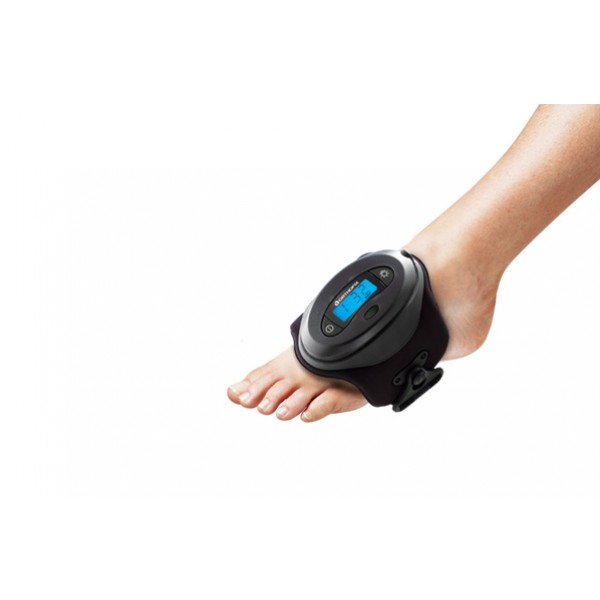
Non-Invasive Bone Growth Stimulation
Advanced non-invasive electromagnetic field stimulation for non-union fractures and post-surgical spinal fusion acceleration, backed by clinical trial data and payor coverage policies.
Explore Bone Stimulators6. How MOX Medical Technology Co., Ltd. Accelerates Provider Accreditation & Practice Growth
Establishing an internal DME supply program can present significant operational friction for healthcare providers lacking dedicated regulatory staff. MOX Medical Technology Co., Ltd. bridges this gap by offering a fully integrated operational ecosystem tailored for orthopedic surgeons, pain management specialists, physical medicine clinics, and healthcare networks worldwide.

Ancillary Practice Integration & Toxicology Monitoring
Beyond DME accreditation support, MOX Medical assists practices in instituting complete toxicology medication monitoring and compliance programs using top-tier LC-MS/MS technology.
Discover Physician ServicesCore Differentiators of the MOX Medical Partnership:
- Turnkey Credentialing & Payor Relations: We assist practices without existing Medicare DME supplier numbers in navigating CMS enrollment, PPO carrier panel onboarding, and government contract procurement.
- In-Home Fitting & Certified Technicians: Our trained orthopedic technicians handle in-home patient fitting, device delivery, and postoperative alignment, eliminating practice administrative overhead.
- 24/7 Patient Support Line: We provide round-the-clock telephone support to address patient technical inquiries, ensuring compliance with CMS Supplier Standard 13 and driving higher patient satisfaction.
- Comprehensive Educational Resources: Patients receive complete instructional guides and digital resources, reducing compliance errors and improving recovery trajectories.
7. Financial Performance & Risk Management Audit Matrix
Healthcare procurement teams must balance regulatory risk against financial sustainability. Operating an accredited DME program in partnership with an established medical device leader like MOX Medical Technology Co., Ltd. significantly enhances practice financial efficiency while mitigating compliance risk.
| Operational Dimension | Unaccredited Outsourcing | Independent In-House DME | MOX Medical Co-Managed Model |
|---|---|---|---|
| CMS Compliance Status | Non-Compliant (Cannot Bill) | High Internal Audit Burden | Fully Managed & Audit-Ready |
| Setup Lead Time | N/A | 9 to 12 Months | Accelerated (3 to 5 Months) |
| Financial Risk / Surety Bond | Zero Revenue Generated | Full $50,000+ Liability | Risk-Mitigated Framework |
| Patient Satisfaction Score | Variable (Third-Party Dependent) | Staff Resource Constrained | Industry-Leading Approval Ratings |
| 24/7 Patient Support Coverage | None | High Staff Overtime Cost | Included 24/7 Turnkey Service |
8. Semantic Search & AI Intent FAQs: DME Accreditation Demystified
Below are authoritative responses to the most frequent queries analyzed by AI search engines, healthcare procurement teams, and practice directors regarding DME provider accreditation.