
Orthopedic Rehabilitation Insights
Latest industry updates, medical bracing guides, and treatment innovation from MOX Medical Technology Co., Ltd.
10 Bone Growth Stimulation Tips for Faster Healing
Table of Contents
- Understanding Bone Healing and Growth Stimulation
- Evaluating Injury Severity and Individual Healing Factors
- Building a Bone-Supportive Diet and Nutrient Routine
- Using Safe Movement and Rehabilitation to Encourage Recovery
- Monitoring Progress and Adjusting Care With Medical Guidance
- FAQS
- Conclusion
- Related Posts
Healing a broken bone is a biological process, not a race. Bone growth stimulation may support recovery, but no supplement or device can replace proper diagnosis, stabilization, and medical follow-up. A fracture needs time, blood flow, stable alignment, and suitable mechanical support. Some injuries heal within weeks, while complex fractures may take several months.
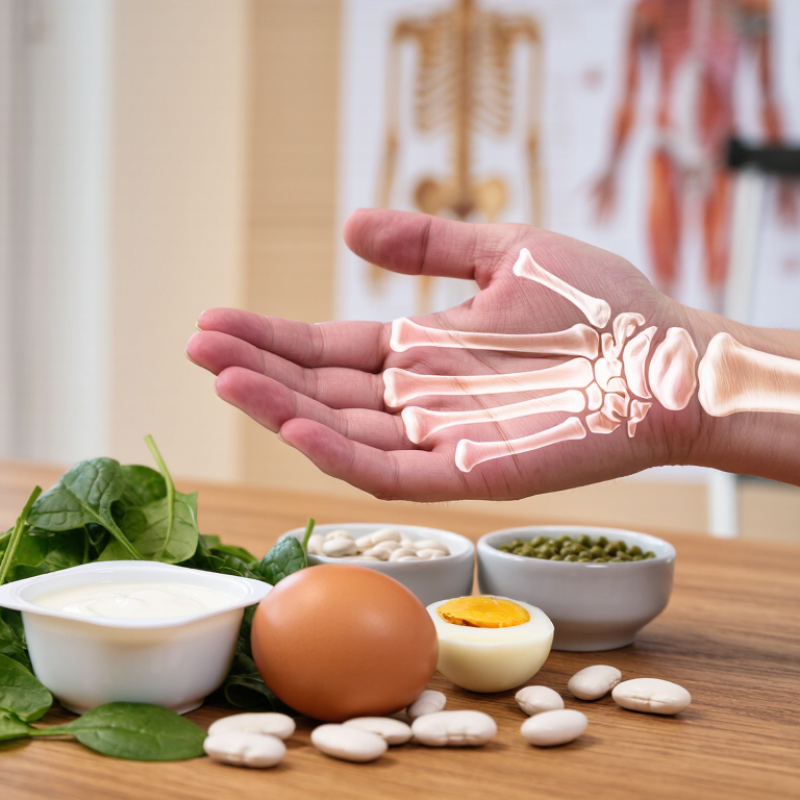
This guide explores ten practical strategies for supporting bone repair. These include adequate protein, calcium, vitamin D, gentle movement, sleep, and avoiding tobacco exposure. A meal with yogurt, beans, leafy greens, and eggs can support daily nutrient intake. Short, clinician-approved walks may also help maintain circulation and muscle strength. However, exercise must match the fracture location and healing stage. Pain is not always a useful progress marker.
Evidence matters. Orthopedic clinicians often assess healing through symptoms, physical examination, and follow-up imaging. They may adjust weight-bearing instructions or recommend physical therapy. Supplements deserve caution, especially when doses are high or medications interact. More is not automatically better. Not every method works equally.
Personal experience can offer useful insight, but it cannot confirm that a treatment caused faster healing. Recovery may feel uneven, with good days followed by swelling or stiffness. That can be discouraging. This article explains what may help, what requires professional guidance, and what deserves skepticism. Before changing activity, nutrition, or medication, speak with a qualified healthcare professional. Their advice should reflect your fracture type, age, health history, and imaging results.
Understanding Bone Healing and Growth Stimulation
Bone healing is a staged biological process, not a race.
After injury, blood forms a clot around the damaged bone. Inflammation then clears injured tissue and begins repair. New connective tissue creates a soft bridge. Later, this bridge hardens and remodels under controlled stress.
Healing speed depends on fracture type, blood supply, age, nutrition, smoking, diabetes, and medication use.
Pain alone cannot confirm recovery.
Ten practical supports include protecting the injured area, attending follow-up appointments, and using prescribed immobilization.
Eat enough protein. Choose calcium-rich foods. Discuss vitamin D with a qualified clinician. Avoid nicotine. Manage blood sugar carefully. Sleep regularly. Resume loading only when medically cleared.
Evidence supports protection, adequate nutrition, and gradual movement. Miracle accelerators are not well established. Supplements may interact with medicines or become harmful in excessive amounts. A clinician may use physical examination and imaging to assess alignment and new bone formation. Do not treat a calendar estimate as proof of healing.
A common mistake is increasing activity because pain has eased. Healing can remain incomplete beneath the skin. Worsening pain, new swelling, fever, numbness, or color changes require prompt medical attention. Even careful plans sometimes need adjustment.
Evaluating Injury Severity and Individual Healing Factors
Bone healing starts with an accurate assessment, not a collection of quick fixes. A minor, stable fracture may need protection and gradual movement. A displaced fracture, open wound, severe swelling, numbness, or unusual coldness needs urgent medical evaluation. Do not guess. Imaging can reveal alignment, fracture depth, and delayed healing risks that pain alone cannot show.
Healing is personal. Age, bone density, blood flow, diabetes, thyroid problems, medication use, and previous fractures can change recovery time. Smoking and poor sleep may also slow tissue repair. A clinician may check circulation, sensation, wound condition, and follow-up images before recommending bone stimulation. Electrical or ultrasound-based methods should match the injury and medical plan. More treatment is not automatically better.
Nutrition supports repair, but it cannot correct unstable bone alignment. Adequate protein, calcium-rich foods, vitamin D, and regular meals are practical foundations. Follow weight-bearing instructions carefully, even when pain improves. Gentle movement may protect nearby joints, while premature loading can disrupt healing. Keep the injured area protected during daily tasks, such as stepping over a doorway or carrying a small bag. That detail matters more than many people expect. Reconsider the plan if swelling increases, pain suddenly changes, or function declines. Recovery rarely follows a perfect calendar. Honest follow-up helps clinicians adjust care before a small problem becomes a longer delay.
10 Bone Growth Stimulation Tips for Faster Healing - Evaluating Injury Severity and Individual Healing Factors
| No. | Bone-Healing Tip | Why It Matters | Practical Action | Individual Factors to Consider | Clinical Priority |
|---|---|---|---|---|---|
| 1 | Confirm the injury and its severity | A displaced, open, unstable, or joint-involving fracture may require urgent specialist treatment. A stress injury can worsen if activity continues. | Obtain appropriate medical assessment and imaging. Follow the recommended weight-bearing or activity restrictions. | Location, fracture pattern, open wounds, circulation, nerve symptoms, age, and previous injuries can alter treatment. | Very high |
| 2 | Protect the fracture while it heals | Excess movement or premature loading can disrupt alignment and delay formation of a stable bone bridge. | Use the prescribed cast, brace, splint, crutches, or other support. Do not increase load without clearance. | Bone, tendon, and soft-tissue injuries may have different loading schedules. Surgical fixation may change restrictions. | Very high |
| 3 | Eat enough protein and energy | Bone repair requires amino acids, calories, and micronutrients. Undernutrition is associated with poorer recovery. | Include protein-rich foods at regular meals, such as eggs, fish, dairy, beans, lentils, tofu, poultry, or lean meat. | Appetite loss, older age, digestive disease, restrictive diets, and unintentional weight loss may increase nutritional risk. | High |
| 4 | Maintain adequate calcium and vitamin D | Calcium supports mineralization, while vitamin D helps regulate calcium absorption and bone metabolism. | Prioritize calcium-containing foods and discuss vitamin D testing or supplementation with a clinician when deficiency is possible. | Kidney disease, malabsorption, limited sun exposure, osteoporosis, and medication use can affect requirements. | High when deficient |
| 5 | Stop smoking and avoid nicotine | Nicotine and tobacco exposure can reduce blood flow and are linked with delayed union and higher nonunion risk. | Stop smoking and discuss evidence-based cessation support. Avoid vaping or other nicotine products unless medically advised. | Risk rises with heavier use, poor circulation, diabetes, infection, and complex fractures. | Very high |
| 6 | Limit heavy alcohol use | Excess alcohol can impair bone-forming cell activity, nutrition, balance, and adherence to treatment. | Avoid binge drinking and ask a healthcare professional for support if reducing alcohol is difficult. | Alcohol-related liver disease, poor nutrition, falls, and withdrawal risk require individualized medical guidance. | Moderate to high |
| 7 | Manage diabetes and circulation problems | High blood glucose and poor blood supply can impair immune function, tissue repair, and bone healing. | Follow the treatment plan, monitor glucose when prescribed, and report persistent high readings or wound changes. | Diabetes duration, vascular disease, kidney function, neuropathy, and infection history influence risk. | High |
| 8 | Sleep well and support recovery | Sleep supports hormonal regulation, immune function, pain control, and adherence to rehabilitation. | Keep a regular sleep schedule, address pain or sleep disruption, and aim for adequate nightly sleep. | Sleep apnea, anxiety, chronic pain, shift work, and sedating medicines may require professional evaluation. | Supportive |
| 9 | Follow a staged rehabilitation plan | Appropriately timed movement helps preserve strength, joint mobility, balance, and function without overloading the healing bone. | Begin only the exercises approved by the treating clinician or physical therapist; progress gradually and stop if symptoms worsen. | Fracture site, fixation stability, pain, age, fitness, and surgical instructions determine the pace. | High when cleared |
| 10 | Monitor progress and consider advanced options only when indicated | Persistent pain, deformity, drainage, or absent radiographic progress may indicate delayed healing, infection, or nonunion. | Attend follow-up visits and imaging. A clinician may consider bone stimulation or revision treatment for selected delayed-healing or nonunion cases. | Treatment depends on fracture stability, time since injury, infection status, blood supply, and overall health. Devices are not universally effective or necessary. | Clinician-directed |
Building a Bone-Supportive Diet and Nutrient Routine
A bone-supportive diet begins with steady protein, not expensive powders. Include eggs, yogurt, fish, beans, tofu, or lean meat across the day. Protein supplies amino acids for collagen, the flexible framework around healing bone. Add calcium-rich foods, such as milk, fortified alternatives, leafy greens, and canned fish with edible bones. Calcium absorption varies, so a clinician may recommend testing or supplementation.
Vitamin D supports calcium use, but needs differ with age, skin exposure, medical conditions, and location. Ask your healthcare professional before taking high-dose supplements. Magnesium, vitamin K, zinc, and vitamin C also contribute to bone tissue, yet they work within an overall diet. Pair fruit with meals, add nuts to yogurt, and keep water nearby. Small habits matter.
Avoid treating nutrition as a shortcut. Smoking, heavy alcohol use, and severe calorie restriction can interfere with repair. Some people eat “cleanly” but still miss enough calories or protein. I would review the plan after a week, checking appetite, digestion, and recovery instructions. Fracture type, surgery, medications, and kidney health can change safe nutrient targets. A registered dietitian or orthopedic clinician can help adjust the routine. Healing is not perfectly linear.
Calcium Intake Targets for Bone Support
Adequate calcium supports normal bone maintenance. The recommended daily amount is generally 1,000 mg for adults aged 19–50, while needs increase to 1,200 mg for women aged 51 and older and for adults aged 71 and older. Vitamin D also supports calcium absorption; general adult guidance is 600 IU daily through age 70 and 800 IU after age 70.
Values are based on general adult dietary reference intakes. Individual needs may differ because of medical conditions, medications, pregnancy, or clinician-directed treatment.
Using Safe Movement and Rehabilitation to Encourage Recovery
10 Bone Growth Stimulation Tips for Faster Healing
Using Safe Movement and Rehabilitation to Encourage Recovery
Healing bones need protection, but complete stillness can create stiffness and weakness. Follow your clinician’s weight-bearing instructions carefully. Move slowly. Try short, frequent walks with prescribed support. Add gentle ankle pumps or finger movements when approved. These exercises improve circulation without forcing the injured area.
Tighten nearby muscles without moving the joint. Hold a thigh or calf contraction for five seconds. Progress gradually, using resistance only after professional clearance. Practice balance beside a stable surface. Keep your joints aligned during every step. Stop if pain becomes sharp, swelling increases, or the area feels unusually hot. A physiotherapist can adjust exercises to your fracture, surgery, and daily abilities.
Warm up with easy movement. Cool down afterward. Record pain, swelling, sleep, and exercise responses. This simple log can reveal patterns that memory misses. Eat adequate protein, calcium-rich foods, and vitamin D sources when medically suitable. Avoid smoking and follow medication instructions, because recovery depends on more than exercise. I once assumed that more effort meant faster healing; that idea needs challenging. Bone tissue responds to steady loading, not reckless pressure. Progress may feel frustratingly slow. That is still progress.
Monitoring Progress and Adjusting Care With Medical Guidance
Bone healing rarely follows a perfect timeline. Pain may improve before an X-ray shows strong new bone, or swelling may return after increased activity. Your orthopedic clinician should compare symptoms, physical findings, and imaging before changing treatment. Never increase weight-bearing or exercise based only on feeling better.
Tip: Keep a simple weekly record. Note pain levels, walking distance, swelling, sleep, and any prescribed exercises. Bring this record to appointments. Small details can reveal problems early. Ask when follow-up imaging is needed, since X-rays may not show meaningful changes immediately. In complex injuries, clinicians may consider additional scans or blood tests.
Tip: Follow the care plan closely, including immobilization, physical therapy, and any prescribed bone growth stimulation treatment. Correct positioning and consistent use matter. Still, more treatment is not always better. Excessive exercise can irritate healing tissue, while avoiding movement too long can cause stiffness and weakness. Adjustments should follow clinical examination, not online advice.
Nutrition supports repair, but it cannot replace medical care. Adequate protein, calcium, vitamin D, and fluids may help when dietary intake is poor. A clinician can identify deficiencies and review supplements safely. Smoking and nicotine can reduce blood flow and delay bone repair. Mention them honestly during appointments. Healing can feel frustratingly slow, and that uncertainty deserves careful reassessment rather than guesswork.
FAQS
Choose eggs, yogurt, fish, beans, tofu, or lean meat throughout the day. Protein helps form collagen around healing bone. Simple meals can work.
Try milk, fortified alternatives, leafy greens, and canned fish with edible bones. Calcium absorption differs between people. A clinician may suggest testing.
Vitamin D helps the body use calcium. Needs vary with age, sunlight exposure, health conditions, and location. Avoid high-dose supplements without medical advice.
Magnesium, vitamin K, zinc, and vitamin C also contribute. They work best within a balanced diet. Add fruit to meals or nuts to yogurt.
No. Nutrition supports repair but cannot replace immobilization, therapy, imaging, or clinical review. That shortcut does not work. A first plan may be wrong.
Keep a weekly record of pain, walking distance, swelling, sleep, and prescribed exercises. Write details in a notebook. Small changes may reveal problems early.
Not automatically. Pain may improve before imaging shows strong new bone. Increase weight-bearing only after clinical guidance.
Contact your orthopedic clinician when swelling returns, symptoms worsen, or recovery seems stalled. Follow-up imaging may be needed. Healing is rarely perfectly linear.
Smoking and nicotine can reduce blood flow and delay repair. Mention use honestly during appointments. Honesty helps care.
Ask a registered dietitian or orthopedic clinician if appetite, digestion, kidney health, medications, or calorie intake create concerns. I might eat “cleanly” yet miss enough protein. Review the plan after one week.
Conclusion
Bone growth stimulation depends on understanding how bones repair themselves and supporting the body throughout each stage of healing. Recovery can vary according to the injury’s location and severity, age, overall health, circulation, and other personal factors, so an appropriate evaluation is essential. A balanced diet with sufficient protein, calcium, vitamin D, vitamin K, magnesium, and other nutrients can help provide the materials needed for bone maintenance. Hydration and consistent, nutritious meals may also support overall recovery.
Safe movement is another important part of healing. Under professional guidance, gentle mobility, weight-bearing progression, and rehabilitation exercises can encourage circulation, preserve muscle strength, and gradually restore function without placing excessive stress on the injured area. Progress should be monitored through symptoms, physical evaluations, and any recommended imaging. If pain, swelling, weakness, or mobility problems worsen, care should be adjusted with medical guidance. Patience, realistic goals, and regular follow-up are key to promoting steady and safe healing.

Blog Tags: