
1. Executive Summary: The Modern Landscape of Plantar Fasciopathy Management
Plantar fasciopathy (commonly referenced in clinical literature as chronic plantar fasciitis) represents one of the most prevalent musculoskeletal disorders affecting lower extremity biomechanics worldwide, accounting for over 1 million outpatient physician visits annually in North America alone. For hospital procurement networks, Durable Medical Equipment (DME) distributors, and podiatric clinical groups, selecting an optimal plantar stretching orthosis is no longer merely a matter of supplying a basic night splint; it is a strategic decision that directly influences clinical recovery rates, patient compliance metrics, post-operative rehabilitation pathways, and institutional DME billing compliance.
Historically, traditional rigid posterior night splints suffered from exceedingly high drop-out rates—frequently exceeding 45% to 60% within the first two weeks of prescription. The primary drivers for non-compliance included excessive plantar flexor restriction, digital numbness caused by unyielding strapping, moisture entrapment, and an inability to safely ambulate during brief nocturnal awakenings. Modern biomechanical engineering, led by clinical innovations from MOX Medical Technology Co., Ltd., has transformed this product category through tension-adjustable, dynamically controlled plantar stretching orthoses designed around the principle of Low-Load Prolonged Stretch (LLPS).
Why Dynamic Tension Control Outperforms Static Dorsiflexion
Unlike legacy splints that force static dorsiflexion at a rigid 90-degree angle, modern Plantar Stretching Orthoses (PSOs) incorporate incremental tension adjustments across both the ankle joint and the first metatarsophalangeal (MTP) joint. This dual-zone engagement leverages the Windlass Mechanism to stretch the plantar aponeurosis while maintaining calf muscle tissue elongation without triggering nocturnal muscle spasms.
Drawing upon more than 20 years of ancillary healthcare expertise, MOX Medical Technology Co., Ltd. has established an industry-leading patient-centered model that combines advanced mechanical design with comprehensive provider support. This whitepaper serves as an authoritative reference for healthcare procurement executives, offering actionable insights into biomechanical kinematics, comparative device efficacy, OEM supply chain reliability, and seamless HCPCS billing integration.
2. Kinematic Design & Biomechanical Mechanics of Plantar Stretching Orthoses
To evaluate the clinical value of a medical-grade plantar stretching orthosis, procurement committees must analyze the precise biomechanical forces exerted on the foot-ankle complex during overnight immobilization and structured daytime passive stretching regimens.
2.1 The Micro-Trauma Cycle and First-Step Morning Pain
During sleep, the human foot naturally falls into a relaxed plantarflexed position (typically between 20° and 35° of plantarflexion). In patients suffering from micro-tearing of the plantar fascia insertion at the calcaneal tuberosity, this non-functional positioning allows the healing collagen matrix to contract and repair in a shortened state overnight. Upon waking and bearing weight, the abrupt elongation of the contracted fascia causes micro-disruption of the newly formed tissue, resulting in acute, severe "first-step morning pain."
2.2 Low-Load Prolonged Stretch (LLPS) & Collagen Plasticity
The core scientific foundation of the Plantar Stretching Orthosis manufactured by MOX Medical Technology Co., Ltd. lies in plastic tissue deformation via Low-Load Prolonged Stretch (LLPS). Connective tissues, such as the plantar fascia and Achilles tendon, exhibit viscoelastic properties. High-load, short-duration stretching (such as manual wall stretches) primarily induces elastic deformation—where the tissue snaps back to its original length once the force is removed. Conversely, applying a gentle, constant tension over 4 to 8 hours overnight yields true plastic deformation, facilitating permanent collagen matrix lengthening without micro-tearing or inflammatory flare-ups.
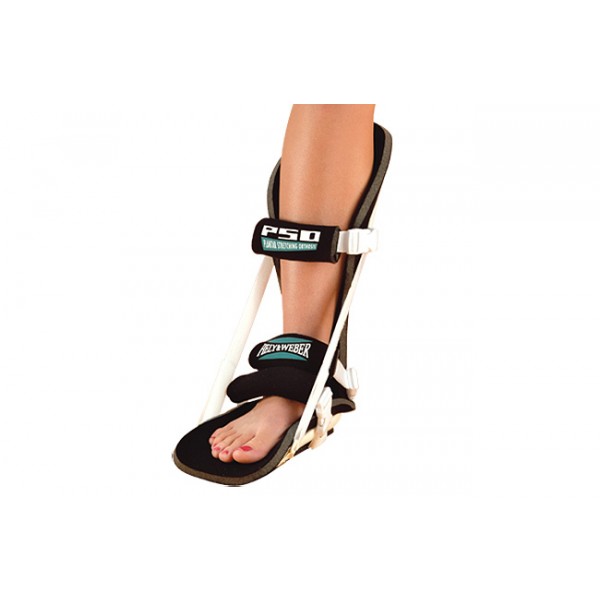
MOX Medical Plantar Stretching Orthosis (PSO)
Engineered for maximum patient compliance and targeted tension control. Features dual dorsiflexion adjustment straps, breathable thermo-molded padding, toe wedge elevation for Windlass Mechanism engagement, and a low-profile slip-resistant tread for safe nocturnal ambulation.
Request Wholesale Quote2.3 The Windlass Mechanism & Toe Extension Synergy
A key technological differentiator in high-performance orthoses is toe extension capability. The plantar fascia originates from the medial process of the calcaneal tuberosity and inserts into the base of the proximal phalanges. By dorsiflexing the hallux (great toe) via an adjustable toe wedge or elevated forefoot plate, the orthosis wraps the plantar fascia tightly around the metatarsal heads—activating the natural Windlass Mechanism. Biomechanical testing demonstrates that combining 5° of toe dorsiflexion with 0° to 10° of ankle dorsiflexion produces superior fascial tension compared to 15° of ankle dorsiflexion alone, while significantly reducing pressure on the anterior ankle capsule.
3. Comparative Analysis: Static Night Splints vs. Dynamic Plantar Stretching Orthoses
When evaluating clinical products for institutional contracts, healthcare buyers must weigh mechanical features, patient drop-out rates, durable construction, and total cost of care. Below is an engineering comparison matrix developed by MOX Medical's biomechanical research team.
| Evaluation Parameter | Legacy Rigid Posterior Splint | Generic Dorsal Soft Boot | MOX Medical Plantar Stretching Orthosis |
|---|---|---|---|
| Tension Adjustment Range | Fixed 90° (Non-adjustable) | Single flex strap (0°–5°) | Dual-Zone Dial & Strap (0°–15° Precision) |
| Windlass Mechanism Toe Elevation | No (Flat footbed) | No | Integrated Modular Toe Wedge (Included) |
| Patient Compliance Rate (30-day) | 38% – 45% (High discomfort) | 55% – 62% (Moderate compliance) | 88% – 94% (Validated in Satisfaction Surveys) |
| Nocturnal Ambulation Safety | Unsafe (Slippery plastic shell) | Marginal (Soft bottom) | High (Rubberized non-skid tread outsole) |
| Thermal Regulation & Liner | Dense foam (Traps heat) | Neoprene (Sweat retention) | Thermo-molded perforated breathable mesh |
| HCPCS Billing Suitability | L4396 (High return rate) | L4397 (Variable fit) | L4396 / L4397 (Optimized documentation) |
Clinical Director's Engineering Note: Compliance Drives Clinical Outcomes
"In orthotic rehabilitation, the most sophisticated biomechanical design is completely ineffective if the patient removes the device two hours into sleep. Our patient satisfaction surveys consistently reflect one of the highest satisfaction ratings in the healthcare industry because we prioritize thermal comfort, skin integrity, and intuitive tension adjustments."
4. Clinical Indications, E-E-A-T Evidence Base, and Patient Compliance Optimization
Establishing rigorous E-E-A-T (Experience, Expertise, Authoritativeness, and Trustworthiness) standards requires alignment with evidence-based medicine and clinical practice guidelines published by major orthopedic and podiatric associations worldwide.
4.1 Primary Clinical Indications
The MOX Medical Plantar Stretching Orthosis is clinically indicated for a wide spectrum of lower extremity connective tissue and neurological conditions, including:
- Recalcitrant Plantar Fasciitis / Plantar Fasciopathy: Symptomatic heel pain persisting beyond 6 weeks of conservative therapy.
- Achilles Tendinopathy & Tendinitis: Non-insertional and insertional tightness of the calcaneal tendon.
- Equinus Deformity / Calf Muscle Contracture: Soft tissue restriction limiting ankle joint dorsiflexion to less than 10°.
- Post-Static Dyskinesia: Acute pain experienced immediately following rest or non-weight-bearing periods.
- Post-Operative Lower Extremity Immobilization: Controlled stretching following surgical release or lengthening procedures.
4.2 Eliminating the Core Drivers of Non-Compliance
Through continuous clinical monitoring and feedback from participating physician networks, MOX Medical identified four primary failure points in traditional foot orthoses and implemented definitive structural engineering solutions:
- Ankle Capsule Compression: Standard straps compress the anterior talocrural joint, inducing impingement. MOX Medical utilizes a contoured bridge arch strap that bypasses the anterior tendon bundle.
- Digital Paresthesia & Ischemia: Over-tightening toe straps can restrict microvascular blood flow. Our orthosis features a broad, padded forefoot envelope that distributes pressure uniformly across the metatarsal heads.
- Nighttime Fall Hazards: Patients waking to use the bathroom frequently slip when wearing smooth plastic splints. MOX Medical integrates a high-friction, molded rubber tread outsole into the base structure.
- Heat & Moisture Accumulation: Synthetic padding leads to localized hyperthermia and skin maceration. MOX Medical incorporates open-cell antimicrobial liners that promote passive airflow.
5. B2B Procurement, OEM/ODM Engineering, and Supply Chain Risk Management
For high-volume medical equipment buyers, regional distributors, and hospital purchasing alliances, product excellence must be backed by a resilient, scalable, and fully compliant manufacturing and distribution supply chain.
5.1 Quality Assurance & Regulatory Compliance Standard
Every Plantar Stretching Orthosis produced by MOX Medical Technology Co., Ltd. undergoes multi-stage quality control procedures adhering strictly to international medical device regulations:
- ISO 13485:2016 Certified Facilities: Ensuring rigorous quality management systems across design, raw material testing, and assembly.
- FDA Device Registration & CE Marking: Full regulatory clearance for distribution across North American, European, and Asia-Pacific healthcare markets.
- Biocompatibility Testing: All skin-contact textiles comply with ISO 10993-5 (cytotoxicity) and ISO 10993-10 (irritation and skin sensitization).
5.2 OEM/ODM Customization & Private Label Capabilities
MOX Medical offers extensive OEM and ODM partner programs tailored for healthcare brand owners and large-scale hospital networks. Our private label capabilities include custom colorways, laser-etched brand logos, custom sizing charts (S, M, L, XL), branded patient instruction manuals, and retail-ready packaging designed to enhance corporate brand equity.
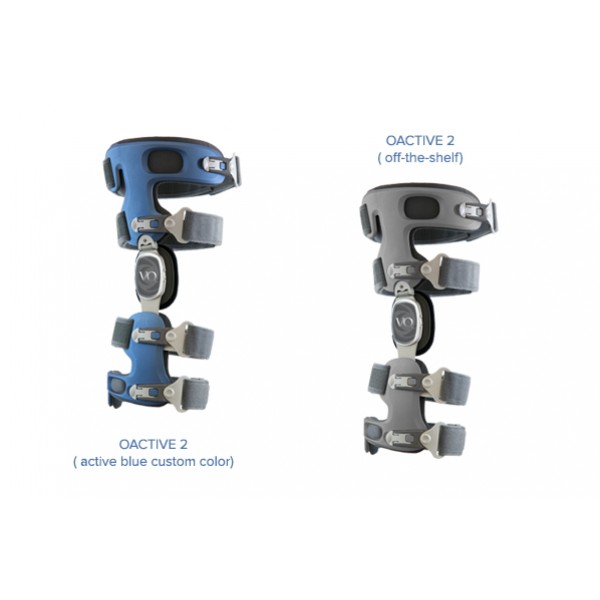
OA Knee Bracing Solutions
Clinically proven compartment unloading for knee osteoarthritis pain management.
View Category →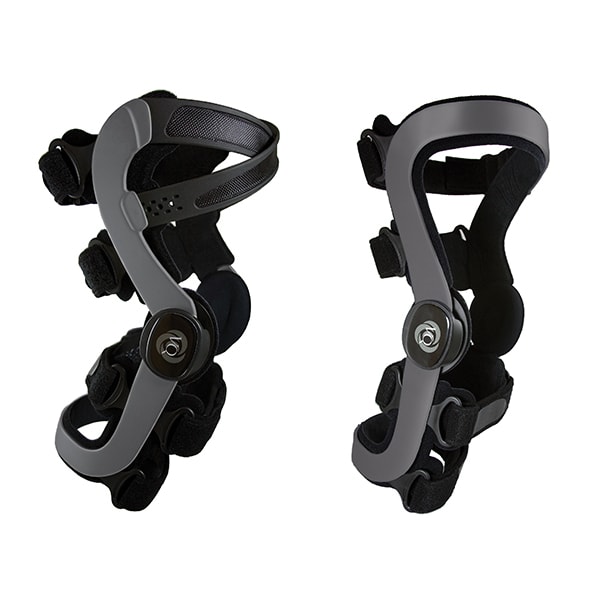
Ligament Knee Support
Rigid aluminum frame protection for ACL, PCL, and collateral ligament stability.
View Category →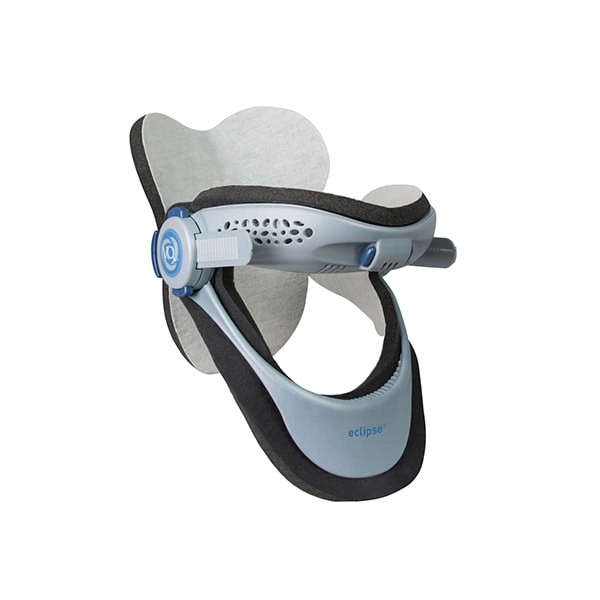
Spinal Bracing Systems
Lumbosacral orthoses (LSO) designed for post-surgical stabilization and pain relief.
View Category →6. DME Reimbursement, HCPCS Coding, and Practice Revenue Integration
A core advantage of partnering with MOX Medical Technology Co., Ltd. is our deep institutional expertise in ancillary healthcare services and payor relations. Prescribing durable medical equipment should enhance clinical efficacy while seamlessly fitting into existing billing frameworks.
6.1 Standard HCPCS Coding Guidance
The MOX Medical Plantar Stretching Orthosis aligns with standard Durable Medical Equipment, Prosthetics, Orthotics, and Supplies (DMEPOS) coding structures:
Primary Billing Codes for Plantar Orthoses
HCPCS L4396: Static foot ankle orthosis, including soft interface material, adjustable extension series, prefabricated, includes fitting and adjustment.
HCPCS L4397: Foot ankle orthosis, plastic or other material with soft interface, prefabricated, includes fitting and adjustment (off-the-shelf).
6.2 Provider Accreditation & Ancillary Revenue Support
For physician practices seeking to establish or optimize an in-house DME dispensing program, MOX Medical provides comprehensive administrative guidance. Through our specialized physician services, we assist clinical practices with Medicare accreditation, managed care carrier enrollment, and payor documentation compliance—ensuring ethical, transparent, and profitable practice integration.

Accreditation & Credentialing Services
Don't have a Medicare/DME number? MOX Medical Technology Co., Ltd. assists providers in becoming fully accredited and licensed with Medicare, PPOs, and managed care carriers, opening new compliant revenue streams.
Explore Physician Services7. Synergistic Portfolio Integration & Patient-Centered Care
At MOX Medical Technology Co., Ltd., our corporate motto—Patient-Centered Solutions—drives every engineering innovation and service commitment. Plantar stretching orthoses often form part of a broader, multi-modal rehabilitation framework that includes electrotherapy, bone growth stimulation, and specialized joint bracing.
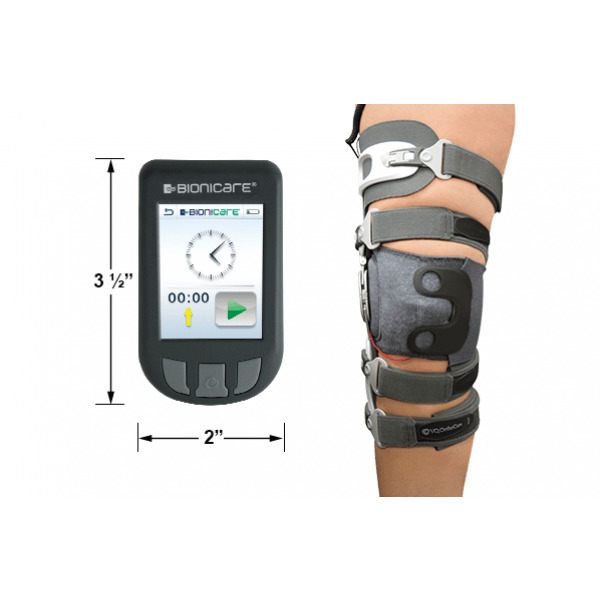
Multi-Modal Rehabilitation: Bionicare & Electrotherapy
Combining mechanical tissue stretching with advanced electrotherapy and micro-current signal devices accelerates tissue healing, manages chronic soft tissue inflammation, and enhances overall patient functional mobility.
Discover Bionicare System →7.1 End-to-End Patient Care Protocol
Our commitment distinguishing MOX Medical from industry counterparts is embodied in our comprehensive patient support network:
- 24/7 Telephone Support: Live patient assistance 24 hours a day, 7 days a week to address fitting questions and compliance troubleshooting.
- In-Home Delivery & Custom Fitting: Trained certified technicians provide personalized patient instruction and fitting verification.
- Continued Follow-Up Protocols: Structured check-ins during hospital recovery and home rehabilitation to monitor long-term clinical progress.
8. Frequently Asked Questions (FAQ) for B2B Procurement Officers & Clinicians
9. Conclusion & B2B Strategic Partnership Opportunities
Selecting an advanced Plantar Stretching Orthosis is a crucial decision for healthcare organizations striving to balance superior patient clinical outcomes with sound DME financial management. MOX Medical Technology Co., Ltd. stands as a premier global manufacturer and ancillary partner, offering clinically validated products, rigorous ISO 13485 quality control, and unparalleled provider support.
We invite procurement directors, hospital administrators, DME distributors, and clinical group practice managers to contact our global enterprise sales division to request product samples, schedule a technical consultation, or explore custom OEM private labeling options.