
Clinical Resources & Articles

Orthopedic Rehabilitation Insights

Latest industry updates, medical bracing guides, and treatment innovation from MOX Medical Technology Co., Ltd.

0%

The 2026 Top Saunders Deluxe Lumbar Hometrac Price Guide examines current pricing, product differences, and practical buying considerations. The Saunders Deluxe Lumbar Hometrac is a home lumbar traction device designed for controlled spinal decompression. Prices may vary widely between authorized dealers, clinics, and resale platforms. New units often include clearer warranty protection, while used units may show frame wear, stretched straps, or missing accessories.

Spine biomechanics researcher Dr. Stuart McGill offers an important reminder: “There is no one-size-fits-all solution for back pain.” That principle matters when evaluating this equipment. A lower price does not automatically represent better value. Buyers should compare model condition, adjustment features, delivery charges, return policies, and warranty length. Ask for details.

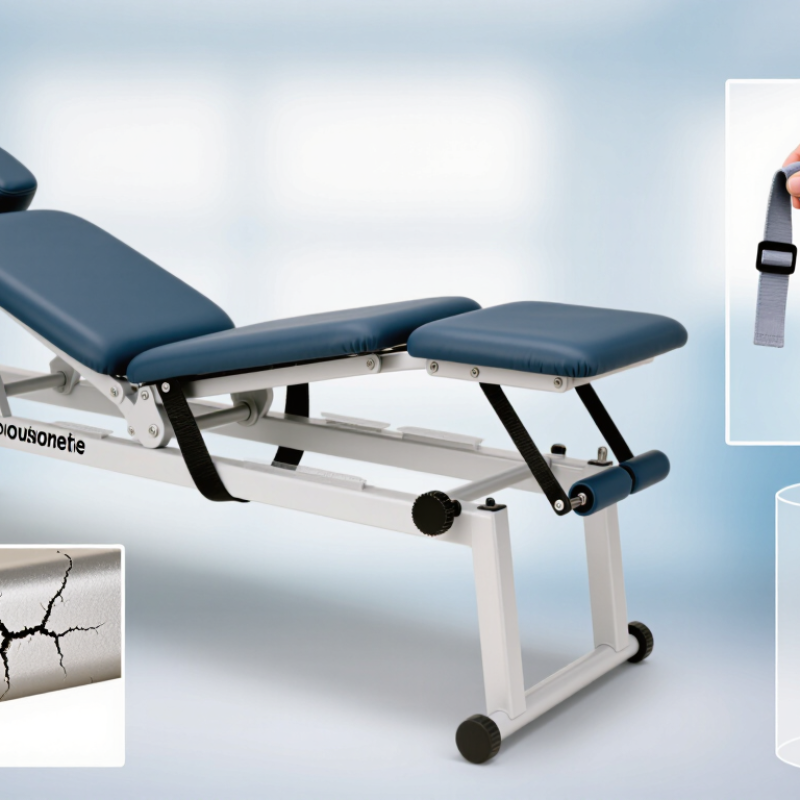
This guide also considers real-world ownership. A device may look sturdy in photographs, yet its headrest, pelvic belt, and traction mechanism deserve close inspection. Clinicians may recommend lumbar traction for selected patients, but suitability depends on individual symptoms and medical history. Professional advice remains sensible, especially when pain includes numbness, weakness, or sudden changes.

Some price estimates are imperfect. Market listings can disappear quickly. Retailer descriptions may also contain incomplete information. Readers should verify every figure before purchasing. The goal is not to promote the cheapest Saunders Deluxe Lumbar Hometrac. It is to support a careful, evidence-aware decision based on condition, credibility, and long-term usefulness.
2026 Top Saunders Deluxe Lumbar Hometrac Price Guide

What Is the Saunders Deluxe Lumbar Hometrac?

What Is the Saunders Deluxe Lumbar Hometrac?

A lumbar hometrac is a portable mechanical traction device for home use. It gently separates the lower back through controlled pulling force. The user lies on a firm surface and secures the pelvis with an adjustable harness. A hand pump then increases traction gradually. The attached gauge helps monitor the applied force.

The device is not a cure or a substitute for diagnosis. A qualified healthcare professional should confirm whether lumbar traction is suitable.

People with fractures, severe osteoporosis, recent spinal surgery, or unexplained weakness may need different care. Stop immediately if pain increases, numbness spreads, or unusual symptoms appear. Small details matter. The harness must feel secure, not restrictive.

In practical use, comfort depends on body position, surface firmness, and careful adjustment. I would check the frame, straps, pump, and gauge before every session. Older units may show wear that is easy to miss. That affects both safety and value.

For a 2026 price guide, compare condition, included accessories, warranty coverage, and seller support rather than relying on the product name alone.

Prices can vary widely between new, refurbished, and used equipment. Online descriptions are sometimes incomplete. Ask for clear photographs and recent inspection details before purchasing. A lower price may become expensive when replacement parts are unavailable.

Key Features and Included Components

2026 Top Lumbar Hometrac Price Guide: Key Features and Included Components

A deluxe home lumbar traction system usually costs about US$1,200–$1,800 in 2026, before shipping or clinical fitting. Prices vary by frame quality, warranty, and included accessories. A 2024 Grand View Research report identified home medical equipment as a growing market, supported by aging populations and outpatient care. That trend does not make every device suitable.

Look for a stable traction frame, adjustable pelvic and chest harnesses, and a hand-operated pressure pump. A clear force gauge improves repeatability. Many packages include a storage case, table straps, headrest support, and setup instructions. Some include an extension platform or replacement harness. Check carefully. “Included” can mean optional at checkout. The World Health Organization reports that low back pain affected 619 million people globally in 2020. Still, traction may not fit every diagnosis, and evidence remains mixed for routine use.

Tips: Confirm the maximum user weight and frame dimensions. Ask a licensed clinician to review your condition before regular use. Keep a pressure log, including duration and comfort. Stop if symptoms spread down the leg, numbness increases, or pain feels unusual. A cheaper package may lack essential fitting support. That matters more than appearance.

Factors That Influence the 2026 Hometrac Price

2026 Top Deluxe Lumbar Home Traction Price Guide

Price differences in 2026 will reflect more than product size. A deluxe lumbar traction unit may cost more when it uses reinforced frames, adjustable pelvic supports, and smoother tension controls. Medical-grade upholstery also adds manufacturing expense. Grand View Research valued the global home healthcare equipment market at over 190 billion dollars in 2023, with continued annual growth. Rising demand can increase component and assembly costs.

Certification and quality testing affect the final price. Devices sold through regulated markets need documented safety checks, traceable materials, and clearer user instructions. These steps require staff, testing equipment, and technical records. The World Health Organization estimates that more than 2.5 billion people need assistive products worldwide. That figure may exceed 3.5 billion by 2050. Larger demand can improve production efficiency, but it can also tighten supply during disruptions.

Shipping, warranty coverage, and clinical support deserve close attention. A low listed price may exclude delivery, replacement straps, or professional setup. I have seen price comparisons fail here. They looked precise, yet ignored after-sales costs. The International Monetary Fund has repeatedly linked transport and input-cost volatility with consumer price pressure. Currency changes may also affect imported components. Buyers should compare the complete ownership cost, not only the checkout figure. Even then, forecasts remain imperfect. A careful price guide should admit that uncertainty.

2026 Lumbar HomeTraction Price Guide: Factors That Influence Price

The chart presents a planning estimate of how major pricing components can contribute to the 2026 retail price of a lumbar home-traction device. Product construction, clinical-grade adjustment features, shipping, compliance testing, warranty service, and retail operations typically have the greatest influence. Actual prices vary by configuration, country, taxes, and distribution channel.

How to Compare Sellers, Packages, and Warranties

Comparing home lumbar traction sellers requires more than checking the lowest 2026 price. Ask for the delivered cost, tax, freight, assembly, and included accessories. Some packages include a table, harness, pump, and door anchor. Others charge separately for basic parts. Request clear photos of every component. A professional seller should provide usage instructions, clinician guidance, and responsive service.

The World Health Organization reported that 619 million people experienced low back pain in 2020. It projects 843 million cases by 2050.

That makes safe home care important, but traction is not suitable for everyone. A Cochrane evidence review found limited certainty about traction benefits for low back pain. Speak with a qualified clinician before buying, especially with numbness, recent injury, or spinal conditions. I have found that an attractive package can still feel incomplete after delivery. That detail deserves more attention.

Tips:

Compare at least three sellers using the same checklist. Record the full delivered price, return period, repair process, and warranty length. Check whether the warranty covers labor, shipping, and replacement parts. A one-year parts warranty may sound adequate, yet service delays can make it weak. Save screenshots of promises and request written confirmation. Examine whether returns require unopened packaging, because home testing may become expensive. Look for training support, not just a discount.

Buying Considerations for Safe and Cost-Effective Use

A lumbar home traction device can appear affordable at first glance, but the listed price rarely tells the whole story. Check whether the package includes the table, harness, pump, replacement straps, and delivery. Add possible consultation costs. A lower purchase price may become expensive if essential parts are missing. Ask for a clear warranty and return policy before paying.

Safe use begins with professional guidance. A qualified clinician should assess your symptoms, medical history, and spinal condition. Traction may not suit everyone, especially people with fractures, severe osteoporosis, recent surgery, or unexplained neurological symptoms. Read the instructions carefully, and begin with short sessions and gentle settings. Stop immediately if pain, numbness, weakness, dizziness, or unusual pressure develops.

Positioning matters more than many buyers expect. The harness should feel firm, never painfully tight, while the lower back stays supported and aligned. Keep the device on a stable, level surface. Do not improvise with towels, extra weights, or altered straps. That shortcut can change the force unpredictably. I once assumed more pulling meant better relief; that idea needs careful reconsideration. Comfort and controlled progress are better measures than intensity. Keep a simple record of session length, settings, and symptoms, then review it with a healthcare professional. A used unit may save money, but inspect its frame, cables, padding, and adjustment locks closely. Safety is worth more than a small discount.

2026 Top Saunders Deluxe Lumbar Hometrac Price Guide - Buying Considerations for Safe and Cost-Effective Use

Indicative 2026 U.S. market ranges for home lumbar-traction equipment. Actual prices may vary by supplier, accessories, shipping, insurance coverage, and condition.
Equipment Category Typical Price Range Common Configuration Best-Suited User Important Buying Checks Safety and Cost Notes
Basic Manual Lumbar Traction Device $150–$400 Manual force adjustment, padded support surface, portable frame Users seeking an entry-level option for occasional use Weight capacity, frame stability, adjustment range, padding, storage size Lower upfront cost, but force control and comfort may be more limited. Use only after appropriate clinical guidance.
Portable Pneumatic Lumbar Traction Device $400–$900 Air-assisted force application, adjustable harness, foldable or semi-portable design Home users who need more controlled traction and occasional portability Pressure or force measurement, release mechanism, harness fit, pump quality, warranty A pressure gauge and quick-release feature can improve control and reduce misuse. Check replacement-part availability.
Professional-Grade Home Lumbar Traction System $900–$1,500 Heavier frame, calibrated force control, enhanced pelvic and torso support Long-term users operating under a clinician-directed plan Load rating, force-control accuracy, ergonomic support, setup instructions, service policy Higher purchase cost may be economical for frequent use, but professional instruction remains important.
Used or Refurbished Lumbar Traction Equipment $300–$900 Previously owned equipment, possibly reconditioned or sold with limited accessories Budget-conscious buyers able to verify condition carefully Inspection history, missing parts, frame wear, force-control function, return policy Potential savings are offset by limited warranty coverage and higher repair risk. Avoid units with damaged straps or unstable frames.
Short-Term Rental or Trial Use $40–$100 per week Rental unit, delivery or collection service, basic setup support Users assessing comfort and adherence before purchasing Deposit, cleaning fees, delivery charges, training, maintenance responsibility A trial can reduce the risk of buying an unsuitable device. Compare total rental cost with the expected treatment period.

Key Buying Considerations

Evaluation Dimension Practical Requirement Why It Matters
Load Capacity and Fit Confirm the user's height, weight, waist measurement, and the device's published limits. Correct fit supports stable positioning and reduces pressure from poorly placed harnesses.
Force Control Prefer clearly marked, adjustable force or pressure controls and a quick-release mechanism. Controlled adjustment helps prevent excessive loading and makes use more repeatable.
Stability and Construction Check the base, locking points, hinges, frame materials, and maximum supported load. A stable frame helps limit unwanted movement, tipping, or uneven traction.
Comfort and Adjustability Look for adequate padding, adjustable supports, breathable straps, and easy entry and exit. Comfort affects whether the user can follow the prescribed session duration safely.
Warranty and Maintenance Review warranty length, return terms, replacement straps, pumps, fasteners, and cleaning instructions. After-sale support can substantially change the total cost of ownership.
Medical Suitability Obtain guidance from a qualified healthcare professional before beginning traction. Traction may be unsuitable for some conditions, including fractures, severe osteoporosis, infection, or certain neurological and vascular problems.
Safety reminder: Stop use and seek medical advice if traction causes worsening pain, numbness, weakness, dizziness, breathing difficulty, or other concerning symptoms. Follow the prescribed force, duration, and frequency rather than increasing them independently.

FAQS

What is a lumbar traction device for home use?

It is a portable mechanical device for gentle lower-back traction. The user lies on a firm surface. An adjustable harness supports the pelvis. A hand pump gradually increases pulling force, while a gauge shows the pressure.

Is home lumbar traction a cure for back pain?

No. It is not a cure or a substitute for diagnosis. A qualified healthcare professional should decide whether traction suits your condition. Benefits may vary. The evidence remains limited.

Who should seek medical advice before using one?

People with fractures, severe osteoporosis, recent spinal surgery, or unexplained weakness should seek advice. Numbness or a recent injury also deserves attention. Do not guess.

What should I check before each session?

Inspect the frame, straps, pump, and gauge. Make sure the harness feels secure, not restrictive. Check for cracked parts, loose stitching, or unusual wear. Older equipment can hide damage.

How can I improve comfort during use?

Use a firm, stable surface. Adjust your body position carefully. Increase force gradually with the hand pump. Comfort depends on small adjustments, and I might overlook them without checking twice.

When should I stop using the device?

Stop immediately if pain increases or numbness spreads. Stop if unusual symptoms appear. Contact a qualified healthcare professional for guidance. Do not push through warning signs.

What should I compare when buying a used or refurbished device?

Compare condition, included accessories, warranty coverage, and seller support. Request clear photographs of the frame, harness, pump, and gauge. Ask for recent inspection details. A low price may become costly when replacement parts are unavailable.

How can I compare sellers and packages fairly?

Ask for the complete delivered price, including tax, freight, and assembly. Check whether the package includes the table, harness, pump, and door anchor. Compare at least three sellers using the same checklist. The cheapest package may feel incomplete after delivery.

What warranty and return details deserve attention?

Check the warranty length and whether it covers labor, shipping, and replacement parts. Ask how repairs are handled. Confirm the return period and packaging requirements. Save screenshots and request promises in writing.

Conclusion

The Saunders Deluxe Lumbar Hometrac is a home-use traction device designed to support gentle lumbar stretching when used according to professional guidance. This 2026 price guide explains its main features, such as adjustable traction settings, supportive positioning, a structured frame, and commonly included accessories. Package contents may vary, so buyers should confirm exactly what is included before comparing prices.

The final cost of a Saunders Deluxe Lumbar Hometrac can depend on the package configuration, seller policies, shipping charges, warranty coverage, and whether customer support is provided. A lower listed price may not represent the best overall value if essential components or warranty protection are missing. Buyers should also consider proper sizing, setup requirements, storage space, and safe operating instructions. Anyone with back pain, recent injury, or a medical condition should seek qualified professional advice before use and stop if discomfort or unusual symptoms occur.

Ethan

Ethan

Ethan is a seasoned marketing professional with a deep understanding of his company’s product offerings and industry trends. With a passion for delivering insightful content, he frequently updates the company's professional blog, providing readers with valuable information about the latest......