
Orthopedic Rehabilitation Insights
Latest industry updates, medical bracing guides, and treatment innovation from MOX Medical Technology Co., Ltd.
What Is the Bionicare System and How Does It Work?
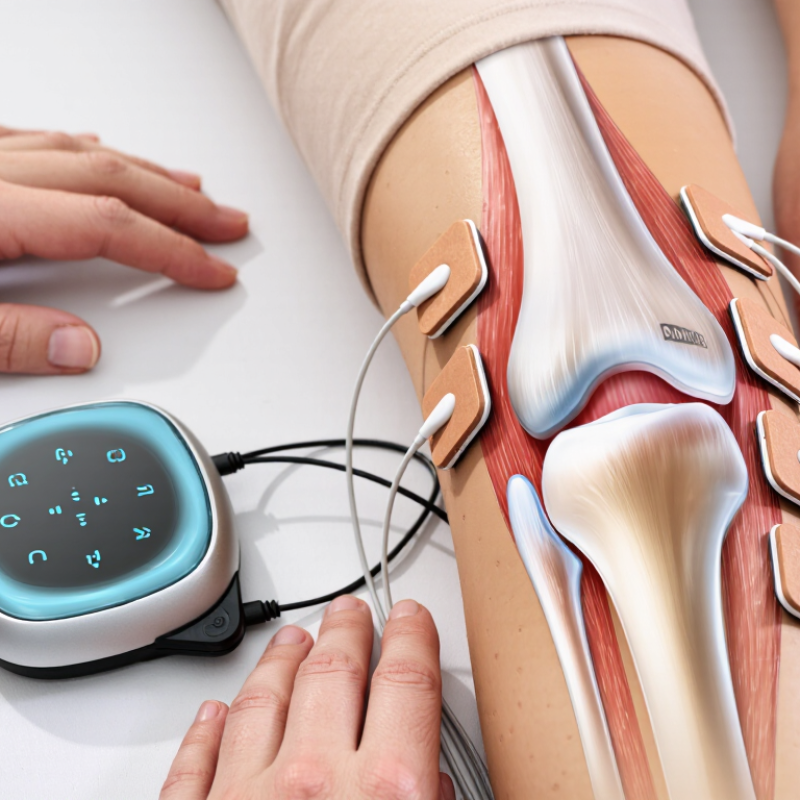
The Bionicare system is a prescription-based, non-invasive electrical stimulation device designed for people with knee osteoarthritis. It uses a small controller, lead wires, and skin electrodes placed around the knee. When activated, the device delivers gentle electrical signals through the skin. These signals may influence pain processing and support more comfortable movement. The sensation is usually mild, like a soft pulsing or tapping beneath the electrodes.
Orthopedic researcher Thomas J. Schnitzer, MD, PhD, has described conservative osteoarthritis care as “a combination of treatments tailored to the individual patient.” That principle matters here. Bionicare is not a replacement for diagnosis, exercise, weight management, or medical supervision. It is one tool within a broader treatment plan. Evidence can be encouraging, but results are not identical for every user.
The process is simple, but not effortless. Electrodes must contact clean, dry skin. Treatment sessions require consistency. Some users may notice reduced discomfort gradually rather than immediately. Others may experience limited benefit, skin irritation, or difficulty maintaining the routine. That uncertainty deserves attention.
This guide will explain how the Bionicare system works, what users may feel, and where its practical limits appear. It will also examine safety considerations, clinical evidence, and questions worth asking a healthcare professional. No device should be treated as a cure. That distinction is important.
What the Bionicare System Is and What It Treats
The Bionicare System is a wearable electrical stimulation device designed to support people with knee osteoarthritis. It sends gentle electrical impulses through skin electrodes placed around the knee. These signals activate nearby muscles, especially the quadriceps, which help stabilize the joint during movement. The system is not a cure for damaged cartilage. It may reduce discomfort and improve muscle function when used as part of a clinician-guided treatment plan.
It mainly treats symptoms linked with knee osteoarthritis, including pain, stiffness, and reduced mobility. Some users may notice easier walking or improved confidence on stairs. Results vary, and progress can be gradual rather than dramatic. In clinical practice, therapists usually consider muscle strength, skin condition, sensation, and overall medical history before recommending stimulation. The device may not suit everyone, particularly people with certain implanted electronic devices or untreated skin problems. A qualified healthcare professional should make that decision.
Tips: Place electrodes only as instructed, and check the skin before and after each session. Keep a simple record of pain, walking distance, and irritation. Stop if burning, unusual swelling, or persistent discomfort appears. Do not assume stronger stimulation works better. The most useful setting is often the one that supports consistent use without overwhelming the user.
What Is the Bionicare System and What Does It Treat?
The system is a non-invasive wearable device that delivers mild electrical stimulation through surface electrodes placed around the knee. It is designed to support pain management for knee osteoarthritis and is generally used as part of a broader treatment plan. In 2019, osteoarthritis affected approximately 528 million people worldwide, including about 365 million people with knee osteoarthritis, according to the World Health Organization.
Data source: World Health Organization, osteoarthritis estimates for 2019. The knee estimate is a subset of the total osteoarthritis estimate.
The Main Components of the Bionicare System
The Bionicare System is a non-invasive electrical stimulation device designed to support people with knee osteoarthritis. Its main components are a small electronic controller, skin-contact electrodes, connecting leads, and a positioning garment or wrap. Each part has a practical role. The controller generates programmed electrical pulses. The leads carry those pulses to the electrodes. The garment helps keep the electrodes near the intended treatment area.
The electrodes must sit on clean, dry skin around the knee. Accurate placement matters. Poor contact can reduce comfort and affect treatment consistency. A thin layer of conductive material may help maintain contact, depending on the device instructions. Users should inspect the electrodes and cables regularly. Damaged parts should not be used. The controller usually allows treatment settings to be adjusted within prescribed limits, rather than offering unrestricted intensity.
In clinical practice, electrical stimulation is often used alongside exercise, weight management, and professional guidance. It should not be viewed as a replacement for medical assessment. People with implanted electronic devices, reduced sensation, skin damage, or unexplained knee swelling may need special advice before use. The system may feel unusual at first. That is normal for some users, but not every sensation should be ignored. Pain, burning, or persistent irritation deserves attention. Placement can also be imperfect, especially during early use. A trained clinician can check the setup and correct small mistakes.
What Is a Non-Invasive Electrical Stimulation System and How Does It Work?
| System Component | Primary Function | How It Works | Typical User Considerations |
|---|---|---|---|
| Electronic Controller | Generates and regulates the electrical stimulation signal. | The controller delivers low-level, pulsed electrical current according to preset or clinician-directed settings. | Settings should be used as directed by a qualified healthcare professional. The device should be switched off before electrodes are removed. |
| Conductive Electrodes | Transfer electrical impulses to the skin over the treatment area. | Adhesive or reusable pads create a controlled electrical pathway between the controller and the underlying tissues. | Skin should be clean and intact. Electrodes may need replacement when adhesion or conductivity declines. |
| Lead Wires or Cables | Connect the controller to the electrodes. | The cables carry the programmed electrical pulses from the controller to each electrode. | Cables should be inspected for damage and positioned to reduce pulling, bending, or accidental disconnection. |
| Positioning Garment or Support | Helps keep the electrodes in the intended locations. | A fitted sleeve, wrap, or comparable support maintains contact between the electrodes and the treatment area during use. | The support should be secure but not excessively tight. Correct placement is important for consistent stimulation. |
| Power Source | Provides energy for the controller. | A replaceable or rechargeable battery supplies the power required to produce the stimulation signal. | Battery condition should be checked before treatment. Charging and replacement procedures should follow the device instructions. |
| Control Interface | Allows the user or clinician to start, stop, or adjust treatment. | Buttons, indicators, or a small display provide feedback about power, intensity, timing, or operating status. | The interface should be used only within the permitted operating range. Stop treatment if pain, burning, or unusual skin irritation occurs. |
| Electrical Stimulation Signal | Provides the therapeutic input to the targeted area. | The system uses controlled pulses rather than continuous current; the exact waveform, frequency, duration, and intensity depend on the specific device and treatment plan. | A mild tingling or tapping sensation may occur, but stimulation should not be painful. |
| Treatment Area | Receives the stimulation through the skin. | Electrodes are placed around the prescribed joint or soft-tissue region so the electrical field reaches the intended area. | Placement must match the instructions. Avoid applying electrodes over broken, infected, or significantly irritated skin. |
| Safety and Monitoring Guidance | Supports safe and consistent use. | Instructions define appropriate electrode placement, session duration, cleaning, storage, and circumstances requiring medical advice. | People with implanted electronic devices, certain medical conditions, or pregnancy should seek professional advice before using electrical stimulation. |
Electrical stimulation systems are non-invasive devices that deliver controlled pulses through surface electrodes. Their design, indications, settings, and safety requirements vary, so treatment should follow the instructions supplied for the specific medical device and the advice of a qualified healthcare professional.
How the System Delivers Electrical Stimulation
A bionic knee stimulation system uses controlled electrical pulses delivered through adhesive electrodes placed around the knee. The controller sends brief signals through the skin. These signals may influence nearby sensory nerves and, depending on settings, create gentle muscle contractions. The feeling can resemble tapping, buzzing, or small rhythmic squeezes. It should not feel sharply painful.
The system’s operation depends on careful electrode placement. Clean, dry skin helps maintain steady contact. A clinician or trained user adjusts intensity gradually, rather than turning it to the highest level. Pulse timing, frequency, and duration can vary between treatment plans. The device usually runs during scheduled sessions while the person rests or performs light activity. It does not directly repair damaged cartilage. Its purpose is more modest: supporting pain management and improving tolerance for movement in appropriate users.
Good practice includes checking the skin before and after each session. Redness that fades quickly may occur, but persistent irritation needs attention. People with implanted electronic devices, reduced sensation, or certain medical conditions should seek professional guidance before use. Evidence can be encouraging, yet responses differ widely. Some users notice relief after repeated sessions; others notice little change. That uncertainty matters. Electrical stimulation is not a substitute for assessment, exercise planning, or a broader knee-care program.
What Happens During a Bionicare Treatment Session
A treatment session with this type of bioelectric knee system usually begins with a brief clinical check. A trained professional reviews your symptoms, activity level, skin condition, and treatment goals. The electrode pads are placed around the knee, often on clean, dry skin. Accurate placement matters because small changes can affect comfort and stimulation quality.
The controller then sends gentle, low-level electrical signals through the pads. Most people describe the feeling as a steady tingling, tapping, or mild pulsing. It should not feel sharp or painful. The patient normally remains seated while the session continues for the prescribed period. A clinician may adjust the intensity slowly, watching for muscle response and discomfort. During treatment, the knee may feel warm, but unusual burning or persistent irritation should be reported immediately.
After the session, the pads are removed and the skin is checked for redness or pressure marks. Patients may be given a home schedule, since regular use often matters more than one unusually long session. Keep notes about pain, stiffness, and daily movement. That record can help guide later adjustments. Results are not identical for everyone. Some people notice gradual relief, while others see little change. I would not treat early improvement as proof that the system is working perfectly. Follow-up assessment remains important, especially when pain changes, swelling develops, or movement becomes harder.
Who May Use the System and What to Consider
The Bionicare System is a non-invasive electrical stimulation device designed to support people with knee osteoarthritis. It sends mild electrical signals through electrodes placed around the knee. These signals may influence pain processing and encourage more comfortable movement. The experience should feel noticeable, not sharply painful.
It may suit adults with persistent knee pain who want a drug-free option alongside exercise, weight management, or physical therapy. A healthcare professional should confirm the diagnosis first. Similar symptoms can come from injuries, inflammatory disease, or nerve problems. The system is not a substitute for that assessment.
Care matters. People with implanted electronic devices, reduced skin sensation, open wounds, or unexplained swelling should seek medical advice before use. Pregnancy and other health conditions also require individual guidance. Clean, dry skin helps electrodes stay in place. Start with the prescribed schedule, then inspect the skin after each session. Mild redness may occur, but burning or lasting irritation is a warning sign.
Results vary. Some users may notice easier walking or less discomfort, while others may feel little change. That uncertainty is easy to overlook. Keeping a simple pain and activity diary can reveal whether the device helps over several weeks. A clinician can then adjust the plan or recommend another approach.
FAQS
It sends gentle electrical impulses through electrodes around the knee. These signals activate nearby muscles, especially the quadriceps. It may support joint stability and movement. It is not a cure for damaged cartilage.
It may help reduce pain, stiffness, and limited mobility. Some users walk more easily or feel steadier on stairs. Results vary. Progress can be gradual.
A trained professional reviews symptoms, activity, skin condition, and treatment goals. Electrode pads are placed on clean, dry skin around the knee. The controller then delivers low-level electrical signals. You usually remain seated.
Many people notice steady tingling, tapping, or mild pulsing. It should not feel sharp or painful. The knee may feel warm. Burning is not expected.
Follow the instructed placement carefully. Small position changes can affect comfort and stimulation quality. Check the skin before and after each session. Clean, dry skin helps.
A qualified healthcare professional should make that decision. They may review muscle strength, sensation, skin health, and medical history. People with certain implanted electronic devices may need another option. Untreated skin problems also matter.
Remove the pads and inspect the skin for redness or pressure marks. Record pain, stiffness, walking distance, and irritation. This simple diary can guide later adjustments. Still, records are not perfect.
Stop if burning, unusual swelling, or persistent discomfort appears. Report severe irritation during treatment. Seek follow-up when pain changes or movement becomes harder. Stronger stimulation is not automatically better.
Conclusion
The Bionicare system is a noninvasive electrical stimulation device designed to support people experiencing symptoms related to joint discomfort, particularly in the knee. It typically includes a control unit, flexible leads, and skin electrodes placed around the affected area. By delivering carefully controlled, low-level electrical impulses, the system is intended to stimulate nearby nerves and muscles, which may help reduce pain sensations and improve comfort during daily activities. It is not a surgical treatment and should be used according to professional guidance.
During a Bionicare treatment session, the user positions the electrodes as instructed, connects them to the control unit, and selects the recommended stimulation settings. The session may produce a gentle tingling or pulsing feeling, but it should not be painful. Suitability can depend on a person’s symptoms, medical history, skin condition, and use of implanted electrical devices. Anyone considering the system should consult a qualified healthcare professional to confirm appropriate use, understand possible precautions, and combine treatment with a broader care plan when needed.

Blog Tags: