
Orthopedic Rehabilitation Insights
Latest industry updates, medical bracing guides, and treatment innovation from MOX Medical Technology Co., Ltd.
Top Shoulder Holder II Sling Options for Buyers
Choosing a Shoulder Houlder II sling is not just about appearance. Buyers should compare support, fit, adjustability, and the materials touching the shoulder. A strap that looks sturdy in a product photo may feel stiff after an hour. Small details matter. Check whether the sling sits securely, whether its fasteners are easy to adjust, and whether the fabric feels suitable for regular use. Elena Park, a fictional product-evaluation specialist, offers this illustrative line—not a sourced quotation: “A good sling should feel secure at the shoulder without making ordinary movement harder.” It captures a practical buying question, though fit and comfort can differ from person to person.
This guide explores leading Shoulder Houlder II sling options and the details worth checking before purchase. Buyers can compare construction, adjustment range, padding, cleaning instructions, and the clarity of the product information. Close-up images help, but they cannot show how a strap feels against skin or behaves during a full day of wear. That uncertainty deserves attention. A low price may be appealing, yet unclear sizing or vague material descriptions can make comparison difficult. Consider the intended routine, available size guidance, and return terms before deciding. No single option suits everyone, and a polished listing is not proof of lasting comfort. The sections ahead offer a grounded way to weigh features, spot trade-offs, and choose with more confidence.
Understanding the Shoulder Holder II Sling and Its Intended Use
A Shoulder Holder II sling is a shoulder-worn carry system designed to keep compatible equipment close to the body. Its intended use is controlled, hands-free carry, not medical support or a substitute for a fitted backpack. The exact fit depends on the model and the item it is made to hold. Check the product specifications before choosing one.
A good fit should feel stable without pinching the shoulder or pulling the garment sharply out of place. Try adjusting the strap over a light shirt, then test it while standing, sitting, and reaching. Small changes matter. Look for secure attachment points, durable stitching, and materials that do not rub during ordinary movement. I would not assume that one strap length suits every wearer; body shape and clothing layers change the feel. If the sling shifts, digs in, or limits movement, it may be the wrong option for your needs. This is easy to miss when judging from a product photo alone.
Key Features and Materials to Compare
Top Shoulder Holder II Sling Options for Buyers
Key Features and Materials to Compare
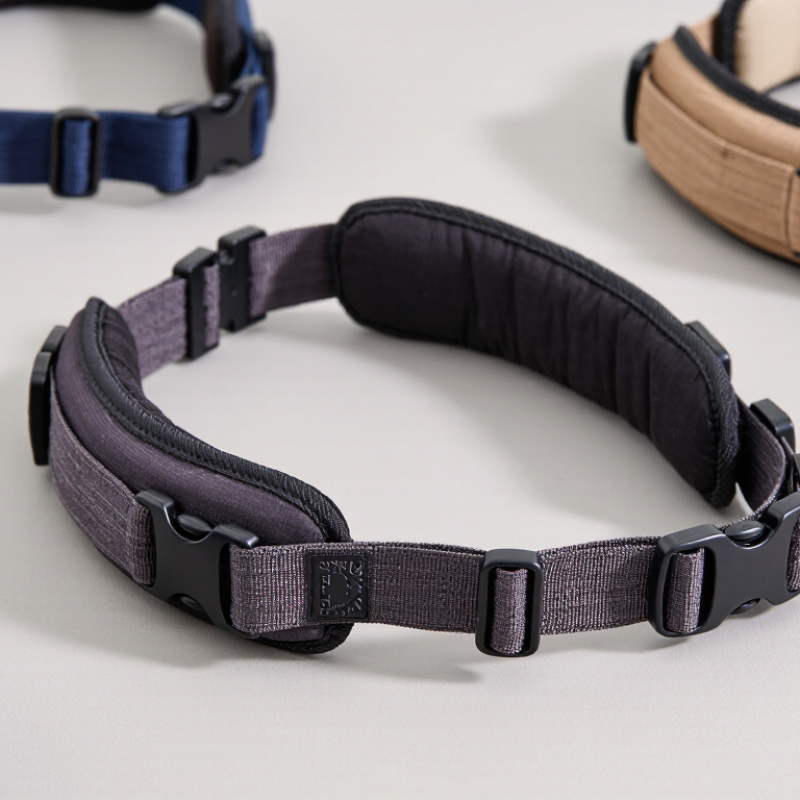
Compare the strap width, padding, adjustment range, and attachment points before choosing a shoulder holder sling. A broad, softly padded strap can spread pressure across the shoulder, while thin webbing may dig in during longer wear. Check whether adjustment hardware stays put when the strap is pulled, and whether buckles feel smooth against clothing. A neat spec sheet can still hide awkward fit.
Material affects weight, upkeep, and service life. Nylon webbing is often chosen for abrasion resistance; polyester can offer good color retention and lower moisture absorption. Textile Exchange’s Materials Market Report 2024 estimates that global fiber production reached 124 million tonnes in 2023, with polyester accounting for 57%. That figure describes the wider textile market, not sling quality. Inspect stitching at stress points, edge finishing, and hardware corrosion resistance. These details matter. A slightly stiff strap may soften with use, but that is not guaranteed.
Tips: Try the sling over the clothing you expect to wear. Load it lightly, adjust it, then check for slipping and pressure after ten minutes. If possible, compare two strap widths side by side.
| Sling Option | Typical Construction | Support and Adjustability | Common Use Considerations | Buyer Checks |
|---|---|---|---|---|
| Basic arm sling | Usually a fabric pouch with an adjustable shoulder strap; commonly made from cotton, polyester, or a blend. | Supports the forearm and holds the arm near the body. Strap length is commonly adjustable; it may not include a body strap. | A straightforward option when the care plan calls for arm support without a separate immobilizing belt. | Check pouch length, strap padding, secure adjustment hardware, and whether the hand is positioned comfortably. |
| Shoulder immobilizer sling | Typically combines an arm pouch with a waist or torso strap; fabric may be woven polyester, cotton-blend, or mesh. | The additional strap helps hold the arm closer to the torso. Fit and restraint level depend on the design and adjustment. | May be selected when a clinician specifies that the arm should be kept close to the body. | Confirm that the torso strap is adjustable, does not interfere with breathing, and can be fastened without twisting. |
| Mesh sling | Uses an open-weave textile, often polyester mesh, for the pouch or larger fabric panels. | Support depends on pouch shape, seams, and strap design; the open weave can allow more airflow than solid fabric. | Can be considered when ventilation and reduced fabric coverage are priorities, provided the prescribed support is maintained. | Inspect mesh strength, edge finishing, seam quality, and whether the material feels comfortable against the skin. |
| Padded-strap sling | A fabric pouch paired with a shoulder strap that includes foam or other soft padding, often covered with textile. | Provides a broader, softer contact area at the shoulder; the strap remains adjustable on most designs. | May be more comfortable for extended wear, although comfort varies with fit, load, and individual needs. | Check pad width, placement, removable or washable components, and whether the strap edge rubs the neck. |
| Abduction sling | Generally includes a shaped or padded support that holds the arm away from the torso; materials can include fabric, foam, and adjustable straps. | Maintains a specific arm position using the support structure and straps; adjustment is more involved than with a basic sling. | Used only when that position is part of the clinician’s treatment instructions; it is not a general substitute for a standard sling. | Verify the required positioning, side, size, and setup with the prescribing clinician before purchase. |
| Universal-fit sling | Often uses an adjustable strap and reversible or symmetrical pouch made from cotton, polyester, or blended fabric. | Designed to accommodate more than one arm side or a range of users; fit still depends on the available size range. | A practical option when flexible fitting is needed, but “universal” does not guarantee a suitable fit for every body size. | Compare the manufacturer’s measurement guide, adjustment range, hand position, and left/right configuration. |
Features and materials vary by design. Choose the sling type and arm position according to the instructions of a qualified healthcare professional.
Available Sling Configurations and Carrying Options
Buyers comparing Shoulder Holder II sling options should consider attachment layout, adjustment range, and how the load sits against the body. A fixed two-point configuration stays simple and predictable. An adjustable two-point sling makes it easier to change strap length between light clothing and a jacket. A single-point setup allows more movement, but may let equipment swing while walking. That trade-off is easy to overlook.
Strap width and padding affect comfort during longer carries. Check whether the strap lies flat over the shoulder, whether buckles press under a coat, and whether adjustment tabs remain reachable. Small details matter. The U.S. Bureau of Labor Statistics reported 2.6 million nonfatal workplace injury and illness cases in private industry in 2023. This broad figure is not sling-specific, but it reinforces the value of checking fit and handling rather than judging a setup by appearance alone.
Test each configuration with the intended load, first standing and then walking a short route. Check for slipping, pressure points, and snagging on nearby clothing or straps. Test it loaded. A setup that feels balanced indoors may shift outdoors, and personal comfort varies. Record the chosen adjustment length so it can be reset consistently, but revisit it when clothing or carried weight changes.
Fit, Compatibility, and Adjustment Considerations
Choosing a sling for a Shoulder Holder II starts with the holder’s attachment points, not color or padding. Check the product specifications and inspect how its loops, clips, or straps are meant to connect. A connector that looks close may still twist, slip, or press awkwardly against the shoulder. Small details matter.
Fit also depends on what you wear. A strap adjusted over a light shirt may feel tight beneath a winter coat. Leave enough room for natural arm movement, then check that the holder stays stable as you walk and turn. It should not dig into the neck or slide toward the arm. Try modest adjustments, one at a time, so you can tell what changed. Some fit is trial and error.
Before regular use, inspect stitching, buckles, and contact points for wear or sharp edges. Confirm the sling’s stated load rating suits the holder and its intended contents; do not assume all shoulder straps are interchangeable. If the setup pulls unevenly, pause and reassess the length and attachment orientation. I might be tempted to tighten it more, but extra tension can make discomfort worse. A short indoor fit check can reveal that sooner.
How to Choose the Right Sling for Your Needs
Choosing a shoulder sling starts with its job. For temporary arm support, check that the forearm rests level and the wrist does not hang beyond the fabric. A wide, padded strap can spread pressure across the shoulder; a narrow strap may dig in during longer wear. Fit matters. Look for adjustable length, breathable material, and closures you can manage without twisting an injured arm. If the sling is for daily carrying rather than recovery, test it with the actual load and clothing you wear.
WHO’s 2022 musculoskeletal health fact sheet estimates that 1.71 billion people live with musculoskeletal conditions worldwide.
That broad figure is not a sling test, but it underlines why pressure and posture deserve attention. Compare support, ease of adjustment, and how securely the sling stays in place as you move. A soft lining may feel pleasant at first, yet become warm after an hour. Comfort can mislead. Check for rubbing near the neck and under the arm, and reassess after walking or sitting. For an injury, follow a clinician’s guidance; a general fit guide cannot account for every condition.
FAQS
It keeps compatible equipment close to the body for hands-free carrying. It is not medical support.
Try it over a light shirt. Stand, sit, and reach to see whether it stays stable without pinching.
Check strap width, padding, adjustment range, attachment points, stitching, and hardware. Small details matter.
Nylon often resists abrasion, while polyester can retain color and absorb less moisture. Material alone does not guarantee quality.
Watch for shoulder pressure, neck discomfort, or restricted arm movement. More tension may make discomfort worse.
Yes. Match the attachment points to the holder’s loops, clips, or straps. A close-looking connector can still twist or slip.
Load it lightly and walk for ten minutes. Check for shifting, pressure, worn stitching, sharp edges, and loose buckles.
Not always. A setting that feels fine over a thin shirt may feel tight under a winter coat. Photos can be misleading.
Conclusion
The Shoulder Houlder II sling is designed to provide a practical way to support or carry compatible equipment across the shoulder, helping distribute weight and keep items accessible. When comparing options, consider the materials, stitching, padding, and hardware: durable, comfortable construction can make a difference during extended use, while lightweight materials may suit everyday needs. Sling configurations can range from simple single-strap designs to adjustable styles with different attachment points and carrying positions.
Before choosing, check that the sling fits the intended item and that its attachment points are compatible. Adjust the length so the load sits comfortably and remains stable without restricting movement. Think about where and how often you plan to use it, the amount of support you need, and whether comfort, compactness, or flexibility matters most. Comparing these factors will help you select an option that suits your routine and fits reliably.

Blog Tags: