
Orthopedic Rehabilitation Insights
Latest industry updates, medical bracing guides, and treatment innovation from MOX Medical Technology Co., Ltd.
Choosing the right support in 2026 requires more than comparing prices and star ratings. An Aspen back brace is a medical support device, not a universal solution for every type of back discomfort. Its design, fit, stiffness, and intended use should match guidance from a qualified healthcare professional. A brace that feels secure while standing may pinch when sitting, climbing stairs, or entering a car.
This buying guide examines practical details that product pages often overlook. We will consider sizing accuracy, adjustable panels, fastening systems, breathability, movement limits, and daily comfort. Small differences matter. A rigid frame may provide substantial stability, but it can also create pressure near the ribs or hips. Soft liners may reduce friction, yet they can become warm after several hours. Check the manufacturer’s measurements carefully. Then compare them with your own waist and torso measurements, rather than choosing by clothing size.
Fit comes first.
We will also discuss genuine clinical considerations, including post-operative use, spinal support, skin checks, and safe wear schedules. Professional instructions should take priority over online reviews or confident marketing claims. Real-world use is rarely perfect; straps can loosen, sitting can feel awkward, and adjustment may require patience. That limitation deserves attention. The best choice is not necessarily the most rigid or expensive brace. It is the option that offers appropriate support, manageable comfort, and clear guidance for your specific needs.
What Is an Aspen Back Brace and Who May Need One?
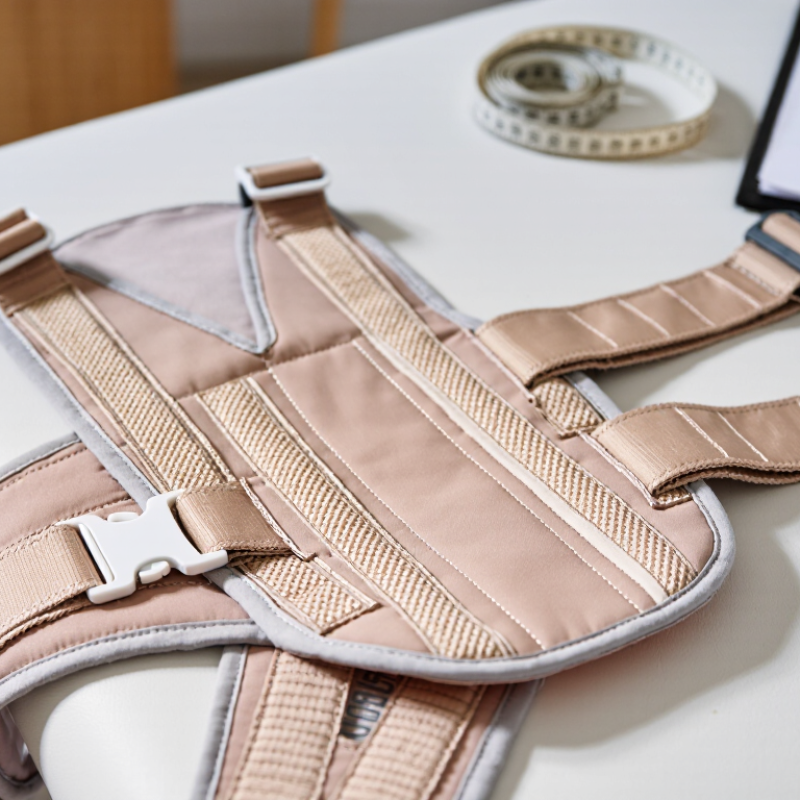
An Aspen-style back brace is a rigid spinal orthosis designed to limit movement and support the lower or middle back. It usually includes firm front and rear panels, adjustable straps, and padded contact areas. Unlike a soft lumbar belt, it aims to control bending, twisting, and uneven spinal motion. The exact design varies by injury, treatment stage, and body shape.
Doctors may recommend this brace after certain spinal fractures, surgery, or conditions involving instability. It may also help patients with severe back pain when movement needs temporary restriction. A clinician or orthotist should decide whether it is appropriate. They must also check the fit. A brace that feels secure can still press against the ribs, hips, or surgical area.
Daily experience matters. Sitting in a car, climbing stairs, and sleeping can feel different while wearing it. Skin redness that fades quickly may be tolerable, but lasting marks, numbness, or breathing difficulty need prompt medical attention. The brace should not replace prescribed exercises or follow-up visits. It is easy to assume tighter means better support. That is not always true. Poor adjustment can reduce comfort and discourage regular use. Patients should follow the wear schedule carefully and ask whether removal is allowed for bathing or rest. Self-diagnosis remains risky, especially when pain travels into the legs or weakness appears.
2026 Best Aspen Back Brace Buying Guide? – What Is an Aspen Back Brace and Who May Need One?
| Buying Consideration | What It Means | Who May Benefit | Key Selection Details |
|---|---|---|---|
| What is an Aspen back brace? | A rigid spinal orthosis designed to limit selected movements of the trunk and support the spine during recovery or treatment. | People whose clinician has prescribed external spinal support for a specific condition or procedure. | The correct brace depends on the spinal region, prescribed motion limits, body shape, and treatment plan. |
| Primary purpose | To help stabilize the spine, restrict unwanted motion, and support healing when used as directed. | Patients recovering from certain spinal injuries, surgeries, or diagnosed spinal instability. | A brace is supportive equipment, not a stand-alone cure and not a substitute for medical assessment. |
| Spinal coverage | Different orthoses are made for the neck, upper back, lower back, or multiple spinal regions. | Users with a clearly identified area requiring support. | Do not choose coverage based only on general back pain; the prescribed level should match the affected region. |
| Fit and sizing | Proper fit helps distribute pressure evenly and keeps the brace positioned during movement. | Anyone prescribed a brace, especially people with changing swelling, surgical wounds, or body-shape differences. | Use the fitting instructions and clinician measurements. Waist circumference alone may not be sufficient. |
| Adjustability | Straps, panels, or modular components may allow controlled adjustments for comfort and positioning. | Users who need changes during recovery or who have difficulty applying a fixed design. | Adjustments should preserve the prescribed support; excessive loosening or tightening can reduce effectiveness or cause pressure. |
| Material and padding | Rigid shells provide structure, while liners or padding help reduce friction and concentrated pressure. | People who must wear the brace for extended periods or who are sensitive to heat and skin irritation. | Look for smooth edges, breathable contact areas, and materials that can be cleaned according to instructions. |
| Comfort and mobility | A brace may limit bending, twisting, or lifting by design, so comfort must be balanced with prescribed restriction. | Patients expected to sit, stand, walk, or complete daily activities while following a brace plan. | Test safe daily movements under professional guidance. Do not modify the brace to increase mobility without approval. |
| Ease of application | The brace should be possible to put on, remove, and secure using the prescribed technique. | People with limited hand strength, restricted movement, or a caregiver-assisted treatment plan. | Ask for hands-on training and confirm whether assistance is needed for correct positioning. |
| Skin protection | Pressure, moisture, and rubbing can cause redness or skin damage if the brace is poorly fitted or used incorrectly. | All users, particularly those with fragile skin, reduced sensation, diabetes, or circulation problems. | Inspect the skin regularly. Report persistent redness, blisters, numbness, swelling, or worsening pain to a clinician. |
| Wear schedule | Some patients are instructed to wear a brace during activity, while others may receive a longer or more specific schedule. | Patients with an individualized prescription from a surgeon, physician, or orthotist. | Follow the prescribed schedule rather than relying on generic online recommendations. |
| Cleaning and maintenance | Regular cleaning can help manage sweat, odor, and skin-contact hygiene. | Anyone using a brace repeatedly or for an extended recovery period. | Follow the care instructions, check fasteners and padding, and seek inspection if parts become damaged or loose. |
| When professional fitting matters most | Complex spinal conditions and post-operative care may require precise alignment and follow-up adjustments. | People with recent spinal surgery, fractures, neurological symptoms, or significant deformity. | Use a qualified clinician or orthotist for assessment, fitting, and changes to the treatment plan. |
| Important safety point | Back braces are not appropriate for every type of back pain and may cause harm if incorrectly selected or fitted. | Anyone considering a rigid spinal brace without an existing prescription. | Seek medical advice before purchase. Urgent evaluation may be needed for new weakness, loss of bladder or bowel control, saddle numbness, fever, or severe worsening pain. |
Medical note: This guide provides general educational information and does not replace an examination, diagnosis, prescription, or fitting by a qualified healthcare professional.
FAQS
It is a spinal support with firm front and rear panels. Adjustable straps and padding help limit bending, twisting, and uneven movement. It is more restrictive than a soft lumbar belt.
A clinician may recommend one after certain spinal fractures, surgery, or spinal instability. It may also temporarily restrict movement during severe back pain. Self-diagnosis is risky.
It should feel firm, not painfully tight. You should breathe normally and move your hips without pinching. Check the ribs, hips, and surgical area for pressure.
Measure your waist where the brace will rest. Follow the sizing chart’s measuring method. Measure twice. A small error can cause slipping or pressure near the ribs.
Try it over a thin shirt. Sit for ten minutes, then stand and walk. Look for numbness, sweating, sharp pressure, rolling edges, or movement restriction.
No. Flexible, semi-rigid, and rigid designs suit different conditions and activities. Stronger support may reduce comfort or discourage regular use. The evidence remains limited and uncertain.
Stop and seek prompt medical advice for lasting skin marks, numbness, breathing difficulty, increasing pain, or leg weakness. These signs should not be ignored.
No. It should not replace diagnosis, prescribed exercises, rehabilitation, or follow-up visits. A brace may support movement, but it does not explain the pain’s cause.
Follow the prescribed wear schedule. Ask whether removal is allowed for bathing, sleeping, or rest. Do not guess, especially after surgery.
Recheck it after sitting, walking, and bending. Reassess after weight changes too. A comfortable fit can still be unsuitable for your diagnosis. I would not trust comfort alone.
Conclusion
An Aspen back brace is a supportive medical device designed to help stabilize the spine, limit excessive movement, and promote safer posture during recovery or daily activity. It may be recommended for people managing spinal injuries, post-surgical recovery, chronic back conditions, or instability, but the appropriate brace and wearing schedule should always be determined with guidance from a qualified healthcare professional. Understanding how the brace distributes pressure and controls motion can help users choose support that matches their needs.
When selecting an Aspen back brace, compare its construction, adjustability, breathability, closure system, and level of spinal support. Accurate measurements are essential for a secure yet comfortable fit, since an overly tight or loose brace may reduce effectiveness or cause skin irritation. Users should follow professional instructions, inspect the brace regularly, clean it according to care guidance, and replace it when materials, fasteners, or support components become worn. Regular follow-up can ensure the brace remains suitable as recovery or physical needs change.