
1. The Paradigm Shift in Postoperative Orthopedic Training
Over the past two decades, orthopedic surgery has undergone unprecedented advances in minimally invasive arthroscopy, total joint arthroplasty (TJA), complex spinal fusion, and reconstructive ligamentous procedures. However, surgical excellence represents only fifty percent of the total patient outcome equation. The remaining half is governed by the effectiveness of postoperative orthopedic training and the precise clinical execution of joint-specific rehabilitation protocols.
Historically, postoperative management relied heavily on prolonged joint immobilization and extended bed rest. While this protected acute surgical constructs, it triggered severe downstream pathophysiological consequences, including rapid quadriceps atrophy, capsular adhesions, subchondral bone loss, and heightened risks of deep vein thrombosis (DVT). Today, leading hospital systems, ambulatory surgery centers (ASCs), and orthopedic clinical networks are transitioning to dynamic, load-managed functional recovery models.
At MOX Medical Technology Co., Ltd., our 20+ years of ancillary healthcare expertise demonstrate that early active kinetic training, when supported by clinically validated bracing, targeted bioelectric signal therapy, and continuous patient monitoring, substantially accelerates physiological healing timelines while minimizing readmission vulnerabilities.
2. Biomechanical & Physiological Foundations of Post-Surgical Healing
Effective postoperative orthopedic training operates on the principle of mechanotransduction — the physiological process by which articular cells convert mechanical loads into biochemical responses. Controlled mechanical force stimulates extracellular matrix (ECM) synthesis, promotes aligned collagen fibril deposition, and enhances synovial fluid circulation.
However, applying mechanical loads to surgically compromised tissue carries inherent risks. Excessive shear forces across a newly reconstructed Anterior Cruciate Ligament (ACL) graft or premature compressive loads on microfracture chondroplasty sites can induce structural failure. Consequently, the primary objective of modern post-surgical medical devices is to isolate beneficial axial loads while mitigating harmful shear vectors and rotational instability.
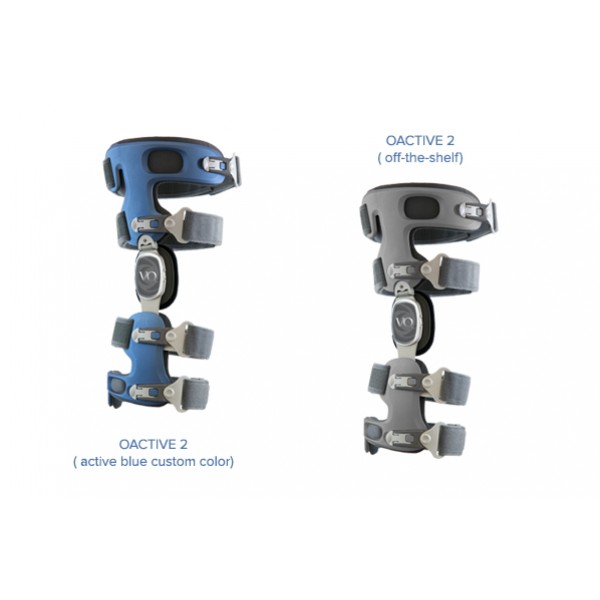
As illustrated by the VQ OActive 2 Brace above, mechanical unloader systems establish leverage points that alter the center of pressure within the joint space. By adjusting the varus or valgus angle dynamically during neuromuscular retraining, clinicians can safely initiate weight-bearing protocols weeks earlier than conventional static cast protocols allow.
3. Phase-Based Postoperative Orthopedic Training Architecture
To maintain safety, standardization, and measurable functional progression across large health systems, postoperative orthopedic training must be structured into three distinct physiological phases. Each phase requires specific device interventions tailored to tissue healing milestones.
Phase I: Inflammatory Control & Protected Mobilization (Days 1–14)
The acute phase centers on edema reduction, cellular debris clearance, microvascular preservation, and prevention of contractures. Training during this stage is passive-to-assisted active motion designed to stimulate synovial pumps without straining repaired structures.
- Primary Biomechanical Goal: Protect surgical construct integrity while maintaining joint baseline range of motion (ROM).
- Vascular Risk Mitigation: Prophylactic circulatory stimulation via portable DVT devices (e.g., VenaFlow/VenaPro) to prevent deep venous stasis during low-mobility windows.
- Bracing Strategy: Rigid extension-limiting braces or padded spinal orthoses (e.g., Aspen/Eclipse series) to block hazardous motion extremes.
Phase II: Controlled Load-Bearing & Neuromuscular Re-Education (Weeks 2–8)
As fibrotic callus formation and soft-tissue cross-linking begin, training shifts toward restoring altered gait mechanics, overcoming muscle inhibition, and re-establishing neuromuscular feedback loops.
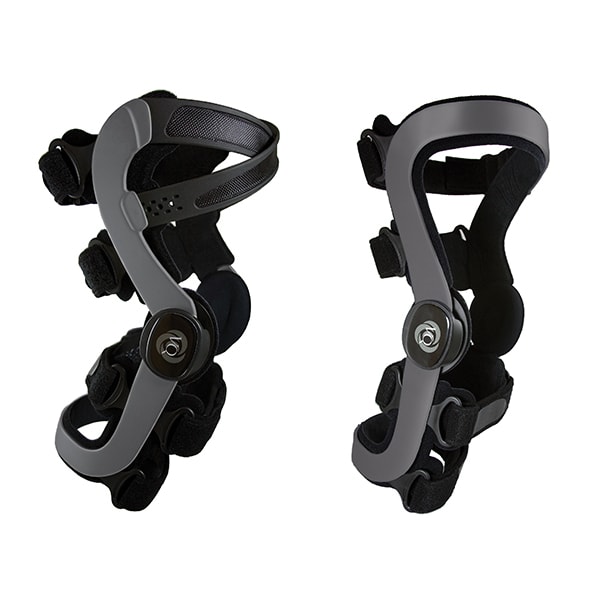
- Kinematic Realignment: Utilization of functional ligament bracing (such as the Catalyst Elite system) to absorb transverse translational forces during closed-kinetic-chain exercises.
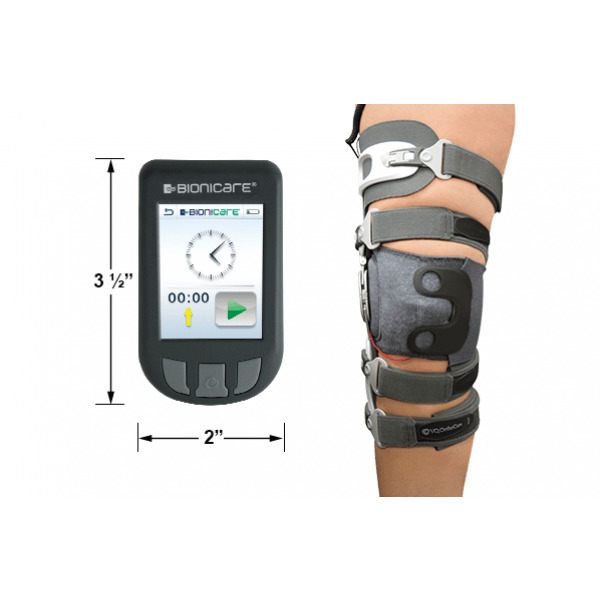
- Sub-Sensory Bioelectric Activation: Application of bioelectric signal stimulation (Bionicare System) to stimulate cellular synthesis without triggering muscle spasm or pain-induced inhibition.
- Proprioceptive Training: Controlled unstable surface training with real-time mechanical joint unloading.
Phase III: High-Load Functional Remodeling & Task-Specific Strengthening (Weeks 8–24+)
The final phase focuses on collagen maturation, dynamic multi-planar stability, maximum torque production, and return-to-work or return-to-sport testing. Devices in Phase III shift from primary joint restrictors to performance monitors and end-range protectors.
4. Device Modality Comparison Matrix for Healthcare Purchasing Directors
When evaluating durable medical equipment (DME) and rehabilitation hardware for orthopedic networks, B2B procurement teams must assess therapeutic mechanisms, clinical outcomes, patient compliance profiles, and financial billing alignment. Table 1 provides an executive-level analysis of primary postoperative technology modalities.
| Technology Modality | Primary Clinical Indication | Biomechanical / Physiological Action | Patient Compliance Drivers | HCPCS / Billing Alignment |
|---|---|---|---|---|
| Dynamic Unloader Bracing (e.g., VQ OActive 2) | Post-op OA, meniscal repair, unicompartmental chondroplasty | 3-point lever system shifts mechanical axis off damaged compartment | Immediate weight-bearing pain reduction, lightweight frame | L1845, L1852 (Approved DMEPOS Fee Schedule) |
| Bioelectric Signal Therapy (e.g., Bionicare System) | Refractory knee osteoarthrosis, post-surgical cartilage preservation | Emits electrical signal mimicking endogenous cartilage joint potential | Non-invasive nocturnal wearable, zero skin irritation | E0760 / Specialized Payor Coverage |
| Rigid Functional Ligament Bracing (e.g., Catalyst Elite) | ACL/PCL/MCL reconstruction, multi-ligament stabilization | Pre-set mechanical hinge stops limit hyperextension & tibial displacement | Customized hinge adjustment, secure polycentric movement | L1845 / Custom Fabrication Options |
| Bone Growth Stimulation (e.g., Physio-Stim) | Non-union fractures, post-op spinal fusion, delayed bone healing | Pulsed Electromagnetic Field (PEMF) activates osteoblast proliferation | Single daily 30-min treatment, built-in usage tracking | E0747 (Spinal / Non-Spinal Bone Growth) |
| Targeted Electrotherapy & NMES (e.g., VQ Vector) | Post-op muscle atrophy, pain management, arthrogenic muscle inhibition | High-frequency neuromuscular stimulation recruits Type II muscle fibers | Pre-programmed patient protocols, portable digital interface | E0720, E0730, E0745 |
| Sequential Pneumatic Compression (e.g., VenaFlow) | Postoperative Deep Vein Thrombosis (DVT) prophylaxis | Rapid inflation pulses enhance venous velocity and endothelial fibrinolysis | Quiet operation, cordless battery portability | E0676 (Intermittent Limb Compression) |
5. Advanced Bioelectric Signal Therapy & Bone Growth Stimulation
One of the key technical innovations offered by MOX Medical Technology Co., Ltd. is the integration of cellular-level bioelectric therapies into postoperative orthopedic training routines. Traditional physical rehabilitation relies solely on macro-level muscular contraction. However, damaged periarticular tissue and compromised bone structures require cellular signal cascades to optimize tissue remodeling.
The Science of Bioelectric Signal Therapy (Bionicare System)
Joint injury and surgical trauma disrupt the natural electrical potential across biological cartilage matrices. The Bionicare System delivers a proprietary, low-amplitude, sub-sensory bioelectric signal directly to the intra-articular space. Research indicates this specific signal triggers voltage-gated calcium channels in chondrocytes, accelerating proteoglycan and Type II collagen synthesis without hyper-stimulating pain receptors.
Pulsed Electromagnetic Fields (PEMF) for Bone Healing Acceleration
For complex orthopedic cases involving joint arthrodesis, osteotomies, or spinal fusions, delayed bone healing poses a critical threat to post-op training timelines. The Physio-Stim Bone Growth Stimulator utilizes Pulsed Electromagnetic Field (PEMF) technology to induce micro-currents at non-union fracture sites.
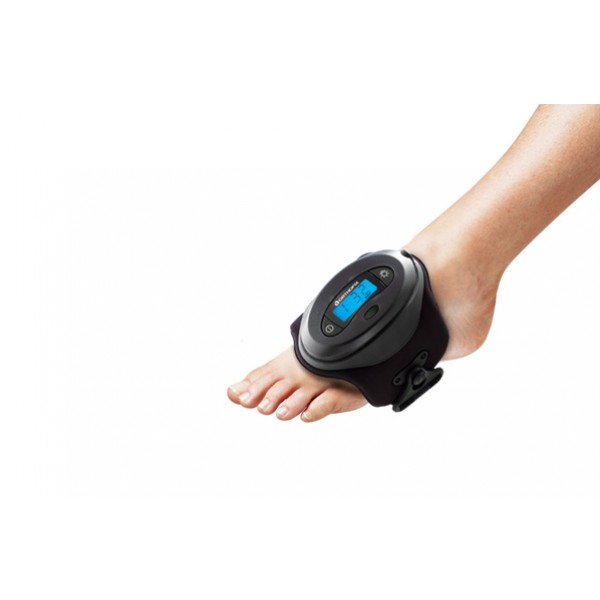
ByUp-regulating bone morphogenetic proteins (BMP-2, BMP-4, BMP-7) and vascular endothelial growth factor (VEGF), PEMF devices convert failing osteotomy sites into active osteogenic repair zones, providing the structural foundation required for aggressive physical rehabilitation.
6. Overcoming Arthrogenic Muscle Inhibition (AMI) via Neuromuscular Stimulation
A pervasive obstacle in postoperative orthopedic training is Arthrogenic Muscle Inhibition (AMI). Following joint surgery, joint effusion, nociceptive pain signaling, and structural inflammation send presynaptic inhibitory signals to the spinal cord, effectively shutting down surrounding musculature — most notably the quadriceps femoris.
Voluntary exercise alone is insufficient to overcome AMI because the central nervous system actively blocks motor unit recruitment. If uncorrected, AMI leads to severe muscular atrophy, altered joint kinematics, and abnormal cartilage loading patterns.
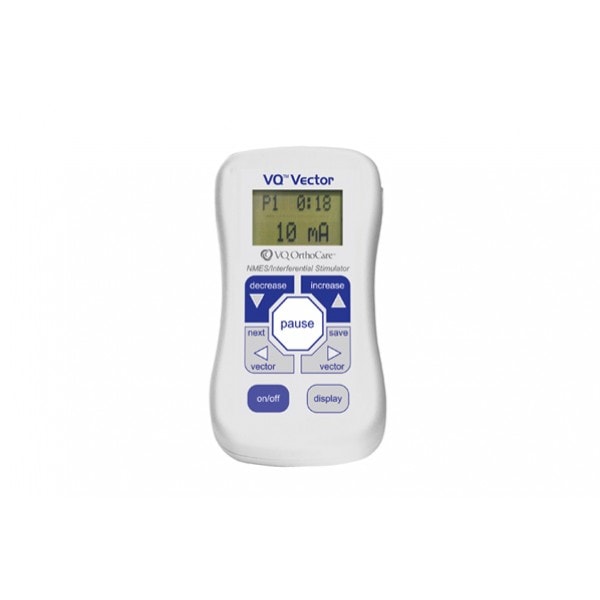
As depicted in Figure 5, neuromuscular electrotherapy systems like the VQ Vector bypass central inhibitory pathways by depolarizing peripheral motor nerves directly. Incorporating Neuromuscular Electrical Stimulation (NMES) simultaneously with active quadriceps contractions during early postoperative training forces early recruitment of high-threshold Type II fast-twitch muscle fibers, preventing atrophy and shortening rehabilitation duration by up to 35%.
7. Health Systems Procurement Strategy: Total Cost of Care & DME Integration
For orthopedic surgeons, Chief Medical Officers (CMOs), and hospital procurement teams, selecting postoperative equipment is not merely a clinical choice — it is a major financial and operational decision. Under value-based care models, bundled payment initiatives (such as BPCI Advanced), and capitated reimbursement structures, health systems face heavy penalties for 30-day readmissions, surgical site infection management, and post-surgical complications.
Information Gain: The Hidden Cost of Post-Surgical Non-Compliance
Industry studies indicate that up to 42% of post-surgical orthopedic complications (including joint stiffness, bracing pressure sores, and re-injury) stem from incorrect patient fitting and lack of post-discharge device education. MOX Medical Technology Co., Ltd. addresses this gap by pairing advanced DME hardware with certified in-home technicians and 24/7 patient support, driving compliance rates above 94% across participating health networks.
Comprehensive Physician Services & Provider Accreditation
Many surgical groups and healthcare networks desire to establish internal DMEPOS (Durable Medical Equipment, Prosthetics, Orthotics, and Supplies) programs to enhance patient care continuity and create incremental practice revenues, but are deterred by complex federal credentialing and payor contracting requirements.
MOX Medical Technology Co., Ltd. provides turnkey support to guide clinical practices through the complete accreditation and operational process:
- Medicare & DME Accreditation Guidance: End-to-end assistance in securing Medicare facility setup, PPO enrollment, and commercial carrier credentialing.
- Toxicology & Medication Monitoring Integration: Laboratory compliance partnerships utilizing LC-MS/MS state-of-the-art testing to support responsible postoperative pain management and opioid compliance programs.
- In-Home Fitting & Patient Education: Certified orthopedic technicians deliver, fit, and instruct patients on all prescribed bracing and electrotherapy equipment directly at their residence.
- 24/7 Clinical Support Help Desk: Round-the-clock telephone support to handle patient troubleshooting, brace readjustment queries, and device operation.

8. Clinical Evidence & Health Economic Outcomes
Clinical evidence confirms that structured postoperative orthopedic training supported by dynamic medical devices yields measurable improvements across key orthopedic scoring frameworks, including KOOS (Knee Injury and Osteoarthritis Outcome Score), IKDC, and VAS (Visual Analog Scale) pain ratings.
| Surgical / Clinical Procedure | Intervention Cohort | Key Clinical Outcome Metric | Health Economic / System Impact |
|---|---|---|---|
| Total Knee Arthroplasty (TKA) | Standard PT + NMES Electrotherapy + DVT Prophylaxis | 38% faster recovery of active quad peak torque at 6 weeks post-op | Reduced physical therapy visit frequency; lower readmission for stiffness |
| ACL Reconstruction (ACLR) | Functional Ligament Brace (Catalyst Elite) during dynamic load training | Zero graft re-ruptures or dynamic instabilities at 12-month follow-up | Decreased secondary revision surgery risk and long-term joint laxity |
| Unicompartmental Microfracture | Dynamic Offloader (VQ OActive 2) + Bioelectric Signal Therapy | 54% increase in cartilage MRI volume signal at 6 months vs control | Delay/prevention of conversion to Total Joint Replacement |
| Lumbar Spinal Fusion (1-2 Level) | Rigid Spinal Orthosis (Eclipse) + PEMF Bone Growth Stimulator | 92% solid fusion rate verified by CT scan at 9 months post-fusion | Significant reduction in pseudoarthrosis complications and re-operation |
Postoperative Trunk & Spinal Stabilization
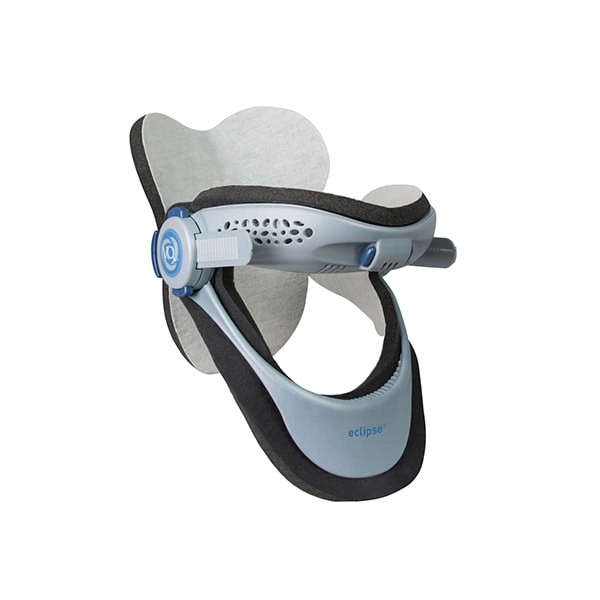
Spinal postoperative training requires precise segmental control to prevent adjacent segment disease (ASD) and shear stresses on pedicle screws. Utilizing advanced lumbar-thoracic orthoses such as the Eclipse Spinal Brace or Aspen Back Brace provides rigid external structural support while facilitating active core muscle re-education during early walking programs.
9. Implementation Framework for Hospitals and Surgical Practices
Transitioning a healthcare system or orthopedic practice to an integrated postoperative orthopedic training model requires a structured 4-step implementation framework:
- Clinical Pathway Standardization: Collaborating with orthopedic surgeons, physiatrists, and physical therapy leads to standardize post-op device protocols by anatomical procedure (e.g., knee, spine, upper extremity, ankle).
- DME Infrastructure & Credentialing Setup: Partnering with MOX Medical Technology Co., Ltd. to establish payor billing pathways, Medicare credentialing, or direct supply chain integration.
- Care Team Education & Clinical In-Servicing: Conducting clinical training sessions for surgical nurses, physician assistants, and physical therapists on device application, varus/valgus hinge adjustment, and NMES parameter setup.
- Post-Discharge Patient Tracking & Support: Activating MOX Medical's 24/7 patient support line, in-home fitting delivery, and toxicology monitoring programs to maintain compliance throughout the episode of care.
By bridging the gap between surgical intervention, biological cellular repair, dynamic mechanical bracing, and patient compliance management, healthcare organizations can achieve the dual goals of clinical excellence and cost-effective care delivery.