
1. Executive Summary: The Modern Macroeconomic Challenge Facing Medical Practices
Independent orthopedic surgeries, pain management centers, physical medicine & rehabilitation (PM&R) practices, and multispecialty medical groups face an unprecedented financial squeeze. Declining Medicare reimbursement schedules, rising operational overhead, administrative burnouts, and commercial payor fee compressions have drastically reduced traditional professional fee margins. To maintain financial independence while continuing to elevate the standard of clinical care, practice executives must adopt structural revenue diversification strategies.
Physician ancillary revenue programs represent the single most effective legal mechanism for medical practices to unlock non-duplicative, high-margin revenue streams directly tied to patient care. By offering complementary clinical services—such as Durable Medical Equipment, Prosthetics, Orthotics, and Supplies (DMEPOS), electrotherapy, bone growth stimulation, toxicology medication monitoring, and specialized in-office procedures—practices can deliver continuous, non-invasive therapeutic interventions while retaining revenues that were previously outsourced to third-party providers.
Conventional practice growth models focus solely on increasing patient volume—a strategy that accelerates physician burnout. High-performing practices leverage patient-centered ancillary integration to increase revenue per patient episode, improve therapeutic compliance, and reduce long-term surgical or opioid interventions.
2. Intent Mining Analysis: What Healthcare Buyers & AI Engines Demand
Modern B2B healthcare buyers—including Chief Executive Officers, Practice Administrators, Managing Partners, and Billing Compliance Officers—frequently consult search engines and AI language models to resolve complex operational questions. Intent mining across healthcare decision-makers reveals five critical queries:
- Regulatory Safeguards: "How can we establish an in-office ancillary program without violating Stark Law or the Anti-Kickback Statute (AKS)?"
- Clinical Efficacy & Compliance: "Which medical devices yield verified therapeutic outcomes while satisfying strict commercial payor prior-authorization requirements?"
- Operational Overhead Elimination: "How do we prevent our clinical staff from becoming overwhelmed by DME fitting, patient instruction, and billing denial management?"
- Accreditation Hurdles: "What is the exact pathway to secure Medicare DMEPOS accreditation and commercial PPO provider contracts?"
- Financial ROI Modeling: "What is the net revenue impact of an integrated bracing, electrotherapy, and toxicology program for a 3-to-5 physician practice?"
This whitepaper, authored by the senior clinical and regulatory strategy team at MOX Medical Technology Co., Ltd., provides definitive, evidence-backed solutions to each of these operational mandates.

3. Core Ancillary Revenue Program 1: In-Office Orthopedic Bracing (DMEPOS)
Orthopedic bracing represents one of the most immediate, clinically justified ancillary programs available to musculoskeletal practitioners. Prescribing biomechanically proven orthoses in-office ensures that patients receive immediate stabilization, un-weighting, and pain relief without the delay, inconvenience, or poor fitting associated with retail pharmacies or distant off-site vendors.
Clinical & Financial Synergy of Non-Invasive Knee & Spinal Orthoses
At MOX Medical Technology Co., Ltd., our DMEPOS portfolio is designed around rigid quality control standards, ergonomic comfort, and precise anatomical realignment. Incorporating custom and off-the-shelf orthotics allows practices to capture billing for Medicare and commercial HCPCS codes directly.
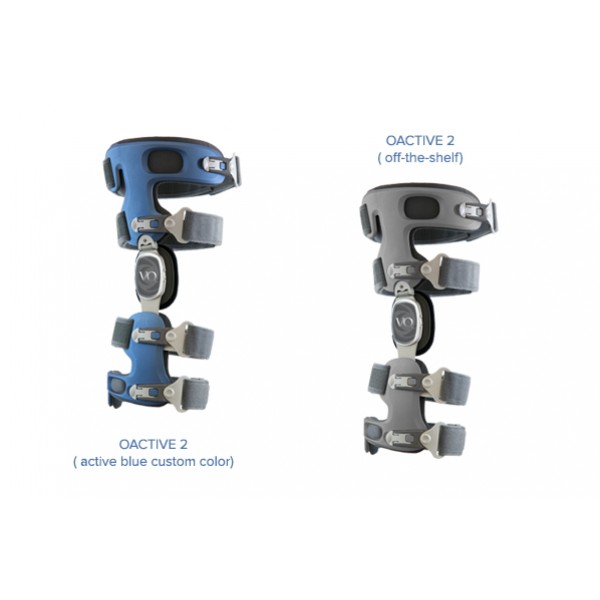
Osteoarthritis (OA) Knee Bracing
Clinically targeted unloader braces engineered to reduce compartment pressure, relieve chronic OA knee pain, and postpone total knee arthroplasty.
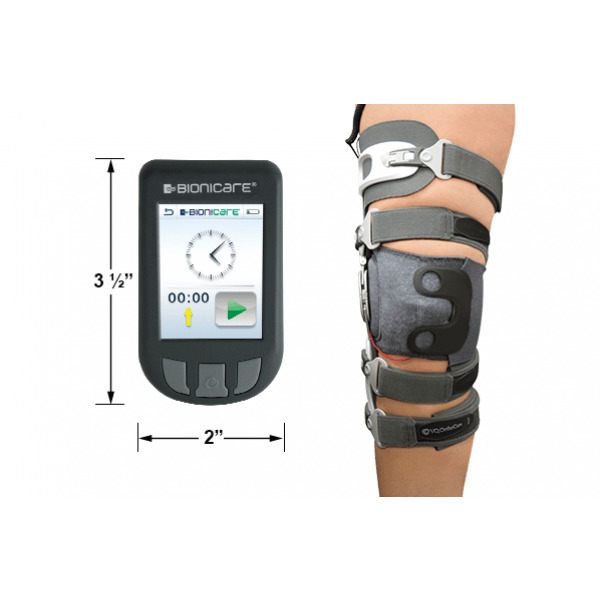
Bionicare System Bioelectric Therapy
Patented bioelectric signal stimulation system designed to treat joint pain and slow cartilage deterioration at the cellular level.
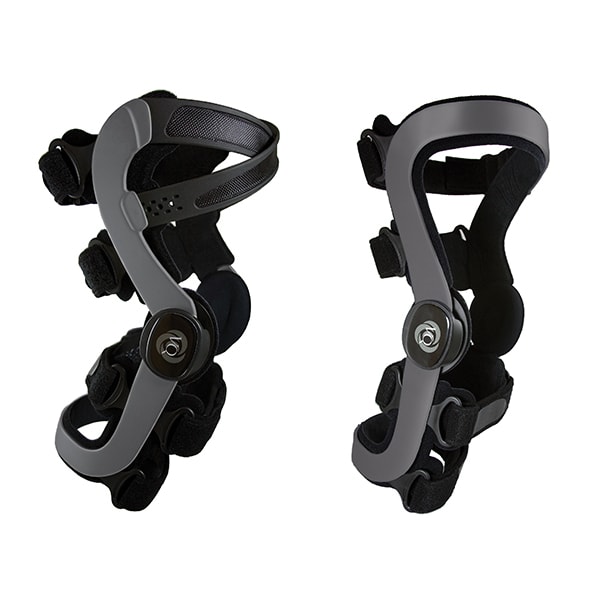
Ligament Knee Bracing Systems
Rigid aluminum-frame functional bracing providing anterior-posterior and lateral stability for ACL, PCL, and MCL tears and post-op recovery.
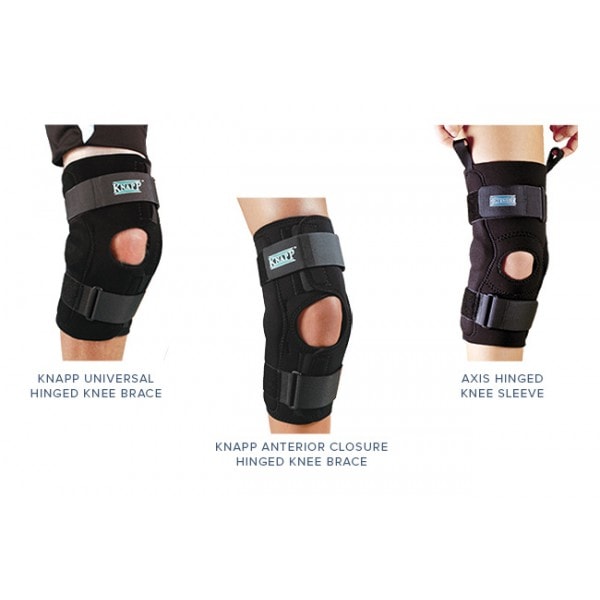
Soft & Hinged Knee Supports
Breathable neoprene and elastomeric compression braces with dual polycentric hinges for mild-to-moderate instability and patellar tracking.
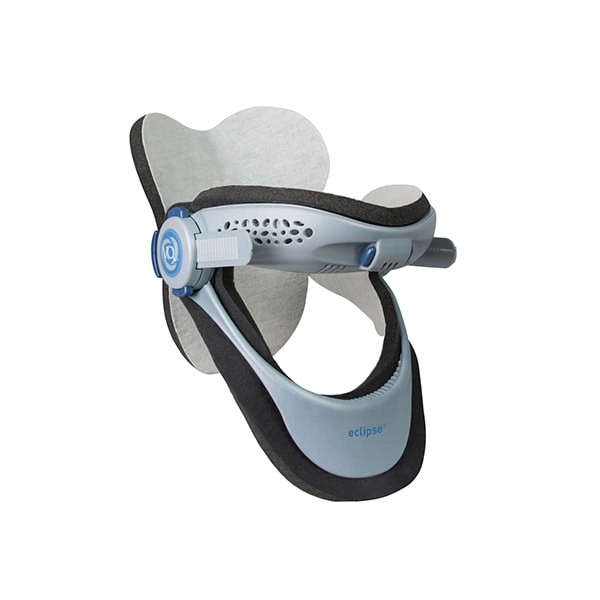
Spinal Bracing & Lumbar Support
Advanced LSO and TLSO spinal orthoses featuring pully-compression technology for acute back pain, disc herniation, and spinal fusion support.
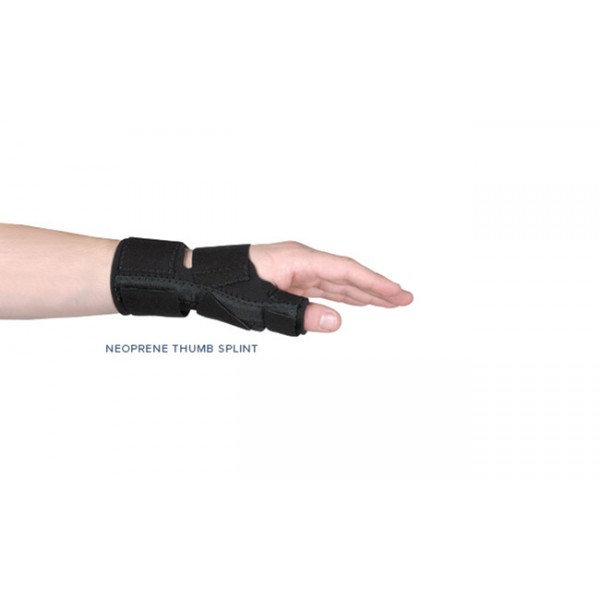
Upper Extremity Orthoses
Precision immobilizers for carpal tunnel syndrome, de Quervain's tenosynovitis, epicondylitis, and shoulder sling stabilization.
4. Core Ancillary Revenue Program 2: Bone Growth Stimulation & Electrotherapy
Non-invasive bone growth stimulation and neuromuscular electrotherapy present advanced clinical modalities for orthopedic surgeons, podiatrists, and pain specialists managing complex non-union fractures, spinal fusions, and recalcitrant soft-tissue injuries.
Electrical Stimulation Modalities & Therapeutic Range
By prescribing electrotherapeutic devices directly through an in-office program, practices ensure immediate patient initiation, higher compliance rates, and significant clinical value gain.
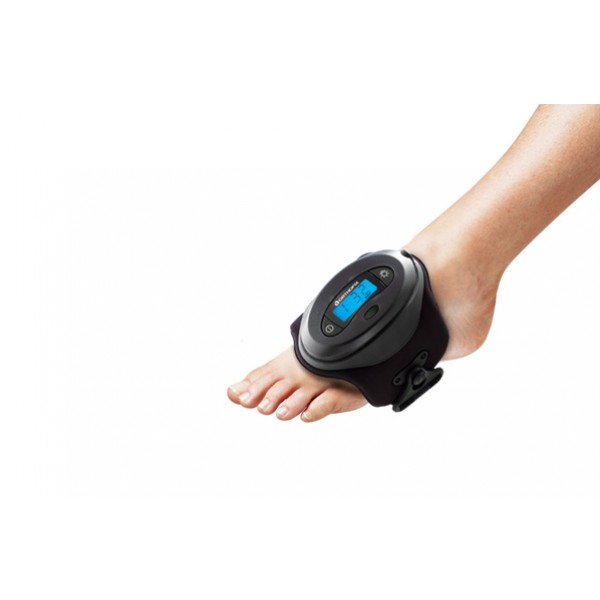
Bone Growth Stimulation
Pulsed Electromagnetic Field (PEMF) non-invasive devices engineered to trigger osteogenesis in non-union fractures and high-risk spinal fusions.
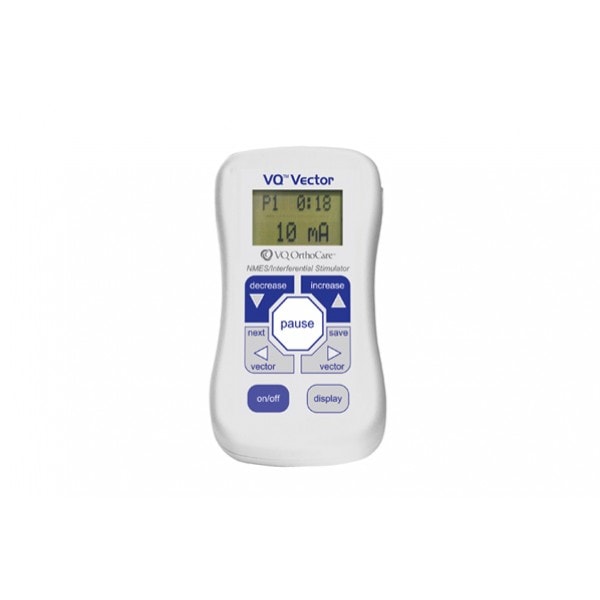
Electrotherapy & NMES Systems
Combination Transcutaneous Electrical Nerve Stimulation (TENS) and Neuromuscular Electrical Stimulation (NMES) units for opioid-free pain relief.

Lower Extremity & Foot/Ankle Orthoses
Plantar stretching orthoses, night splints, and CAM walkers designed for Achilles tendonitis, severe plantar fasciitis, and post-traumatic recovery.
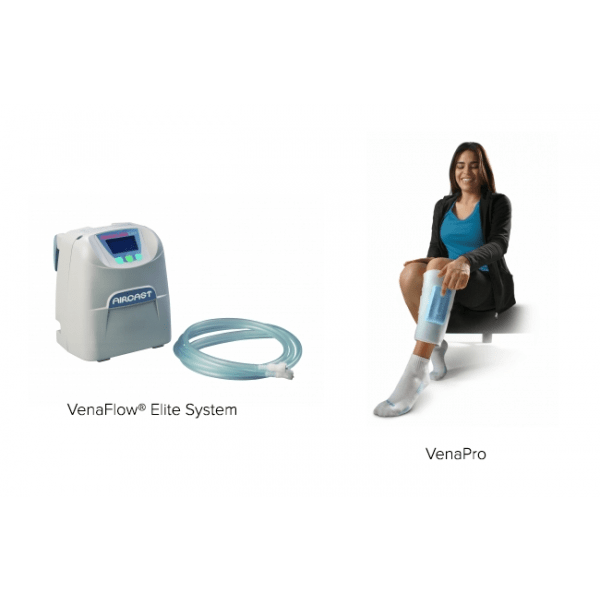
Pneumatic Compression & DVT Prevention
Portable pneumatic compression therapy devices engineered for home post-operative deep vein thrombosis (DVT) prophylaxis.
5. Core Ancillary Revenue Program 3: Toxicology & In-Office Medication Monitoring
For pain management specialists, primary care clinics, and orthopedic practices prescribing controlled substances, routine medication monitoring is a clinical necessity for patient safety, risk management, and regulatory compliance. Establishing a structured toxicology program provides crucial objective data regarding treatment adherence while generating substantial practice revenue.

Key Components of a Compliant Toxicology Program
- In-Office Qualitative Screening: Rapid point-of-care urine or oral fluid cups collected directly in your office during routine follow-up visits.
- Quantitative LC-MS/MS Confirmation: High-complexity liquid chromatography-tandem mass spectrometry (LC-MS/MS) confirmation through our reference laboratory network to detect specific metabolites, synthetic opioids, and non-prescribed substances.
- Rapid Turnaround & EMR Integration: Next-day digital reporting seamlessly uploaded to your Electronic Medical Records (EMR) to substantiate medical necessity and opioid compliance.
- Enhanced Patient Risk Mitigation: Prevents drug diversion, accidental overdose, and liability exposure while fulfilling state prescription monitoring guidelines.
6. Accreditation & Credentialing Services: Overcoming Barriers to Entry
Many medical practice leaders recognize the immense potential of ancillary revenue but hesitate due to the complex regulatory process of obtaining DMEPOS accreditation, state licensure, and Medicare/PPO billing provider numbers. Without proper credentialing, practices cannot bill third-party payors directly for DME devices.

Turnkey Accreditation Support by MOX Medical Technology Co., Ltd.
As part of our commitment to physician practice growth, MOX Medical Technology Co., Ltd. offers turnkey accreditation and credentialing consultancy. Our specialized regulatory team manages every phase of the process:
- CMS & DME Accreditation Guidance: Navigating national accrediting organizations (such as BOC, HQAA, or ACHC) to achieve full DMEPOS accreditation.
- Medicare DME Number Procurement: Completing CMS-855S applications to secure active billing privileges without administrative rejections.
- Commercial PPO & Managed Care Enrollment: Contracting with private commercial insurance carriers and Medicaid managed care networks to ensure broad payor coverage.
- Government Contract Procurement Support: Assisting practices in qualifying for federal and state healthcare service delivery contracts.
- Compliance Policy Manual Formulation: Providing customized standard operating procedure (SOP) manuals covering intake, fitting, sanitation, and billing protocols required during unannounced site inspections.
7. Enterprise Differentiators: The MOX Medical Patient-Centered Model
What sets MOX Medical Technology Co., Ltd. apart from standard device distributors is our total operational support infrastructure. Over 20 years of ancillary healthcare expertise have taught us that clinical outcomes and practice profitability depend entirely on execution.

Why Top Practices Partner with MOX Medical Technology Co., Ltd.
1. In-Home Delivery, Custom Fitting & Postoperative Monitoring
We do not simply drop off boxes at your clinic. Certified orthopedic technicians from MOX Medical provide personalized in-home delivery, precision fitting, patient education, and continuous post-operative monitoring. This eliminates staff workload and ensures optimal device application.
2. 24/7 Telephone Patient Support
Our clinical patient support team is available 24 hours a day, 7 days a week, 365 days a year to answer patient questions regarding brace adjustment, skin care, electrotherapy unit operation, or battery replacements. This high-touch care yields one of the highest patient satisfaction ratings in the healthcare industry.
3. Dedicated Payor Relations & Prior Authorization Team
Navigating commercial payor prior authorizations, verification of benefits (VOB), and billing modifier requirements is handled by our expert payor relations team. We streamline billing cycles, minimize claim rejections, and protect practice revenues.
8. Regulatory Compliance, Stark Law & Billing Best Practices
Long-term success in physician ancillary revenue programs requires strict, uncompromising adherence to federal and state healthcare regulations. Practice leaders must ensure that their programs strictly comply with the following statutory frameworks:
"Compliance is not merely a legal requirement; it is the fundamental pillar of clinical integrity and enterprise valuation in modern healthcare."
Stark Law In-Office Ancillary Services Exception (IOASE)
Under 42 U.S.C. 1395nn, physicians are prohibited from referring Medicare patients for Designated Health Services (DHS) to an entity with which the physician has a financial relationship, unless an exception applies. The In-Office Ancillary Services Exception explicitly allows practices to furnish DME, electrotherapy, and diagnostic testing if:
- Personal Supervision: Services are furnished personally by the prescribing physician, a partner in the group, or an employee under direct supervision.
- Same Building Requirement: Services are delivered in the same physical building where the practice provides routine medical consultations.
- Centralized Billing: Billing is executed through the practice's centralized billing tax ID (TIN), not a split third-party shell.
Anti-Kickback Statute (AKS) Guardrails
Practices must never accept free inventory, volume-based rebates, or financial compensation from device manufacturers intended to induce prescriptions. MOX Medical Technology Co., Ltd. structures all partnership frameworks on transparent, compliant, fee-for-service or direct-purchase models that fully satisfy federal AKS safe harbors.
9. Financial Impact Modeling & Clinical Case Benchmark
To demonstrate the economic viability of an integrated ancillary revenue program, consider a baseline financial model for a 4-physician orthopedic and pain management group treating 600 musculoskeletal patients per month:
| Ancillary Program Category | Monthly Patient Volume | Avg. Net Margin per Unit | Est. Annual Net Revenue |
|---|---|---|---|
| OA & Functional Knee Bracing | 25 Patients | $350 - $650 | $150,000 |
| Spinal Orthosis (LSO/TLSO) | 20 Patients | $400 - $800 | $144,000 |
| Electrotherapy & Bone Growth Stim | 15 Patients | $500 - $1,200 | $153,000 |
| Toxicology Medication Monitoring | 40 Patients | $150 - $300 | $108,000 |
| TOTAL ANCILLARY PROGRAM RETURN | 100 Patients / mo | Blended ROI | $555,000 / Year |
10. Frequently Asked Questions (FAQ) for Healthcare Executives
11. Strategic Conclusion & Next Steps for Practice Leadership
The economic future of independent healthcare belongs to practices that proactively diversify their revenue streams through high-margin, clinically non-invasive ancillary solutions. By partnering with MOX Medical Technology Co., Ltd., your practice gains access to top-tier orthopedic bracing, cutting-edge bone growth stimulation, precise toxicology monitoring, and turnkey accreditation support—all backed by 20+ years of proven ancillary excellence.
Transform your practice profitability while elevating patient care standards today.