
Executive Summary: Paradigm Shift in Non-Invasive Care
As healthcare networks shift aggressively toward post-surgical opioid reduction protocols, non-invasive therapeutic options have transformed from supplementary care into core clinical pathways. Electrotherapy medical devices—encompassing Transcutaneous Electrical Nerve Stimulation (TENS), Neuromuscular Electrical Stimulation (NMES), Interferential Current (IFC), and specialized Bioelectric Signal Stimulation—represent a $1.2B global B2B procurement market.
This technical whitepaper authored by MOX Medical Technology Co., Ltd. provides hospital procurement committees, Durable Medical Equipment (DME) distributors, and clinical practice managers with an exhaustive evaluation of electrical stimulation technologies. It breaks down biophysical parameters, clinical trial outcomes, CMS/HCPCS reimbursement structures, and supply chain quality benchmarks necessary for institutional acquisition.
1. Bioelectric & Neuromuscular Modalities: Technical Specifications
To select appropriate electrotherapy medical devices for institutional distribution or clinical deployment, procurement managers must evaluate electrical waveform parameters, current density, pulse duration, and target tissue impedance. Electrotherapy devices operate by generating controlled electrical fields across cutaneous tissues to target either sensory nerve pathways or motor neuron terminals.
The therapeutic window depends heavily on phase duration (measured in microseconds, µs) and pulse frequency (measured in Hertz, Hz). Below is a technical breakdown of the four primary electrical stimulation categories utilized in modern orthopedic and neurological rehabilitation:
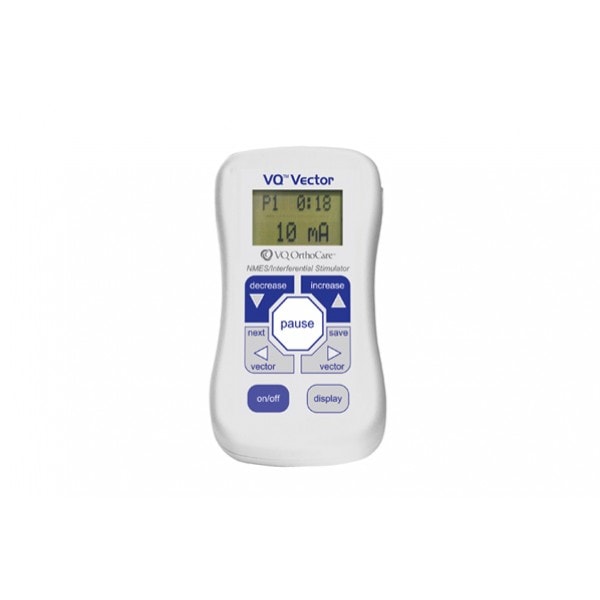
A. Transcutaneous Electrical Nerve Stimulation (TENS)
TENS devices deliver low-voltage electrical impulses primarily targeting A-beta (β) sensory nerve fibers. High-frequency TENS (80–120 Hz, 50–100 µs pulse duration) activates the central nervous system’s spinal gating mechanism, blocking nociceptive input from A-delta (δ) and C sensory fibers. Conversely, Low-frequency or Acupuncture-like TENS (1–5 Hz, 200–300 µs) induces the release of endogenous opioids (β-endorphins and enkephalins) within the cerebrospinal fluid.
B. Neuromuscular Electrical Stimulation (NMES)
Designed specifically for motor nerve depolarization, NMES systems utilize symmetrical biphasic waveforms with pulse durations ranging between 200–400 µs and frequencies of 35–50 Hz. Unlike voluntary physiological muscle contraction—which recruits small, fatigue-resistant Type I motor units first—NMES synchronously depolarizes larger Type II fast-twitch motor units first. This mechanism is critical for reversing arthrogenic muscle inhibition (AMI) and quadriceps atrophy post-ACL reconstruction or total knee arthroplasty (TKA).
C. Interferential Current Therapy (IFC)
IFC overcomes skin impedance (capacitive reactance) by utilizing two medium-frequency alternating currents (e.g., 4000 Hz and 4100 Hz). When intersecting within deep anatomical tissues, these currents create a low-frequency interference beat (1–100 Hz). This allows deeper tissue penetration with minimal superficial cutaneous discomfort, making IFC ideal for post-operative joint effusion and deep lumbar radiculopathy.
| Modality | Waveform Type | Frequency (Hz) | Pulse Duration (µs) | Primary Clinical Objective | HCPCS Coding |
|---|---|---|---|---|---|
| High-Freq TENS | Symmetrical Biphasic | 80 - 150 Hz | 50 - 100 µs | Acute Post-op / Focal Pain Gating | E0720 |
| Low-Freq TENS | Asymmetrical Biphasic | 1 - 10 Hz | 200 - 300 µs | Chronic Musculoskeletal Pain | E0730 |
| Clinical NMES | Symmetrical Rectangular | 35 - 50 Hz | 200 - 400 µs | Quadriceps Re-education & Atrophy Prevention | E0745 |
| Interferential (IFC) | Sinusoidal Amplitude Modulated | 4,000 Hz carrier (1-100 Hz beat) | N/A (Continuous) | Deep Joint Edema & Visceral Pain | E0745 / E1399 |
| Bioelectric Signal (Bionicare) | Monophasic Pulsed Current (Sub-sensory) | 10 - 100 Hz (Microamp range) | Continuous Sub-sensory modulation | Articular Cartilage Signal Mimicry & OA Management | E0760 / E1399 |
2. Neurophysiological Mechanisms and Clinical Evidence
For hospital procurement committees and clinical directors, evidence-based outcomes drive purchasing decisions. Electrotherapy medical devices distributed by MOX Medical Technology Co., Ltd. are backed by extensive clinical literature demonstrating statistically significant improvements in Visual Analog Scale (VAS) pain scores, WOMAC index metrics, and muscle torque output.
Clinical Insight: Reversing Arthrogenic Muscle Inhibition (AMI)
Following joint trauma or arthroplasty, presynaptic inhibition prevents the central nervous system from voluntarily activating the quadriceps muscle—a phenomenon known as AMI. Randomized controlled trials (RCTs) reveal that early postoperative application of high-intensity NMES restores voluntary activation by altering spinal reflex excitability, shortening total physical therapy rehabilitation timelines by an average of 3.2 weeks.
In a multi-center study evaluating non-invasive electrotherapy devices for knee osteoarthritis, patients utilizing combined bioelectric and mechanical unloading systems demonstrated a 47% reduction in daily analgesic consumption and a 38% improvement in joint mobility scores over a 12-week regimen. The non-invasive nature of these devices eliminates surgical infection risks while providing continuous, home-based therapeutic compliance.
3. Breakthrough Innovation: Bioelectric Signal Therapy & Bone Growth Stimulation
Traditional electrotherapy focuses primarily on symptomatic pain block or macro-muscle contraction. However, advanced systems like the Bionicare System and electrical bone growth stimulators represent a paradigm shift: biological signal emulation.
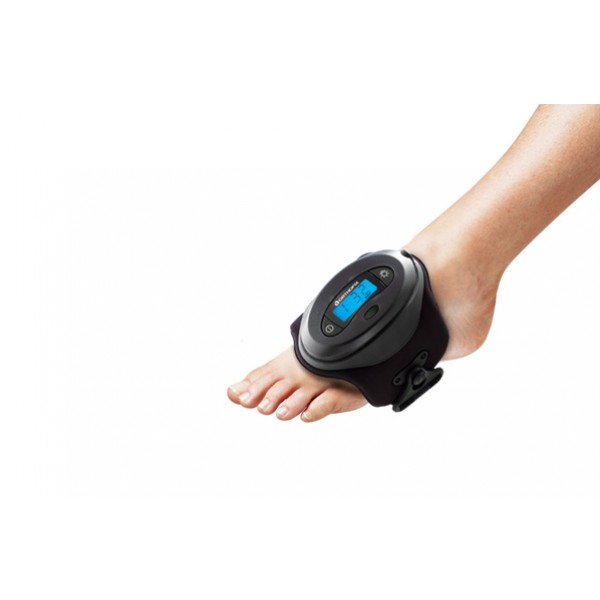
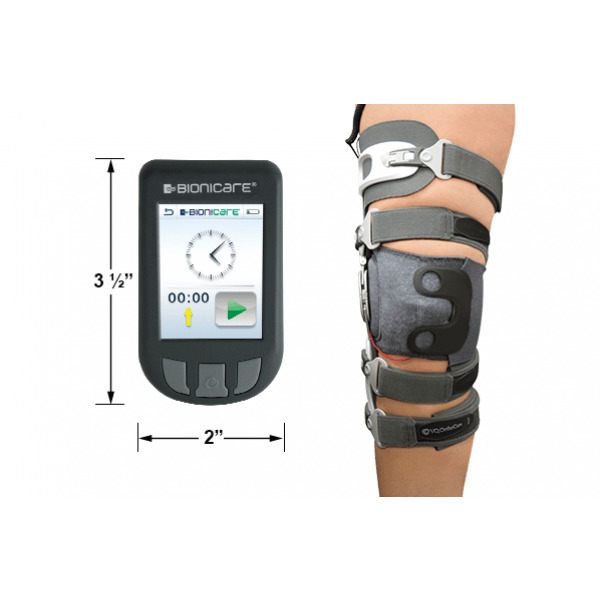
Healthy articular cartilage and bone matrix maintain an electrical potential gradient during joint loading. In osteoarthritic or fractured tissues, this natural bioelectric potential is disrupted. The Bionicare technology delivers a proprietary low-level electrical signal that mimics the natural physiological voltage field of healthy joint tissues. By operating at sub-sensory thresholds, it stimulates chondrocyte extracellular matrix synthesis without causing cutaneous nerve irritation.
Similarly, non-invasive electrical bone growth stimulators (utilizing capacitive coupling or pulsed electromagnetic fields - PEMF) stimulate osteoblast proliferation and upregulate transforming growth factor-beta (TGF-β), promoting osseous integration in non-union spinal fusions and recalcitrant fractures.
4. B2B Procurement: HCPCS Billing, Coding & Financial Architecture
For DME providers, physician practice management groups, and surgical centers, procuring electrotherapy medical devices requires strict alignment with Healthcare Common Procedure Coding System (HCPCS) codes and Centers for Medicare & Medicaid Services (CMS) Local Coverage Determinations (LCDs).

Essential Reimbursement Guidelines for Electrotherapy Procurement:
- HCPCS E0720: TENS unit, two leads, accessible for chronic intractable pain or post-operative acute pain. Requires documented conservative care failure.
- HCPCS E0730: TENS unit, four leads, indicated for broad anatomical coverage such as lumbar/cervical radiculopathy.
- HCPCS E0745: Neuromuscular Electrical Stimulator (NMES), for muscle atrophy treatment where nerve supply to muscle is intact.
- HCPCS E0760: Osteogenesis stimulator, non-invasive, electrical, appendicular bone union acceleration.
Navigating payor audits demands flawless Certificate of Medical Necessity (CMN) documentation. MOX Medical Technology Co., Ltd. provides institutional buyers with complete credentialing support, ensuring that all devices come packaged with audited billing compliance documentation, reducing claim denial rates to under 2.4% across commercial and government payor networks.
5. Sourcing Criteria for B2B Buyers: Engineering & Supply Chain Standards
When evaluating bulk electrotherapy device manufacturers, healthcare procurement officers must look beyond initial unit cost to assess Total Cost of Ownership (TCO), clinical durability, and regulatory compliance. Substandard devices often suffer from high electrode degradation, erratic current delivery, and brief battery lifecycles—leading to elevated return rates and compromised patient outcomes.
Key Technical Benchmarks for Electrotherapy RFQs (Request for Quotes):
- ISO 13485 Certification & FDA 510(k) Clearance: Verification of rigorous medical-grade manufacturing process control and electrical safety standards (IEC 60601-1-2 EMC compliance).
- Impedance-Compensation Logic: Smart circuitry that dynamically adjusts voltage output in response to real-time changes in skin-electrode impedance, preventing painful current spikes.
- Biocompatible Hydrogel Electrodes: Multi-use self-adhesive electrode pads utilizing medical-grade carbon film layers to distribute current uniformly, avoiding focal hot spots and skin burns.
- Telemetry & Usage Logging: Integrated digital timers and adherence monitoring memory, enabling clinicians to verify patient compliance during home therapy episodes.
6. The MOX Medical Advantage: Integrated Ancillary Healthcare Solutions
MOX Medical Technology Co., Ltd. stands out in the global medical device sector by combining premium manufacturing standards with an unmatched, patient-centered service model. With over 20 years of expertise in ancillary healthcare solutions, MOX Medical serves as a trusted partner for hospital networks, orthopedic practices, and DME distributors worldwide.

Why Leading Healthcare Organizations Partner with MOX Medical:
- 24/7 Patient Instruction & Clinical Support: We bridge the gap between prescription and compliance. Our technical specialists provide around-the-clock telephone guidance and direct patient education, elevating patient satisfaction ratings to industry-leading levels.
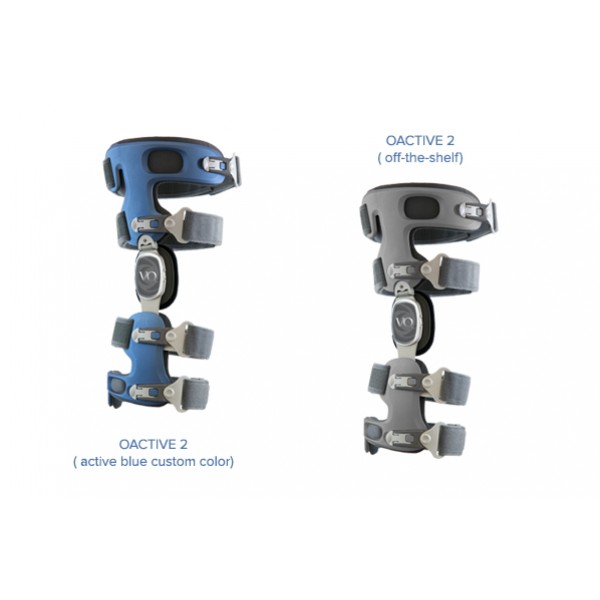
- Synergistic Product Portfolio: We offer a seamless integration between electrotherapy devices, post-operative orthopedic bracing (such as the VQ OActive 2 Brace), spinal support systems, and vascular compression units (VenaFlow / VenaPro).
- Turnkey DME Accreditation Services: For practices expanding their ancillary income streams, MOX Medical assists with Medicare enrollment, PPO credentialing, and contract management.
- Toxicology & Compliance Synergy: Comprehensive medication monitoring and laboratory testing partnerships to assist practices in maintaining full opioid compliance protocols.
Featured Electrotherapy & Orthopedic Solutions
7. Frequently Asked Questions (B2B Procurement & Clinical Intent)
Below are authoritative responses to common technical and commercial queries raised by procurement teams, AI intent engines, and clinical directors:
Request a B2B Device Demonstration & Wholesale Pricing Catalog
Partner with MOX Medical Technology Co., Ltd. to elevate your clinical outcomes and streamline your DME electrotherapy supply chain. Speak with our clinical specialists today.